
Is $1 Million Really Enough to Retire Comfortably?
For decades, reaching a $1 million retirement nest egg felt like crossing a finish line. It was the magic number, the symbol of financial security, the milestone that meant you had made it. But in today's economic environment, that number tells only part of the story — and for many retirees, it may not be nearly enough.
According to Northwestern Mutual's 2026 Planning and Progress Study, Americans now estimate they need approximately $1.46 million to retire comfortably. That's nearly half a million dollars more than the traditional benchmark. At the same time, 48% of survey respondents say they worry about outliving their savings — a fear that becomes far more grounded in reality once you start running the numbers on everyday retirement expenses.
What's eating into these retirement projections? For millions of Americans, the answer is hiding in plain sight: the cost of owning a home.
How the 4% Rule Exposes the Limits of a $1 Million Nest Egg
Many financial advisors rely on the 4% rule as a foundational guideline for retirement income planning. The rule suggests that you can withdraw 4% of your total retirement savings each year — adjusted for inflation — without substantially increasing your risk of depleting your funds over a 30-year retirement.
On paper, that sounds reasonable. On a $1 million nest egg, a 4% annual withdrawal translates to roughly $40,000 per year, or about $3,333 per month before taxes.
But consider what certified financial planner Linda Grizely has to say: "A million dollars can sound like a lot, but retirement success is less about the account balance and more about how much income the portfolio needs to produce." She notes that for many retirees, $40,000 per year simply isn't enough to support the retirement they envisioned — especially when major ongoing expenses like mortgages, rising property taxes, homeowners insurance premiums, and healthcare costs are factored in.
In other words, the 4% rule is a starting point, not a guarantee. And if your housing expenses are substantial, it can unravel quickly.
The Hidden Retirement Risk Sitting Inside Your Home
Homeownership is often framed as a wealth-building tool — and in many cases, it is. But as a retirement expense, it can be a significant financial burden that quietly chips away at even the most carefully planned nest eggs.
Here are some of the key ways home-related costs can threaten your retirement security:
- Mortgage payments: Retirees who still carry a mortgage face one of their largest fixed monthly expenses during their non-working years. Even a relatively modest mortgage payment of $1,200 to $1,800 per month can consume a large share of the $3,333 monthly income that a $1 million nest egg generates under the 4% rule.
- Property taxes: Depending on where you live, property taxes can be steep — and they tend to rise over time. In high-cost states, annual property tax bills in the thousands of dollars are common, even for homeowners who have paid off their mortgages.
- Homeowners insurance premiums: Insurance costs have surged in recent years, particularly in regions prone to extreme weather events. Premiums that were manageable a decade ago may have doubled or even tripled, creating unexpected strain on fixed retirement budgets.
- Maintenance and repairs: Older homes require more upkeep. Roof replacements, HVAC systems, plumbing repairs, and other major projects can cost tens of thousands of dollars — expenses that have no place in a rigid withdrawal plan built on the 4% rule.
- HOA fees: For retirees living in communities governed by homeowners associations, monthly HOA fees can add hundreds of dollars to the monthly cost of homeownership, with the potential for special assessments that arrive without warning.
Social Security Helps, But It Isn't a Safety Net on Its Own
Social Security benefits provide an important income stream for most retirees, but the average monthly benefit for retired workers is modest. When combined with a $40,000 annual withdrawal from a $1 million portfolio, total income may still fall short of covering both living expenses and significant home-related costs — particularly in higher cost-of-living areas.
This gap is where many retirees find themselves in trouble. They assumed their savings were sufficient without fully accounting for the total cost of maintaining and insuring a home through potentially 25 to 30 years of retirement.
Strategies to Protect Your Retirement Nest Egg From Housing Costs
The good news is that housing costs in retirement are not a fixed destiny. With thoughtful planning, you can reduce their impact on your financial security.
- Pay off your mortgage before retiring if possible. Eliminating your largest fixed housing expense before leaving the workforce dramatically reduces the income your portfolio needs to generate each month.
- Consider downsizing. Moving to a smaller, less expensive home can unlock equity, reduce property taxes, lower insurance costs, and cut down on maintenance responsibilities — all at once.
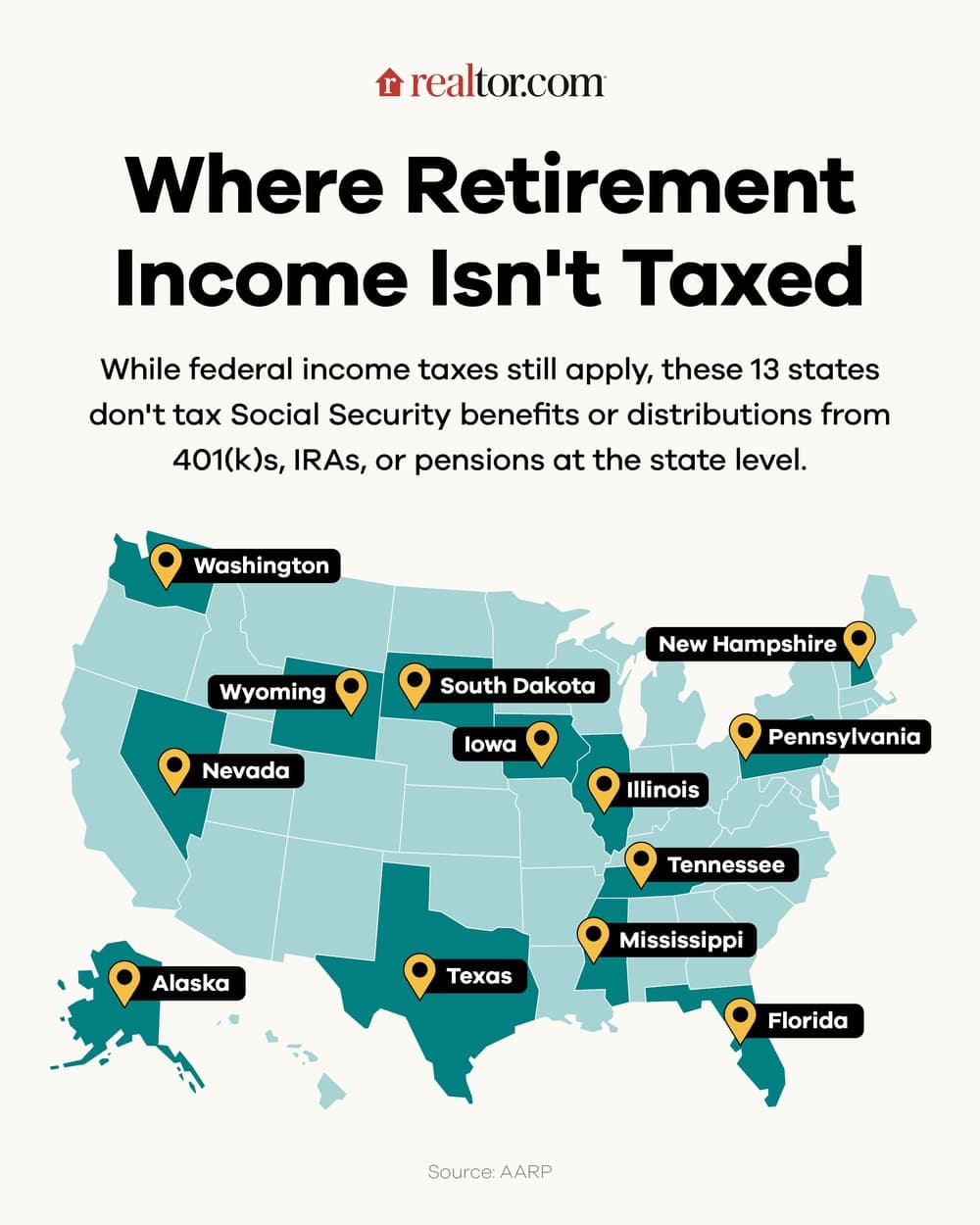
- Relocate strategically. Retiring in a state with lower property taxes, no income tax on retirement distributions, and a lower overall cost of living can meaningfully extend how long your savings last.
- Build a home repair reserve. Setting aside a dedicated fund for home maintenance and unexpected repairs prevents major costs from disrupting your broader withdrawal strategy.
- Revisit your withdrawal rate. Work with a financial planner to stress-test your withdrawal strategy against realistic housing expense projections — not just average spending benchmarks.
The Bottom Line: Your Home Could Be Your Biggest Retirement Variable
Reaching a $1 million nest egg is a genuine achievement, and it absolutely can support a comfortable retirement under the right conditions. But those conditions matter enormously. If your housing costs are high — whether from an ongoing mortgage, rising taxes, expensive insurance, or a home that demands constant upkeep — they can erode your financial cushion faster than almost any other factor.
Retirement planning that ignores the true long-term cost of homeownership is incomplete planning. The more clearly you understand what your home will cost you throughout retirement, the better equipped you'll be to make your nest egg last as long as you need it to.