
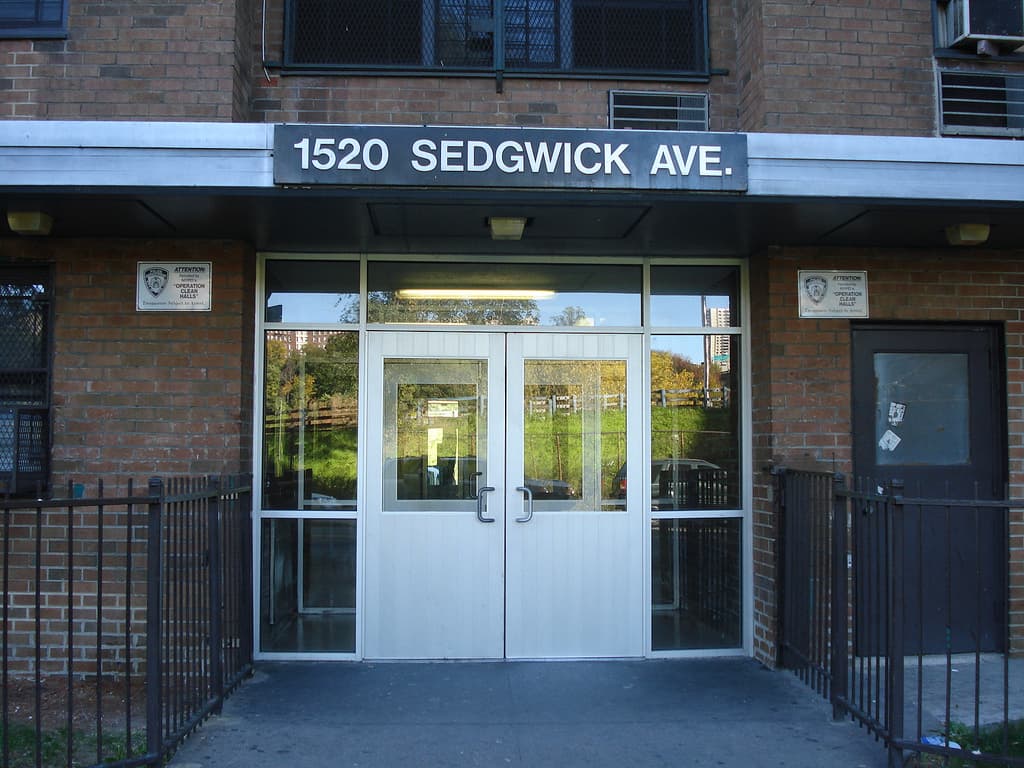
1520 Sedgwick Avenue: The Bronx Address That Changed Music History
When music lovers talk about the origins of hip hop, conversations often jump straight to platinum records, sold-out arenas, and chart-topping artists. But before any of that glory, there was a single apartment building in the Bronx, a borrowed sound system, and one extraordinary night that would alter the course of popular music forever. That building is 1520 Sedgwick Avenue, and its story is one every music fan, history buff, and culture enthusiast needs to know.
Where Is 1520 Sedgwick Avenue?
Located in the Morris Heights neighborhood of the Bronx in New York City, 1520 Sedgwick Avenue is a residential apartment building that, from the outside, may look like countless other mid-century urban housing complexes. But its address carries a weight that few buildings anywhere in the world can claim. This is the precise location where hip hop — one of the most globally dominant and culturally influential music genres in history — was born.
The Bronx of the early 1970s was a neighborhood under enormous social and economic pressure. Poverty, urban decay, and community displacement were everyday realities for many residents. Yet within that environment, something remarkable happened: young people channeled their creativity, frustration, and energy into an entirely new art form. That creative explosion had a starting point, and it happened at 1520 Sedgwick Avenue on the night of August 11, 1973.
DJ Kool Herc: The Godfather of Hip Hop
At the center of the story is Clive Campbell, known to the world as DJ Kool Herc. Born in Jamaica and raised in the Bronx, Herc developed a deep love for music and an innovative approach to playing records that would prove to be revolutionary. He lived in the building at 1520 Sedgwick Avenue, and it was there that he began experimenting with a technique that would define an entire genre.
Herc's signature innovation was manipulating breakbeats — the short, percussive instrumental sections of funk and soul records — by using two copies of the same record on two turntables. By switching between the two records repeatedly, he could extend the break section indefinitely, creating a continuous, danceable loop. This technique, known as the "Merry-Go-Round" or breakbeat DJing, gave dancers more time to showcase their moves and gave the crowd a raw, energetic sound unlike anything they had heard before.
Today, DJ Kool Herc is universally recognized as the godfather of hip hop, and his contribution to music culture cannot be overstated. The ripple effects of what he started in that Bronx apartment building are felt in every corner of the globe.
The Party That Started It All: August 11, 1973
The pivotal moment came when DJ Kool Herc and his sister Cindy Campbell organized a back-to-school party in the recreation room of 1520 Sedgwick Avenue. Admission was charged at the door — 25 cents for ladies and 50 cents for gentlemen — and the funds helped Cindy buy new school clothes for the upcoming year. It was a modest community event with a practical purpose, yet it became the most important house party in music history.
That night, Herc debuted his breakbeat technique to an enthusiastic crowd of Bronx teenagers. The response was electric. The extended breaks gave birth to a new style of dancing that would come to be known as breakdancing, or b-boying and b-girling. The party also featured Herc talking over the music, hyping up the crowd — a practice that would evolve into MCing and eventually rapping as we know it today.
From that single evening, four foundational elements of hip hop culture began to crystallize: DJing, MCing (rapping), breakdancing, and graffiti art. A cultural movement was born.
Hip-Hop Celebration Day: August 11 Goes National
The significance of August 11, 1973 has been recognized far beyond the Bronx. Every year, August 11 is celebrated as Hip-Hop Celebration Day, an annual acknowledgment of the genre's birth and its enormous cultural impact. In a landmark move, the United States Senate officially commemorated the day in 2021, cementing hip hop's place not just in music history, but in American cultural heritage as a whole.
This official recognition reflects just how far hip hop has traveled since that rec room party in Morris Heights. From the streets of the Bronx to the halls of the U.S. Senate, the journey of hip hop is one of the most remarkable cultural ascents in modern history.
The Bronx Hip Hop Legacy: Then and Now
The Bronx has continued to produce hip hop legends decade after decade. Artists like Big Pun, the first Latino rapper to achieve platinum status on a debut album, and Cardi B, a Grammy Award-winning superstar with a global fanbase, both carry the torch of the Bronx hip hop tradition. Yet both of them, and every major rapper who came after, owe a creative debt to what DJ Kool Herc built at 1520 Sedgwick Avenue.
The building itself has taken on the status of a cultural landmark. For hip hop fans, visiting 1520 Sedgwick Avenue is akin to a pilgrimage — a chance to stand at the exact spot where a revolution began. Efforts to preserve and recognize the site have grown over the years, with historians, musicians, and community advocates all working to ensure its story is not forgotten.
Why 1520 Sedgwick Avenue Still Matters Today
In an era when hip hop generates billions of dollars in revenue annually and dominates global streaming charts, it is easy to forget that the genre began with nothing more than two turntables, a borrowed sound system, and a community of young people looking for an outlet. The story of 1520 Sedgwick Avenue is a powerful reminder that world-changing ideas don't always originate in studios, boardrooms, or concert halls. Sometimes they start in a recreation room in the Bronx.
- Hip hop was born at 1520 Sedgwick Avenue in the Bronx on August 11, 1973.
- DJ Kool Herc's breakbeat technique laid the sonic foundation for the entire genre.
- The party that started it all was organized to raise money for back-to-school shopping.
- August 11 is now officially recognized as Hip-Hop Celebration Day in the United States.
- The Bronx continues to produce influential hip hop artists to this day.
Whether you are a lifelong hip hop fan, a student of music history, or simply someone curious about how culture gets made, 1520 Sedgwick Avenue deserves a place at the top of your list. It is not just a building. It is the address where a generation found its voice — and that voice has never stopped speaking.