
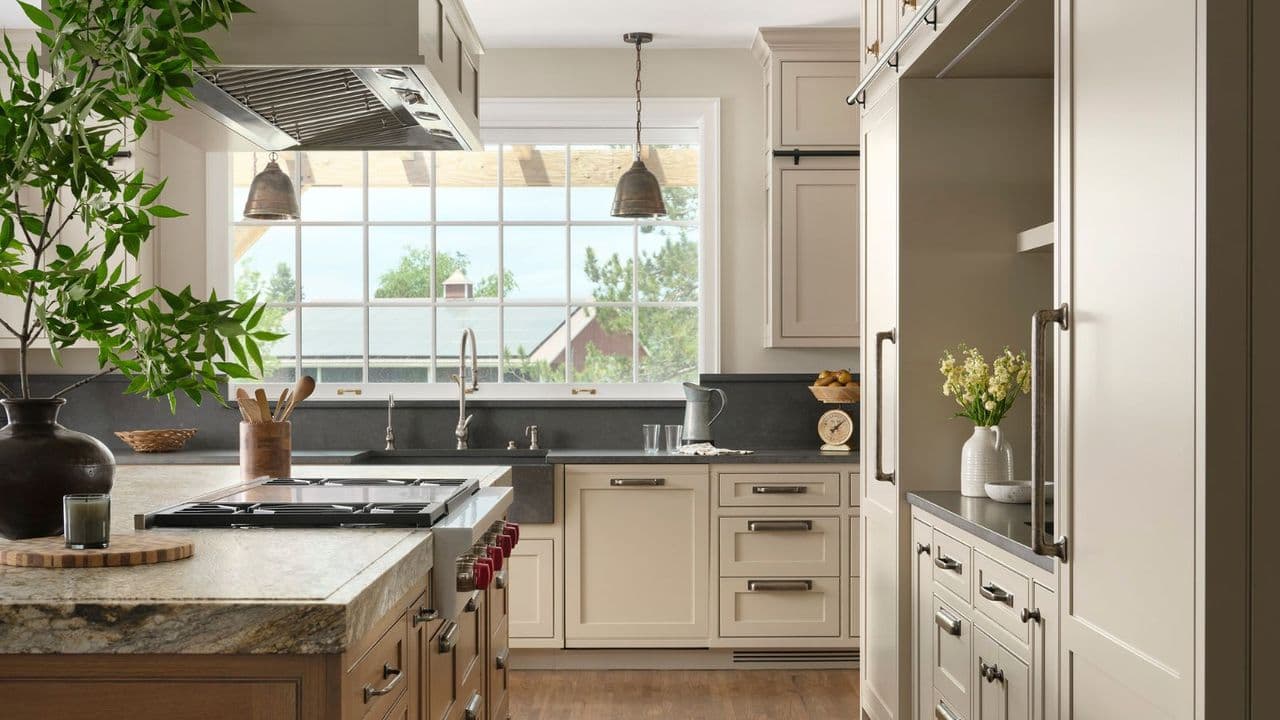
Kitchen Countertop Trends 2026: What's Fading and What's Taking Over
Your kitchen countertop is one of the most visible and hardworking surfaces in your home. It sets the tone for the entire space, influences resale value, and quietly signals whether your kitchen feels current or dated. As we move deeper into 2026, designers and homeowners alike are walking away from certain looks that dominated the past decade — and embracing a whole new wave of colors, textures, and materials that feel more grounded, expressive, and livable. If you're planning a kitchen renovation or simply want to stay ahead of the curve, here's what you need to know about the countertop trends that are on their way out and the exciting alternatives replacing them.
1. All-White Quartz Is Losing Its Grip
For years, bright white quartz countertops were the undisputed king of kitchen design. Their clean, crisp look felt fresh, modern, and universally appealing. But in 2026, that era is winding down. Designers report that clients are moving away from sterile, all-white surfaces because they can feel cold and impersonal — and they show every smudge and stain.
What's replacing it: Warm-toned quartz and engineered stone in creamy ivory, soft greige, and warm taupe are stepping in. These shades offer the same durability and low maintenance as white quartz while adding warmth and a more organic, welcoming feel to the kitchen.
2. Heavily Veined Marble Looks Are Overdone
The bold, dramatic veining of Calacatta and Carrara marble — or the quartz versions mimicking them — flooded kitchen design throughout the 2010s and early 2020s. While genuine marble remains timeless in classic settings, the mass-market, high-contrast veined look has become oversaturated.
What's replacing it: Subtle, tonal stone patterns are gaining ground. Think quiet, cloud-like movement in the stone rather than bold, graphic veining. Sintered stone surfaces like Dekton and Neolith, which offer understated texture and exceptional durability, are particularly popular with designers seeking a more sophisticated, restrained aesthetic.
3. Jet Black Granite Is Stepping Aside
Absolute black granite had a long run as a bold statement choice, especially in contemporary kitchens. However, its high-gloss finish shows water spots, fingerprints, and dust relentlessly — and its stark look feels increasingly heavy next to today's warmer, more layered interiors.
What's replacing it: Deep, matte-finish surfaces in charcoal, slate, and soft black are the sophisticated successors. Leathered or honed finishes on darker stones and engineered surfaces give depth without the glare, and pair beautifully with natural wood accents and warm metal hardware.
4. Gray Laminate Countertops Are Fading Fast
Budget-friendly gray laminate countertops surged in popularity as part of the broader gray-everything trend that swept interior design. But as gray interiors lose momentum, so do gray laminate surfaces. They can look cheap and lifeless, especially as homeowners move toward more textural, nature-inspired kitchens.
What's replacing it: Modern laminate itself is not disappearing — the technology has improved dramatically. What's replacing the flat gray look are laminate surfaces with realistic wood grain, concrete, or stone textures. These updated laminates offer a rich, layered appearance at an accessible price point, making them a smart choice for budget-conscious renovators.
5. Cool-Toned Blue-Gray Countertops Are Cooling Off
Blue-gray countertops were a favorite of minimalist design enthusiasts for several years, lending kitchens a Scandinavian-inspired serenity. While that aesthetic still has devoted fans, the cool, almost clinical palette is giving way to warmer, earthier tones as people crave more comfort and personality in their homes.
What's replacing it: Warm greens, terracotta-adjacent browns, and dusty olive tones are becoming the go-to choices for homeowners who want a countertop with character. These earth-toned surfaces pair naturally with wood cabinetry, brass fixtures, and linen textiles for a kitchen that feels gathered and lived-in rather than designed to be photographed.
6. Super High-Gloss Finishes Are Losing Favor
Polished to a mirror shine, high-gloss countertops once signaled luxury and precision. Today, that level of sheen feels fussy and dated compared to the more tactile, matte-forward aesthetic that's emerging across all areas of interior design.
What's replacing it: Honed, leathered, and brushed finishes are having a major moment. These textures are not only more forgiving of daily wear, but they also add a sensory richness to the kitchen that polished surfaces simply cannot match. Leathered quartzite and honed marble are particularly sought-after for their luxurious yet relaxed character.
7. Pure White Marble in High-Traffic Kitchens Is Being Reconsidered
Genuine white marble is undeniably beautiful, but its reputation for etching, staining, and requiring frequent sealing has finally caught up with it in high-traffic family kitchens. Homeowners are increasingly pragmatic about the realities of maintaining a porous natural stone surface.
What's replacing it: Porcelain slabs that closely replicate the look of natural stone are winning over practical homeowners. Advances in large-format porcelain printing have made these surfaces nearly indistinguishable from genuine marble, while being completely non-porous, scratch-resistant, and easy to clean — a genuine upgrade for busy kitchens.
The Bottom Line: Warmth, Texture, and Practicality Rule 2026
The clearest theme running through every countertop shift in 2026 is a move away from cold perfection and toward warmth, texture, and honest livability. Homeowners no longer want kitchens that look untouched — they want surfaces that invite cooking, gathering, and real daily life without demanding constant upkeep or sacrificing style. Whether you're drawn to the quiet elegance of sintered stone, the earthy depth of leathered quartzite, or the smart practicality of large-format porcelain, 2026 offers a rich palette of countertop options that are as beautiful as they are functional. The best choice is always the one that fits your lifestyle, your aesthetic, and the specific character of your home.