
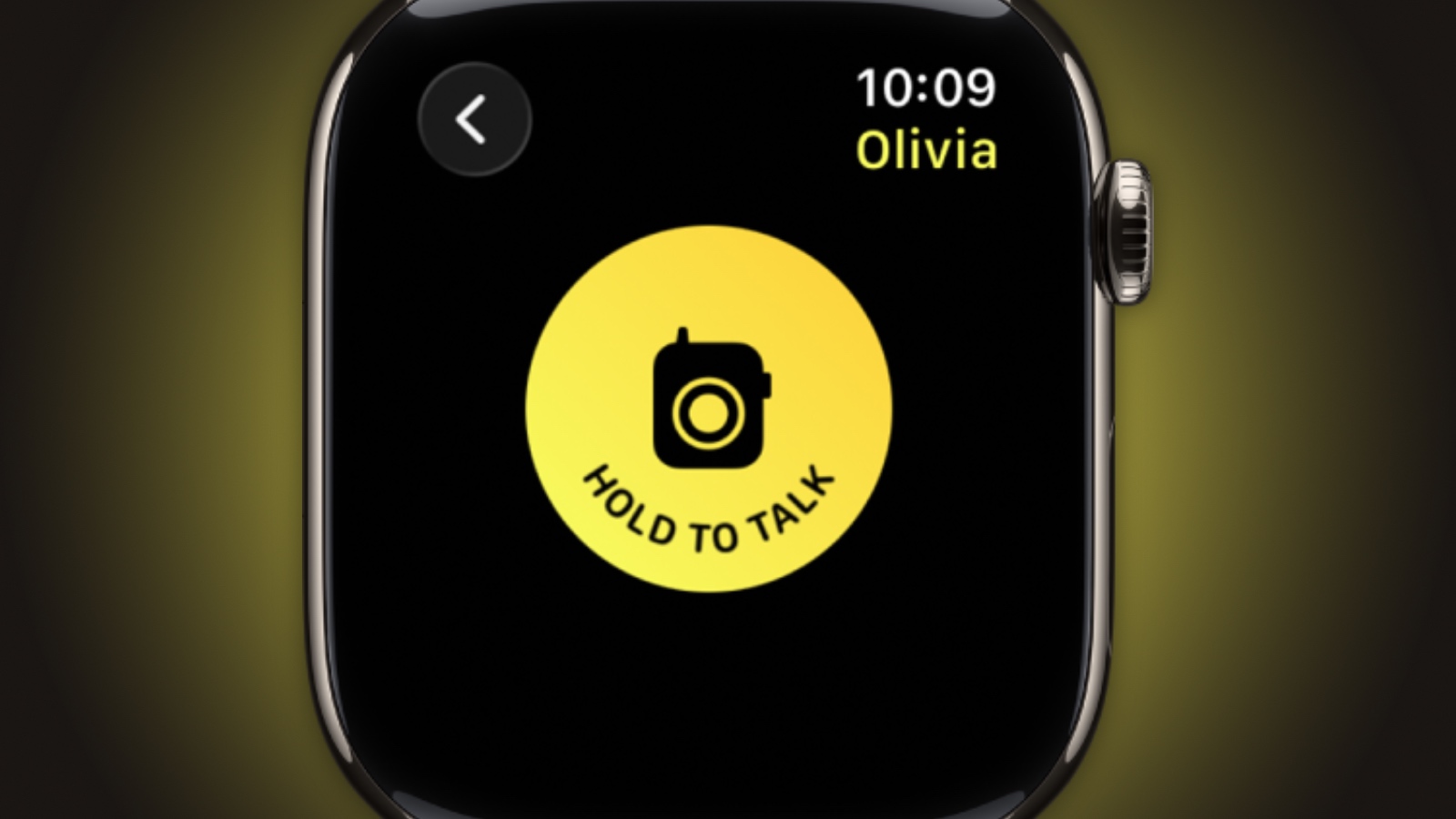
Apple Quietly Removes Walkie-Talkie App From Apple Watch in watchOS 27 Beta
Apple has made a significant yet understated change in the first developer beta of watchOS 27: the Walkie-Talkie app has been removed from Apple Watch entirely. The app no longer appears in the app list or Control Center, and users running the beta report that there is no option to reinstall it. While Apple has not officially confirmed the removal, the disappearance of the eight-year-old feature looks far more like a deliberate retirement than an accidental bug.
For longtime Apple Watch users, this marks the end of a feature that once promised to change the way people communicate on the go. Here is a full look at the history of the Walkie-Talkie app, why its removal was perhaps inevitable, and what it means for the future of Apple Watch communication features.
What Was the Apple Watch Walkie-Talkie App?
The Walkie-Talkie app debuted alongside watchOS 5 in 2018. Designed to offer a quick, convenient way to send push-to-talk voice messages, the feature used FaceTime infrastructure to transmit audio between Apple Watch users over Wi-Fi or cellular connections. Unlike a traditional walkie-talkie that relies on radio frequency and short-range signals, Apple's version worked over any distance, as long as both parties had an internet connection.
At launch, the app was genuinely exciting. Users could invite friends and family to connect via Walkie-Talkie, and once both parties accepted, a quick tap of the button would send a short voice message in near real time. It was a hands-free, iPhone-free way to stay in touch — something that aligned perfectly with the core philosophy of the Apple Watch as an independent, wrist-based communication device.
The appeal was obvious for parents checking in with kids, couples coordinating at a busy event, or friends staying in touch during a hike. The novelty of talking from your wrist without reaching for your phone captured imaginations when it was first announced on stage at WWDC 2018.
A Rocky Start: The Security Vulnerability That Shook Confidence
The Walkie-Talkie app's early momentum was quickly disrupted by a serious security flaw. Shortly after its launch, Apple was forced to disable the feature entirely after a vulnerability was discovered that could allow an attacker to listen through another person's Apple Watch microphone without their knowledge or consent. This was not a minor bug — it was a fundamental breach of user privacy.
Apple acted swiftly by remotely disabling the app while it worked on a fix, ultimately restoring Walkie-Talkie functionality with the watchOS 5.3 update. The company handled the situation responsibly, but the episode cast a shadow over the feature. Trust, once shaken, is difficult to fully restore, and many users who had been curious about Walkie-Talkie quietly moved on to other communication tools.
Eight Years of Neglect: Why the Removal Was Hardly a Surprise
Perhaps the most telling sign that Walkie-Talkie was headed for retirement is the sheer lack of development it received over its lifetime. Across eight major watchOS releases — from watchOS 5 all the way through to watchOS 11 — Apple made virtually no meaningful updates to the app. There were no new features, no interface overhauls, no deeper integration with other Apple services, and no expanded functionality.
In the fast-moving world of Apple software, standing still is effectively moving backward. While features like the Workout app, Notifications, Health tracking, and even the Messages experience on Apple Watch received regular attention and enhancements year after year, Walkie-Talkie remained frozen in time.
User adoption also appeared to taper off significantly after the initial novelty wore off. With iMessage, FaceTime Audio, and third-party apps like WhatsApp readily available on Apple Watch, the specific use case for Walkie-Talkie became increasingly narrow. It occupied space on the watch without providing a compelling reason for most users to reach for it regularly.
What watchOS 27 Tells Us About Apple's Direction
The removal of Walkie-Talkie in watchOS 27 is consistent with a broader Apple philosophy of periodically cleaning house. Apple has never been sentimental about retiring features or hardware that no longer serve a clear purpose or align with its current priorities. From the elimination of the headphone jack on iPhone to the retirement of iTunes, Apple tends to make bold cuts when it believes the time is right.
watchOS 27 is still in its earliest stages of beta testing, and there remains a slim — though unlikely — chance Apple could restore the app before the software reaches public release later this year. A public beta is expected to arrive next month, which will give a broader pool of testers the opportunity to experience the changes firsthand. If Walkie-Talkie does not reappear in that release, it will be a strong signal that the feature's days are truly over.
What This Means for Apple Watch Users
For the vast majority of Apple Watch users, the removal of Walkie-Talkie will go largely unnoticed. The app was rarely discussed in conversations about the Apple Watch's most valued features, and its absence is unlikely to drive anyone away from the platform. However, for the small community of users who genuinely relied on it — parents, partners, and teams who appreciated its simplicity — the removal is a real loss.
Users looking for a replacement have a few options to consider:
- FaceTime Audio: Available directly on Apple Watch, FaceTime Audio offers a high-quality, real-time voice call experience without needing to pick up an iPhone.
- iMessage and Voice Messages: Apple's Messages app on Apple Watch supports recorded voice messages, offering a similar asynchronous push-to-talk style of communication.
- Third-party apps: Apps such as Zello, which offers genuine walkie-talkie functionality, are available on the App Store and may fill the gap for users who specifically want that push-to-talk experience on their wrist.
The Legacy of a Feature That Could Have Been More
Looking back, the Walkie-Talkie app serves as an interesting case study in what happens when a promising feature does not receive the sustained investment it needs to thrive. It launched with genuine enthusiasm, stumbled with a critical security issue, and then quietly faded into irrelevance through years of inattention.
Had Apple continued to develop Walkie-Talkie — perhaps integrating it with group conversations, adding it to iPhone, or tying it more deeply into everyday workflows — it could have carved out a meaningful niche in the Apple ecosystem. Instead, it became a curiosity: a feature that many users forgot existed until the day it disappeared.
As watchOS 27 moves closer to its public release, Apple Watch users can expect the continued evolution of the platform's communication capabilities, even as one of its earliest features quietly steps aside. The Walkie-Talkie app may be gone, but its brief, turbulent history offers a valuable reminder that great ideas require great follow-through to truly leave a lasting mark.