
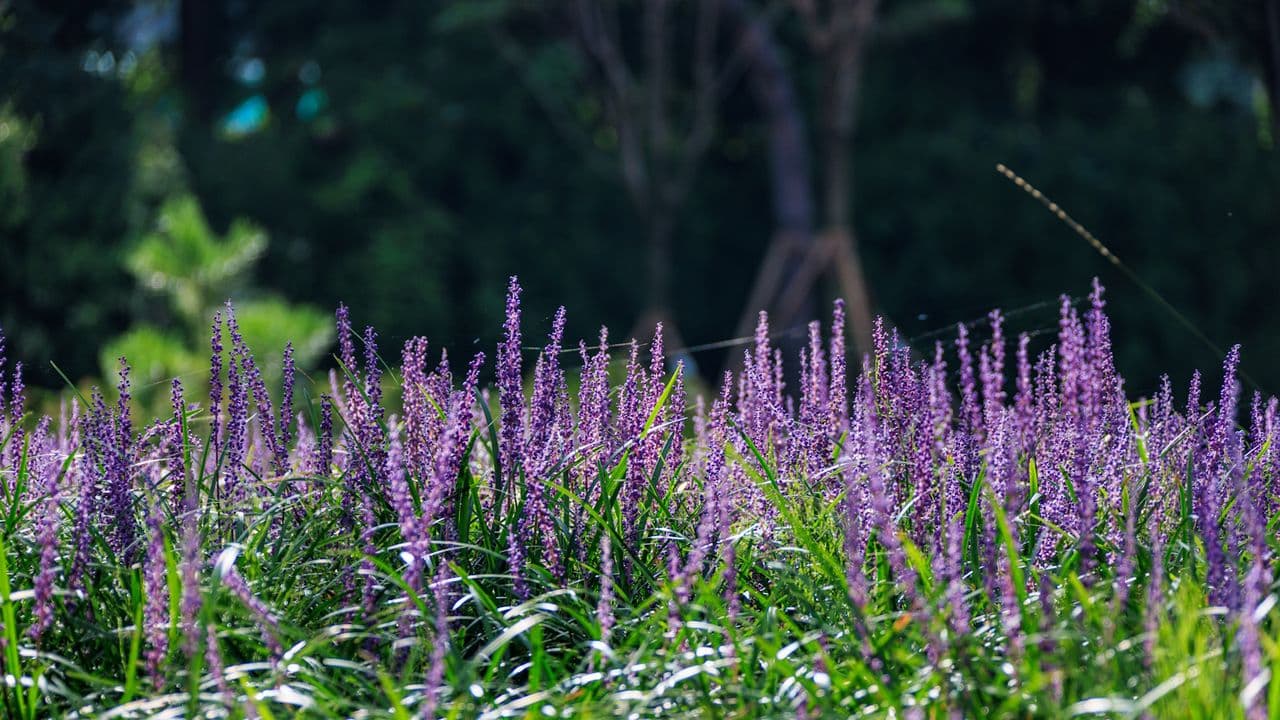
Why Ground-Covering Plants Are Your Best Weapon Against Weeds
Every gardener knows the frustration of spending a sunny weekend pulling weeds, only to find them back in full force two weeks later. While mulching and manual weeding have their place, the most effective long-term solution is surprisingly simple: let the right plants do the work for you. By choosing dense, vigorous perennials and evergreens that spread to cover bare soil, you can block out the light that weed seeds need to germinate — and reclaim your weekends for good.
The secret lies in understanding how weeds thrive. They exploit gaps in your planting scheme, colonising any patch of exposed earth with remarkable speed. Fill those gaps with the right border plants and you remove their opportunity entirely. Below, we've gathered six expert-approved perennials and evergreens that professional gardeners and horticulturalists consistently recommend for their ability to suppress weeds while keeping borders looking polished throughout the year.
1. Geranium (Cranesbill) – The Ultimate Weed-Smothering Perennial
Hardy geraniums, often called cranesbills, are among the most widely praised weed suppressors in the perennial world. Varieties such as Geranium 'Rozanne' and Geranium macrorrhizum produce a dense carpet of foliage that effectively shades out weed seedlings beneath. Their sprawling growth habit means they quickly colonise gaps between other plants without becoming invasive, making them an ideal mid-border filler.
Cranesbills are also remarkably low maintenance. They tolerate both sun and partial shade, cope well with dry conditions once established, and reward minimal care with months of cheerful blooms. After flowering, simply cut them back hard and they will regenerate fresh new growth that continues to suppress weeds into autumn. Few plants offer such a reliable combination of beauty and practicality.
2. Epimedium – The Shade Gardener's Secret Weapon
If your borders sit beneath trees or in the shadow of fences and walls, epimedium is the plant you need. Also known as barrenwort or bishop's hat, this semi-evergreen perennial thrives in the dry, nutrient-poor conditions that challenge most other plants. Its heart-shaped leaves form a weed-smothering mat that persists well into winter, and in spring it produces delicate, spurred flowers in shades of yellow, pink, purple, and white.
Epimedium is particularly prized by garden designers because it not only suppresses weeds but also looks elegant doing so. Established clumps are virtually self-sufficient — they rarely need watering, feeding, or dividing. For gardeners dealing with difficult shady spots where weeds like ground elder and bindweed tend to dominate, epimedium offers a long-term, chemical-free solution that improves with each passing year.
3. Vinca Minor – Evergreen Ground Cover That Works Year-Round
For year-round weed suppression, few plants can compete with Vinca minor, the lesser periwinkle. This evergreen, trailing sub-shrub produces a continuous carpet of glossy dark green leaves that remains dense and attractive through every season, meaning weeds have no seasonal window to exploit. Come spring, the plant is studded with cheerful blue or white flowers that add ornamental value to its practical benefits.
Vinca is vigorous enough to outcompete most weed species, particularly on slopes and banks where erosion control is also a concern. It handles sun or shade with equal composure and thrives in soils that other plants find challenging. The key is to plant it at the right spacing — around 30 to 45 centimetres apart — to ensure the canopy closes quickly. Once established, it requires virtually no maintenance beyond an occasional trim to keep it tidy.
4. Hosta – Bold Foliage That Dominates the Border Floor
Hostas are justifiably famous for their spectacular foliage, but their role as weed suppressors is equally impressive. The largest varieties, such as Hosta 'Sum and Substance' and Hosta 'Empress Wu', produce enormous leaves that cast deep shade over the soil beneath, making it almost impossible for weed seeds to germinate. Even compact hostas form dense clumps that leave no bare earth exposed.
Plant hostas in partial to full shade alongside moisture-retentive soil, and they will reward you with steadily expanding clumps that grow more effective at suppressing weeds with each passing season. While slugs and snails can be a nuisance, choosing thicker-leaved varieties significantly reduces the problem. Combined with a bark mulch layer applied in early spring, hostas are among the most powerful natural weed control tools available to the home gardener.
5. Pachysandra – The Evergreen Ground Cover Built for Tough Conditions
Pachysandra terminalis, commonly known as Japanese spurge, is a favourite of professional landscape gardeners for good reason. This low-growing evergreen spreads steadily via underground runners to form a tight, uniform mat of glossy foliage that is virtually impenetrable to weeds. Unlike many ground cover plants, pachysandra performs especially well in deep shade — the kind of difficult spot under dense tree canopies where most plants simply give up.
Once established after its first growing season, pachysandra is exceptionally drought-tolerant and requires no supplementary feeding. Its slow and steady growth means it never becomes an aggressive nuisance, but its density is sufficient to exclude all but the most determined perennial weeds. For large areas of shade that are difficult to maintain, mass-planting pachysandra is one of the most cost-effective and durable solutions a gardener can employ.
6. Bergenia – Structural Evergreen with Year-Round Impact
Bergenia, sometimes called elephant's ears thanks to its large, rounded leaves, is a bold and handsome evergreen perennial that earns its place in borders as much for its weed suppression as for its ornamental value. The thick, leathery leaves emerge from ground level and form overlapping rosettes that cover the soil densely throughout the year. In late winter and early spring, vivid pink, magenta, or white flower spikes emerge to signal the end of the cold season, making bergenia one of the earliest sources of colour in the garden.
Bergenia thrives in both sun and shade, tolerates drought, poor soil, and coastal exposure, and is completely hardy in most temperate climates. Its structural, architectural quality makes it a favourite of garden designers working on low-maintenance schemes, and it pairs beautifully with ornamental grasses, ferns, and spring bulbs. Few plants offer such a compelling combination of year-round ground coverage and genuine visual drama.
How to Get the Most from Weed-Suppressing Plants
Choosing the right plants is only half the battle. To maximise their effectiveness, follow a few key principles when planting and establishing your weed-suppressing scheme.
- Start with a clean slate. Before planting, remove all existing weeds — including roots — to give your new plants every advantage. Perennial weeds like bindweed and couch grass must be removed thoroughly, as they can re-emerge even through dense planting.
- Apply mulch at planting time. A 5 to 7 centimetre layer of bark mulch or composted material applied immediately after planting suppresses weeds during the establishment period while your chosen plants fill in.
- Plant at appropriate spacing. Resist the urge to over-space plants to save money. Closer spacing ensures the canopy closes quickly, reducing the window of opportunity for weeds to establish.
- Be patient through year one. All ground-covering plants take at least one full growing season to establish and begin spreading effectively. Routine weeding during this period is essential but diminishes rapidly thereafter.
- Layer your planting scheme. Combine taller, canopy-forming perennials like hostas with low-growing ground covers like vinca for a multi-layered approach that leaves no level of the border exposed to weed colonisation.
A Low-Maintenance Border Worth the Investment
Transitioning to a weed-suppressing planting scheme requires some upfront effort and investment, but the returns are substantial. Gardeners who commit to the approach consistently report dramatic reductions in weeding time within two to three growing seasons, freeing them to focus on the more enjoyable aspects of garden care. Whether you're working with sun-drenched open borders or challenging shady spots beneath trees, at least one of the six plants above is suited to your conditions — and quite possibly, all six have a role to play in creating the beautiful, weed-free garden you've always wanted.