
Why North-Facing Gardens Don't Have to Be Dull
North-facing gardens have long carried an unfair reputation. Mention a shady, sun-starved plot to most gardeners and you'll hear a collective sigh — but those in the know understand that low-light spaces offer incredible opportunities for lush, dramatic planting. The secret lies in choosing the right container plants: species that not only tolerate reduced sunlight but genuinely thrive in it, rewarding you with rich foliage and surprising bursts of color throughout the growing season.
Whether you're working with a north-facing patio, a shadowy balcony, or a garden bed that rarely sees direct sun, container gardening gives you flexibility and control. You can move pots to chase seasonal light, refresh your display as plants peak, and create layered arrangements that turn a challenging space into something genuinely beautiful. Here are seven of the best container plants for north-facing gardens — and why each one deserves a spot in yours.
1. Fuchsia – Cascading Color in the Shade
Few plants deliver such extravagant color with so little fuss in shady conditions as the fuchsia. With their pendulous, jewel-like blooms in shades of deep pink, purple, red, and white, fuchsias are practically made for hanging baskets and tall containers in north-facing gardens. They prefer cool, moist conditions, making them ideally suited to spots that don't bake in afternoon sun.
Choose trailing varieties like Fuchsia 'Swingtime' or 'Dark Eyes' for hanging displays, or upright types for mixed container arrangements. Keep the compost consistently moist, feed regularly with a high-potash fertilizer, and deadhead spent blooms to prolong flowering well into autumn.
2. Begonia – Reliable Color from Summer to Frost
Tuberous and fibrous begonias are among the most dependable shade container plants available to gardeners. Their wide, waxy flowers come in nearly every warm color imaginable — coral, orange, yellow, deep red, and soft peach — and they bloom for months without demanding much attention. Unlike many flowering plants, begonias actively dislike strong direct sunlight, which can scorch their leaves and fade their blooms.
For containers, tuberous begonias with their large, rose-like flowers make a particularly dramatic statement. Plant them in well-draining, peat-free multi-purpose compost and place them in a spot sheltered from harsh winds. They'll reward you generously from early summer right through to the first frosts.
3. Hosta – Bold Foliage That Steals the Show
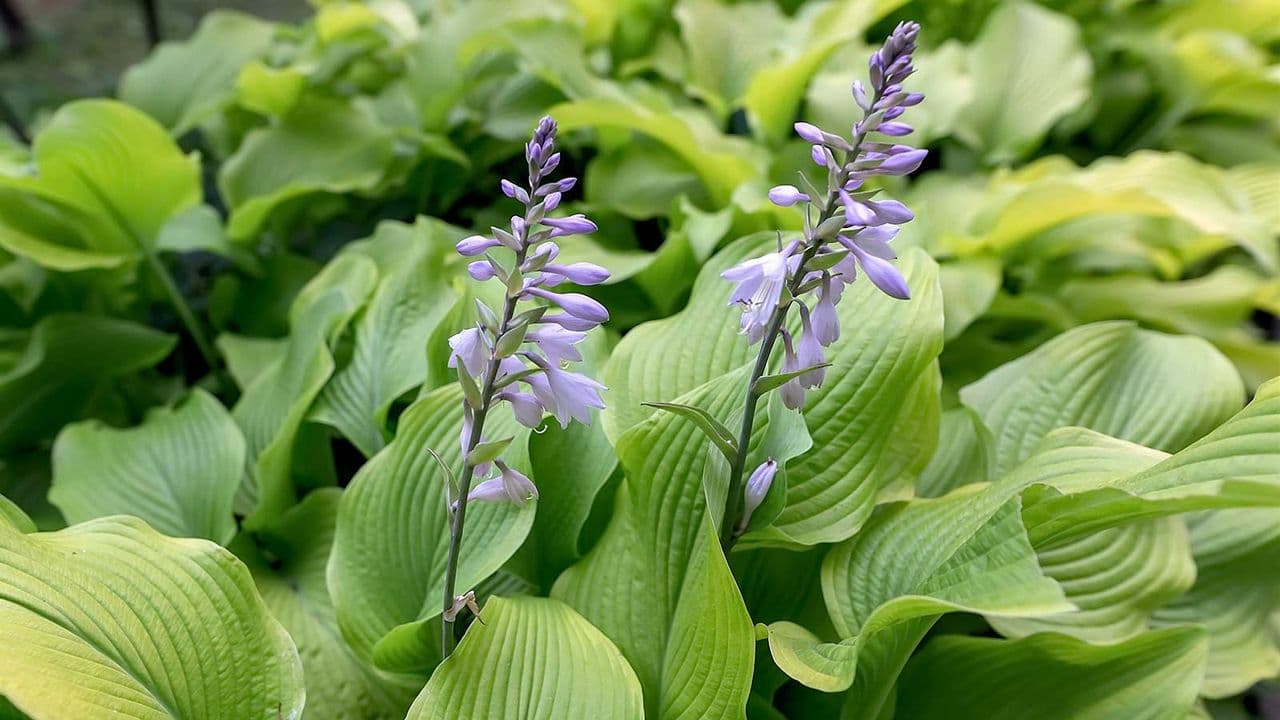
If you're willing to let foliage do the talking, hostas are unmatched for container planting in shaded north-facing gardens. Their large, architectural leaves come in an extraordinary range of colors — from deep blue-green and chartreuse yellow to silvery grey and crisp white-edged varieties — creating visual drama without a single flower.
That said, hostas do flower, sending up tall spikes of lavender or white blooms in summer that add a delicate contrast to their bold leaves. Plant them in deep containers with moisture-retentive compost, water generously, and protect them from slugs, which find hosta leaves irresistible. Varieties like Hosta 'Halcyon' and 'Sum and Substance' are particularly well suited to container life.
4. Astilbe – Feathery Plumes for Damp Shady Corners
Astilbes are underused container plants that deserve far more attention in shady garden designs. Their feathery, plume-like flowers rise above fern-like foliage in shades of red, pink, lilac, and white, creating a soft, romantic effect that suits north-facing spaces perfectly. They thrive in moisture-retentive compost and can even tolerate waterlogged conditions that would kill most other plants.
For containers, choose compact varieties and ensure the pot is generously sized to accommodate their spreading root system. Keep compost consistently moist — never allow astilbes to dry out — and divide plants every few years to maintain their vigor and flowering performance.
5. Impatiens – The Classic Shade Bedding Plant
There's a reason impatiens have remained one of the most popular bedding plants for decades: they simply work. In shady conditions where other flowering annuals would struggle, impatiens produce an almost unbroken carpet of blooms in white, pink, red, orange, and lilac from late spring to the first autumn frosts. They're fast-growing, easy to maintain, and ideal for filling containers, window boxes, and hanging baskets in north-facing positions.
Look for the New Guinea impatiens varieties if you want larger flowers and more ornamental foliage. All impatiens prefer moist, well-drained compost and regular feeding. Pinch out growing tips on young plants to encourage bushy, full growth and maximum flower coverage.
6. Heuchera – Year-Round Foliage Interest
Heucheras are among the hardest-working container plants for shaded gardens, offering year-round color through their richly colored foliage alone. Varieties span a stunning range including deep burgundy, burnt caramel, lime green, silver, and almost-black, with many featuring contrasting veining and silvery overlays that catch low, angled light beautifully.
Beyond their foliage, heucheras produce delicate wiry stems topped with tiny bell-shaped flowers in summer, adding another layer of texture. They're evergreen, frost-hardy, and low-maintenance — making them excellent anchor plants in mixed container displays throughout the year.
7. Camellia – Elegant Blooms in Early Spring
For sheer elegance, few container plants rival the camellia. These beautiful evergreen shrubs produce large, perfectly formed flowers in shades of deep red, soft pink, and pure white during late winter and early spring — precisely when most gardens are at their most bare. Crucially, camellias actually prefer a north or east-facing position, as morning sun after a frost can damage their delicate blooms.
Grow camellias in ericaceous (acidic) compost, water with rainwater where possible, and feed with a specialist ericaceous fertilizer in spring and summer. In a large container, a well-tended camellia can become a genuinely spectacular focal point that anchors your north-facing display for decades.
Tips for Getting the Most From Your Shady Container Garden
Beyond choosing the right plants, a few practical strategies will help your north-facing container garden reach its full potential. Group containers together to create a microclimate that retains moisture and humidity — most shade-loving plants appreciate this. Use light-colored pots and walls to reflect available light back onto your plants. Refresh compost annually and feed regularly during the growing season, since container plants rely entirely on you for their nutrition.
Most importantly, embrace the unique character of a shaded space. The cooler, more sheltered conditions of a north-facing garden support a palette of lush greens, soft pastels, and deep jewel tones that would bleach out in full sun. With the right container plants, your shady spot isn't a limitation — it's an opportunity.