
A Federal Anti-Fraud Law Is Now at the Center of an HOA Fee Crisis
For millions of Americans living in homeowners association (HOA) communities, monthly dues are already a significant financial burden. Now, a federal anti-fraud law is adding a new layer of complexity — and potentially a new layer of cost — to the equation. The Corporate Transparency Act (CTA), originally designed to crack down on financial fraud and money laundering through shell companies, is now casting a wide net that appears to include condo associations and HOAs. And that has community advocates, board members, and homeowners deeply worried.
What Is the Corporate Transparency Act?
Passed by Congress in 2021 and enforced by the Financial Crimes Enforcement Network (FinCEN), the Corporate Transparency Act was crafted with a straightforward goal: to prevent bad actors from hiding behind anonymous business entities to conduct fraud, tax evasion, and money laundering. The law requires millions of business entities to file Beneficial Ownership Information (BOI) reports disclosing the identities of the individuals who ultimately own or control those entities.
On its surface, this sounds like a reasonable measure aimed squarely at financial criminals. The problem? The law's language is broad enough to capture a wide variety of organizations that were never the intended targets — including nonprofit HOAs and condominium associations, which often operate as incorporated entities under state law.
Why HOAs Are Caught in the Middle
Most HOAs are legally structured as nonprofit corporations or limited liability companies at the state level. That formal corporate structure, while largely administrative, is precisely what triggers the CTA's reporting requirements. Under the law, HOA boards may be required to identify and report the personal information — including name, address, date of birth, and government-issued ID — of every individual who exercises "substantial control" over the association.
For a typical HOA, this could mean reporting information on every board member, and potentially other key decision-makers. Board members are often unpaid volunteers who signed up to manage community landscaping and enforce noise ordinances — not to submit federal compliance documents. The administrative burden alone is significant, but the real concern is financial.
How Compliance Could Drive Up HOA Dues
Compliance with the Corporate Transparency Act is not free. HOAs that lack in-house legal expertise — which is most of them — will need to hire attorneys, compliance consultants, or management companies to navigate the filing requirements, understand exemptions, and keep records up to date. Any time board membership changes, updated BOI reports may need to be filed. Over time, these costs accumulate.
HOA advocates warn that these new compliance expenses will almost certainly be passed along to homeowners through higher monthly or annual dues. At a time when HOA fees are already climbing due to rising insurance premiums, inflation-driven maintenance costs, and aging infrastructure, this additional burden could push dues even higher for families who are already stretched thin.
The Legal Battle Heading to the Supreme Court
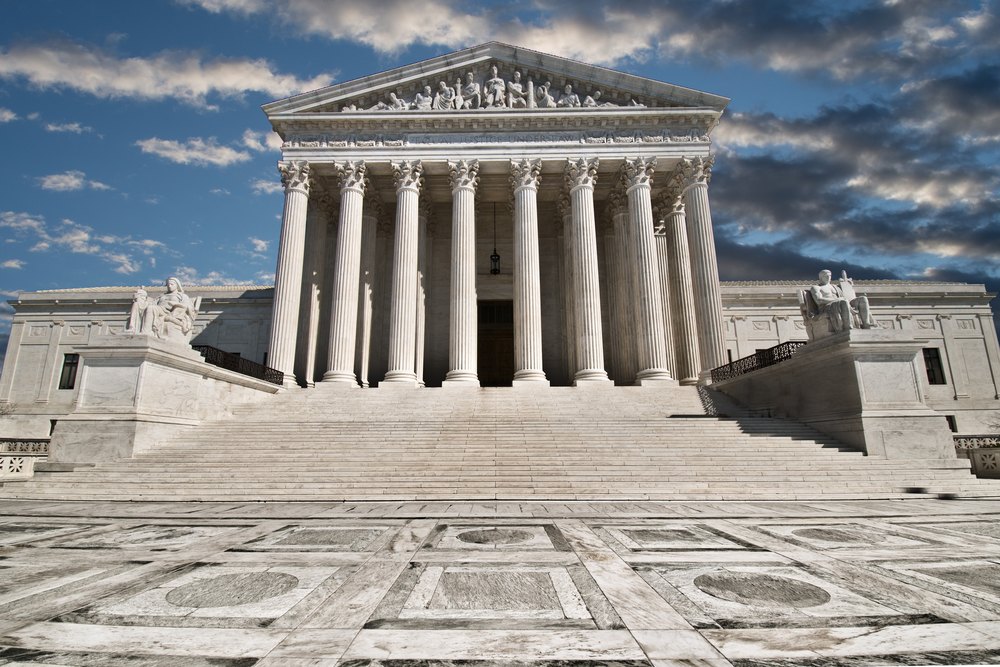
The Corporate Transparency Act has faced a turbulent legal history since its enforcement began. Multiple federal courts have weighed in, with most ultimately upholding the law's constitutionality. However, opposition has not relented. A coalition of business entities, led by the National Small Business Association, is now petitioning the U.S. Supreme Court to take up the case and strike down the law's key provisions as unconstitutional.
Joining this legal challenge are several HOA advocacy groups, which argue that applying the CTA to nonprofit community associations is both an overreach of federal authority and a misapplication of a law designed for commercial enterprises. They contend that HOAs have no meaningful connection to the money laundering or fraud schemes the CTA was built to address, and that forcing them into compliance is an unfair and costly imposition.
What Opponents Say About the Law
Critics of the CTA's application to HOAs raise several pointed arguments:
- Disproportionate burden: HOAs are community-serving, largely volunteer-run organizations. The compliance infrastructure required by the CTA was designed with profit-driven businesses in mind, not neighborhood associations managing pool maintenance schedules.
- Privacy concerns: Board members — again, often unpaid volunteers — are being asked to submit personal identifying information to a federal database, raising legitimate concerns about data security and privacy.
- Constitutional overreach: Opponents argue that Congress lacks the authority to impose these reporting requirements on entities that operate primarily at the local level and have no connection to interstate commerce or financial crime.
- Chilling effect on volunteerism: If serving on an HOA board means submitting personal data to the federal government, fewer residents may be willing to volunteer, making it harder for associations to function effectively.
Where Things Stand Right Now
As of mid-2025, the legal landscape remains unsettled. FinCEN has issued guidance and adjusted enforcement timelines multiple times in response to ongoing litigation, creating confusion for HOAs trying to understand their current obligations. Some HOAs have moved forward with compliance out of caution, while others are waiting for greater legal clarity before investing in the compliance process.
The Supreme Court's decision on whether to hear the case will be a pivotal moment. If the Court agrees to take it up, a ruling could either permanently exempt organizations like HOAs from the CTA's reach or affirm that all incorporated entities — regardless of their nonprofit or community-service nature — must comply.
What Homeowners Should Do Now
If you live in an HOA or condo community, staying informed is your best first step. Here is what experts recommend:
- Talk to your board or property manager to find out whether your association has assessed its CTA compliance obligations and whether any costs have already been incurred.
- Review your HOA's budget for line items related to legal or compliance services, which may signal that fee increases are on the horizon.
- Follow the Supreme Court proceedings — a decision in this case could have sweeping implications for HOA governance nationwide.
- Consult a real estate attorney if you are buying into a new HOA community, so you understand the potential future fee trajectory tied to regulatory compliance.
The Bigger Picture: HOA Fees Under Pressure From All Sides
The Corporate Transparency Act controversy does not exist in a vacuum. It is arriving at a moment when HOA fees are under pressure from multiple directions. Insurance premiums for common areas and shared structures have surged dramatically in many states. Deferred maintenance on aging infrastructure — from parking lots to elevators to roofs — is coming due in communities built decades ago. Climate-related repairs and resilience upgrades are increasingly necessary. And inflation has driven up the cost of every service an HOA contracts for, from landscaping to security.
Against this backdrop, adding a new federal compliance mandate is particularly ill-timed for homeowners who are already grappling with housing affordability challenges. The outcome of the Supreme Court challenge will matter enormously — not just as a legal precedent, but as a direct financial question for tens of millions of Americans living under HOA governance.
For now, HOA communities and their members are left watching the courts, hoping for clarity that will determine just how expensive this fight against financial fraud ultimately becomes for ordinary neighborhood homeowners.