
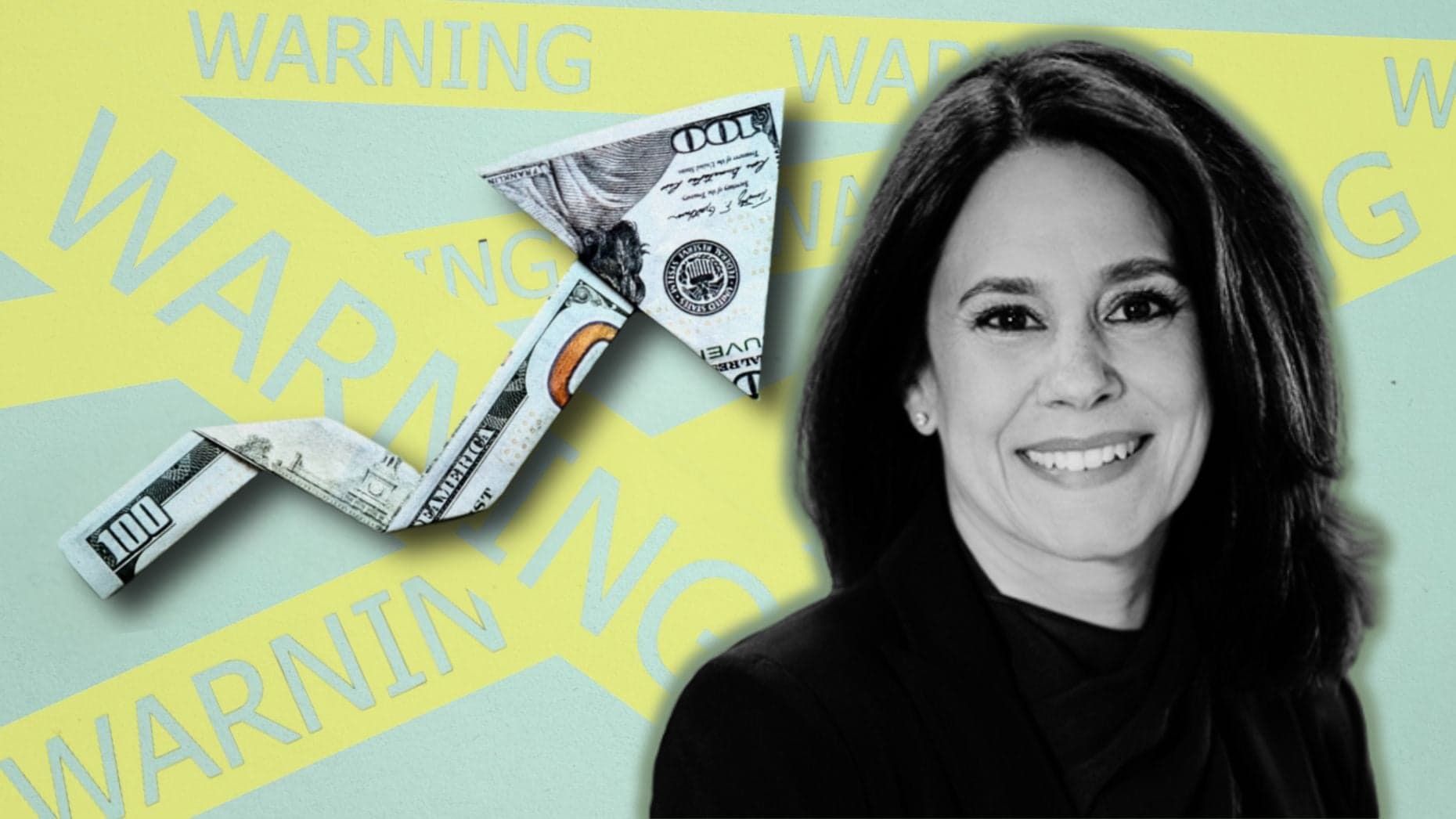
Dallas Fed President Sounds the Alarm on Inflation
A top Federal Reserve official is raising serious concerns about the trajectory of inflation in the United States — and the latest jobs report may have given those concerns even more weight. The president of the Federal Reserve Bank of Dallas has issued a stark warning: a rate hike could be necessary before the year is out if inflation continues to resist the central bank's efforts to bring it under control.
For everyday Americans, this kind of statement from a senior Fed official is more than just financial news — it carries real-world implications for mortgage rates, credit card debt, auto loans, and the broader cost of living. Understanding what is driving this warning, and what it could mean for the economy, is critical as 2025 continues to unfold.
What the Dallas Fed President Actually Said
The Dallas Federal Reserve president's comments reflect a growing sense of unease within certain corners of the central bank. While the Federal Open Market Committee (FOMC) has held rates steady in recent months following a historic tightening cycle, the possibility that the Fed may need to reverse course — or at least halt any anticipated cuts — is gaining momentum among more hawkish members of the institution.
The warning centers on a straightforward concern: inflation has not cooled fast enough, and economic activity, particularly in the labor market, remains too robust to justify loosening monetary policy anytime soon. In fact, the official's remarks suggest that if data continues trending in the wrong direction, the Fed may have no choice but to raise rates again — a scenario that just months ago seemed increasingly unlikely.
This is a significant shift in tone. After a prolonged battle against inflation that saw the Fed raise rates to their highest levels in decades, markets had broadly priced in a future of stable or declining interest rates. That narrative is now being challenged directly by officials like the Dallas Fed president.
The Jobs Report: Adding Fuel to the Fire
The timing of the Dallas Fed president's warning is not incidental. A recent jobs report appears to have reinforced concerns that the U.S. economy is running hotter than the Fed would like. Strong employment data, while generally positive on its face, presents a complicated picture for monetary policymakers.
When job creation remains robust and unemployment stays low, consumer spending tends to stay elevated — and elevated spending can keep inflationary pressures alive. The Federal Reserve has long acknowledged that a degree of labor market cooling is necessary to fully tame inflation. A jobs report that defies expectations in the other direction effectively complicates the Fed's ability to declare victory over rising prices.
For investors and borrowers alike, the message is clear: do not assume that the Federal Reserve's next move will be a rate cut. The door to further tightening is still open.
Why This Matters: The Broader Economic Picture
The potential for another rate hike in 2025 has wide-ranging implications across virtually every sector of the economy. Here is a look at what could be affected:
- Mortgage rates: Homebuyers have already weathered an extended period of elevated borrowing costs. A rate hike would likely push mortgage rates even higher, further suppressing affordability and potentially cooling an already sluggish housing market.
- Credit card and consumer debt: Variable-rate credit products are directly tied to the federal funds rate. Any increase would immediately translate into higher minimum payments and more expensive carrying costs for millions of American households.
- Business investment: Higher borrowing costs make expansion and capital investment more expensive for businesses. Small and mid-sized companies, in particular, could find access to affordable credit tightening at a critical time.
- Stock markets: Equity markets have historically been sensitive to shifts in Fed policy. A rate hike — or even persistent warnings about one — can trigger volatility as investors reassess valuations in a higher-rate environment.
- The U.S. dollar: Higher interest rates tend to strengthen the dollar, which can have mixed effects — helping to reduce import costs while simultaneously putting pressure on U.S. exporters competing in global markets.
Where Does the Federal Reserve Go From Here?
The Federal Reserve operates on data. Every FOMC meeting is shaped by incoming economic indicators, and the central bank has been explicit about its data-dependent approach to policy. The Dallas Fed president's warning reflects a reading of current conditions that prioritizes inflation risk over the risk of over-tightening the economy.
Not all Fed officials share this view. The central bank is home to a range of perspectives, from those who believe the existing rate level is sufficiently restrictive to those who, like the Dallas Fed president, feel that more may need to be done. This internal debate will play out in real time over the coming months, making each new economic data release — on inflation, employment, consumer spending, and GDP growth — more consequential than ever.
Analysts will be watching closely for signals from Fed Chair Jerome Powell and other FOMC members in the weeks ahead. Any shift in the committee's language around future rate decisions could move markets quickly and substantially.
What Should You Do With This Information?
Whether you are a homeowner, a borrower, an investor, or simply someone managing a household budget, the prospect of a Fed rate hike warrants attention and preparation. Financial advisors broadly recommend reviewing variable-rate debt exposure and considering whether locking in fixed rates on loans or refinancing makes sense given current conditions.
The Dallas Fed president's warning is a reminder that the fight against inflation is not over — and that the Federal Reserve remains willing to use every tool at its disposal to finish the job. Staying informed about monetary policy developments is not just for economists and Wall Street traders. In an interest-rate-sensitive economy, it matters for everyone.
The Bottom Line
The Federal Reserve Bank of Dallas president's signal that a rate hike may be needed this year represents a meaningful development in the ongoing story of American monetary policy. Backed by a jobs report that suggests the economy continues to run at a pace inconsistent with the Fed's inflation targets, this warning deserves to be taken seriously. The months ahead will be pivotal — for the Fed, for financial markets, and for American households navigating an economy that remains anything but predictable.