
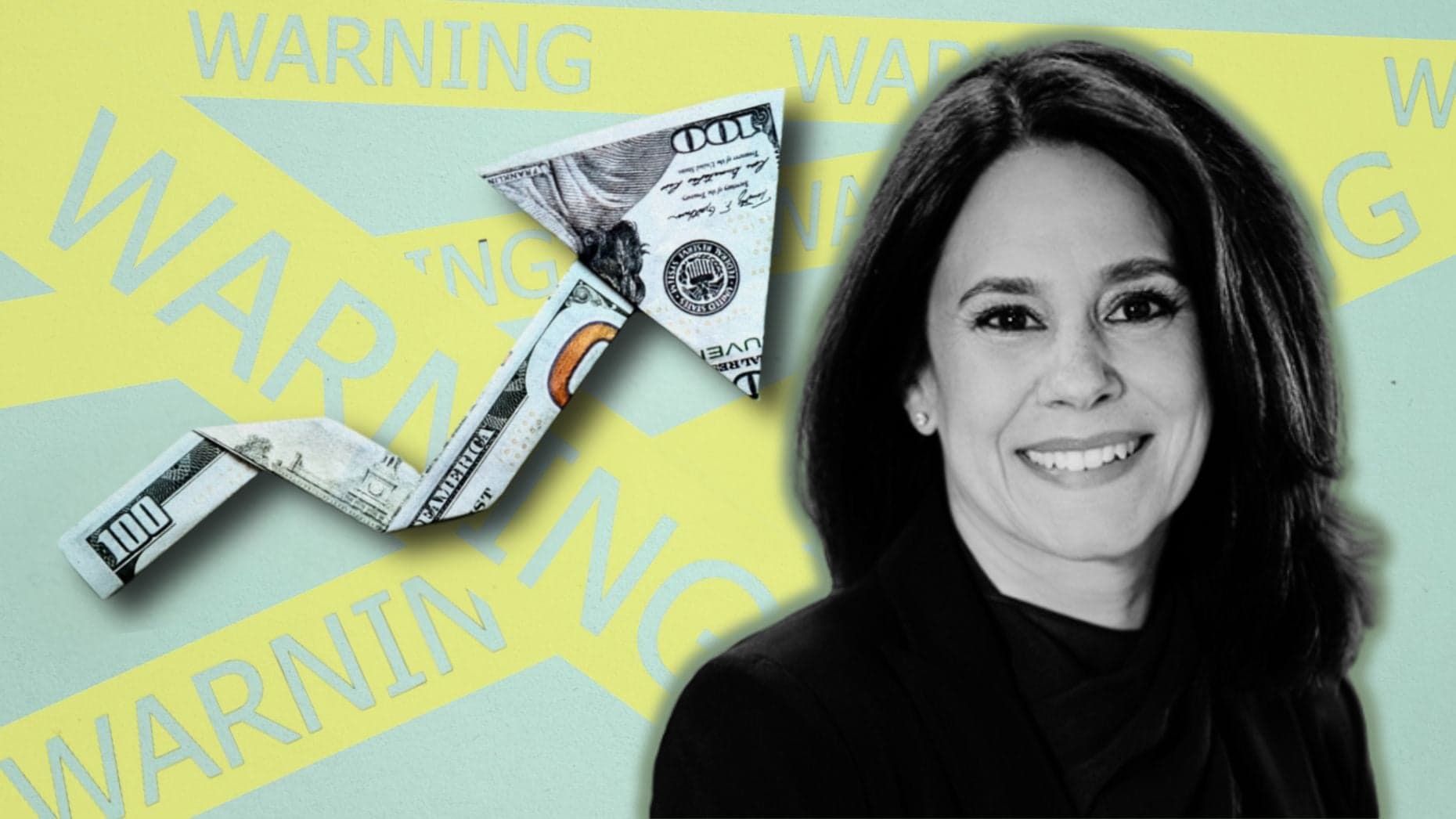
Dallas Fed President Sounds the Alarm on Inflation
A top Federal Reserve official is sounding the alarm on inflation — and Friday's jobs report may have just turned up the volume. The president of the Federal Reserve Bank of Dallas has issued a pointed warning: if inflation does not cool fast enough, the central bank may have no choice but to raise interest rates before the year is out. For millions of American households, businesses, and investors still adjusting to years of elevated borrowing costs, that message carries serious weight.
At a time when many had been hoping the Fed's next move would be a rate cut, the suggestion that another hike could be on the table represents a significant shift in tone — and potentially in policy. Understanding what is driving this warning, and what it could mean for everyday financial decisions, has never been more important.
Why the Dallas Fed Is Concerned About Inflation
The Federal Reserve has been fighting elevated inflation since it began surging in 2021. While price growth has come down considerably from its 40-year highs, inflation has proven stickier than policymakers had hoped. Core inflation — which strips out volatile food and energy prices — has remained persistently above the Fed's 2% target, and progress in bringing it down has slowed in recent months.
The Dallas Fed president's warning reflects a broader concern within parts of the Federal Open Market Committee (FOMC): that the central bank may have been too optimistic in assuming inflation would gradually return to target on its own. With price pressures re-accelerating in certain sectors, including shelter, services, and insurance, some officials believe holding rates steady is no longer a sufficient strategy.
In plain terms, the warning signals that the Fed is not yet done with its inflation fight — and that borrowers who were counting on relief in the near term may need to recalibrate their expectations.
The Jobs Report That Changed the Conversation
Adding fuel to the inflation debate is the latest monthly jobs report, which came in stronger than many economists had forecast. A resilient labor market is a double-edged sword for the Federal Reserve. On one hand, robust employment reflects a healthy economy. On the other, it suggests that consumer spending power remains strong — a dynamic that can keep demand elevated and make it harder to bring inflation down.
When job creation beats expectations and wage growth remains solid, the Fed has less justification to cut rates. More critically, in the view of officials like the Dallas Fed president, a hot labor market could actually push inflation higher — making a rate hike a more reasonable policy response than it might have seemed even a few weeks ago.
The combination of a strong jobs report and stubborn inflation data has significantly narrowed the window for rate cuts in 2025, and has instead opened the door to the possibility of additional monetary tightening.
What a Rate Hike Would Mean for Borrowers and Markets
If the Federal Reserve were to raise its benchmark interest rate, the effects would ripple across virtually every corner of the economy. Here is what consumers, businesses, and investors should be thinking about:
- Mortgages and housing: Mortgage rates, already elevated compared to the pandemic-era lows, would likely climb further. This would add to affordability pressures in an already strained housing market, potentially cooling home sales activity and putting additional stress on prospective buyers.
- Credit card and consumer debt: Variable-rate credit card debt and personal loans are directly tied to the federal funds rate. A hike would mean higher monthly interest charges for anyone carrying a balance, squeezing household budgets that are already under pressure.
- Auto loans and student debt: New auto loans would become more expensive, potentially dampening vehicle sales. Private student loan borrowers with variable-rate products would also face higher costs.
- Business investment: Higher borrowing costs typically dampen corporate investment and expansion plans. Small businesses that rely on lines of credit or variable-rate loans would feel the pinch most acutely.
- Stock market volatility: Equity markets tend to react negatively to rate hike signals, as higher interest rates reduce the present value of future corporate earnings and make fixed-income investments more attractive by comparison.
Is a Rate Hike Actually Likely?
It is important to note that one regional Fed president's warning does not represent official Federal Reserve policy. The FOMC makes rate decisions collectively, and not all members share the same degree of concern about inflation re-acceleration. Fed Chair Jerome Powell and other officials have generally maintained a more cautious, data-dependent stance, suggesting that the committee wants to see several months of economic data before making any moves in either direction.
That said, the Dallas Fed president's comments are a meaningful signal that the internal debate at the Fed is more divided than markets may have assumed. Futures markets, which had been pricing in one or two rate cuts for 2025, have already started to reprice those expectations in the wake of the latest jobs and inflation data.
What Should You Do Now?
Whether a rate hike materializes or not, the Dallas Fed president's warning is a timely reminder that the era of ultra-low interest rates is firmly in the past — and that rates could move in either direction depending on how the economic data evolves.
For consumers, now is a smart time to review any variable-rate debt and consider whether locking in a fixed rate makes sense. For investors, diversification and a focus on quality assets can help weather potential volatility. And for businesses, conservative financial planning that accounts for a higher-for-longer rate environment remains the prudent course.
The Federal Reserve's primary mandate is price stability, and as long as inflation remains above target, officials like the Dallas Fed president will keep the pressure on — whether through rhetoric, rate holds, or, if necessary, further hikes. Staying informed and financially prepared is the best response any individual or business can make in this environment.