
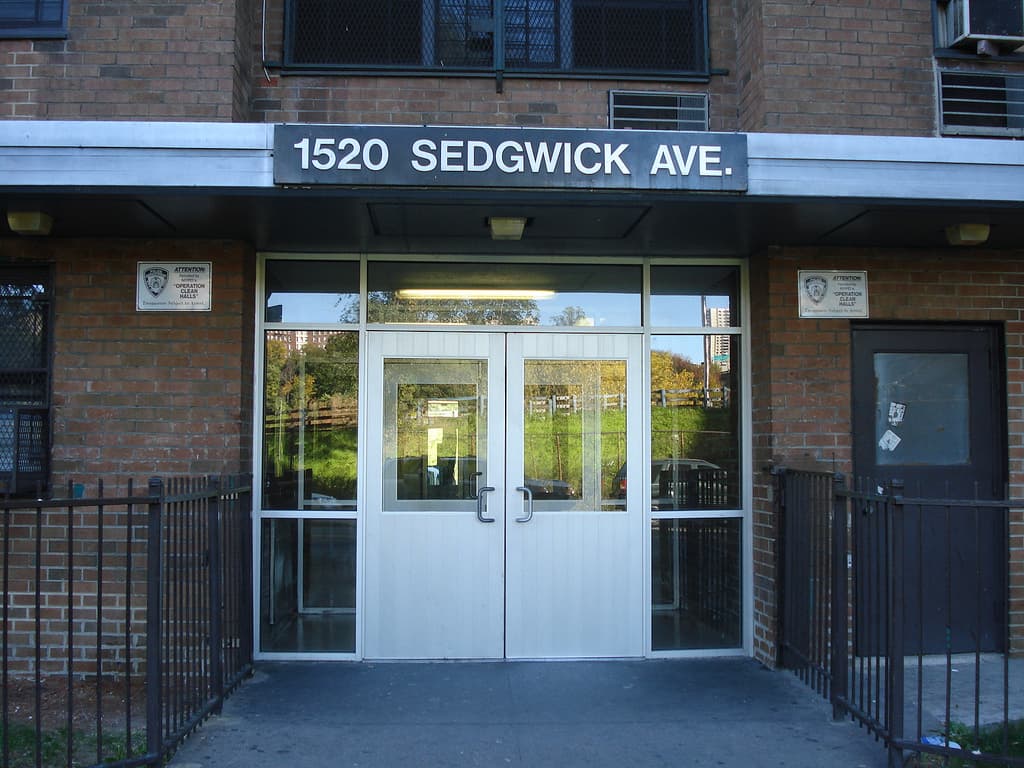
1520 Sedgwick Avenue: The Address That Changed Music Forever
There are addresses that define history. 1520 Sedgwick Avenue, a modest residential building nestled in the Morris Heights neighborhood of the Bronx, New York, is one of them. On the night of August 11, 1973, the basement recreation room of this apartment complex became the unlikely cradle of one of the most influential musical genres the world has ever known — hip hop. Decades later, that address continues to resonate across the globe, drawing music lovers, historians, and cultural pilgrims who want to stand at the very spot where a revolution began.
The Bronx in the Early 1970s: A City in Crisis
To truly appreciate the significance of 1520 Sedgwick Avenue, it helps to understand the world in which hip hop was born. The South Bronx of the early 1970s was one of the most economically devastated urban landscapes in the United States. Landlords were abandoning buildings, fires were ravaging entire city blocks, unemployment was rampant, and community services had been systematically cut. Gangs controlled many neighborhoods, and the young people of the Bronx found themselves with few outlets for creativity, expression, or joy.
It was in this environment — one of hardship, resilience, and raw creative energy — that a new culture emerged. The youth of the Bronx needed an outlet. What they created didn't just change their neighborhood; it changed the world.
Who Is DJ Kool Herc? The Godfather of Hip Hop
At the center of hip hop's origin story stands Clive Campbell, better known by his legendary stage name DJ Kool Herc. Born in Kingston, Jamaica, Herc immigrated to the Bronx as a teenager and quickly became immersed in the block party culture of New York City. He developed a keen interest in DJing and began experimenting with music in ways no one had done before.
Herc's most groundbreaking innovation was the technique now known as the breakbeat. By using two copies of the same record on two turntables, he was able to isolate and extend the percussive instrumental break — the part of a song where the beat was most raw and danceable — looping it over and over to keep dancers on the floor. This simple but revolutionary idea became the sonic foundation upon which hip hop was built. Herc didn't just play music; he manipulated it, stretched it, and transformed it into something entirely new.
The Party That Started It All: August 11, 1973
The historic night at 1520 Sedgwick Avenue was actually organized as a back-to-school party by DJ Kool Herc and his sister, Cindy Campbell. Cindy needed to raise money for new school clothes and charged a small admission fee — 25 cents for girls and 50 cents for boys. The venue was the building's community recreation room, a simple basement space that held around 100 people.
What unfolded that night was something extraordinary. As Herc worked his two turntables, looping breakbeats and keeping the energy electric, a new form of musical expression was born in real time. The crowd responded with a kind of enthusiasm that would fuel an entire culture. That night laid the groundwork for the four foundational elements of hip hop: DJing, MCing (rapping), breakdancing, and graffiti art.
From that basement in the Bronx, hip hop spread outward — first through the borough, then through New York City, then across the United States, and eventually to every corner of the planet. It is today the most streamed music genre in the world, generating billions of dollars in revenue and influencing fashion, language, film, politics, and social movements on a global scale.
Hip-Hop Celebration Day: August 11 Recognized Nationally
The significance of that August night in 1973 has not gone unrecognized by official institutions. August 11 is now celebrated annually as Hip-Hop Celebration Day, a date that honors not just a genre of music but an entire cultural movement that changed the world. In 2021, the United States Senate formally commemorated the day, cementing hip hop's place not just in pop culture but in the official historical record of the nation.
This recognition speaks volumes. Hip hop, born in poverty and adversity, has become so integral to American — and global — culture that it has earned acknowledgment at the highest levels of government. From the Bronx basement to the halls of the United States Senate, the journey of hip hop is one of the most remarkable cultural stories in modern history.
The Bronx Hip Hop Legacy: From Kool Herc to Cardi B
The Bronx's contribution to hip hop did not end with DJ Kool Herc. The borough has continued to produce some of the genre's most iconic and influential voices. Big Pun, the first Latino rapper to achieve platinum status as a solo artist, emerged from the Bronx in the 1990s with a lyrical precision that left an indelible mark on the culture. In more recent years, Cardi B has risen from the Bronx streets to become one of the best-selling female rappers of all time, carrying the borough's legacy forward into the modern era.
These artists are part of a long, proud lineage that traces directly back to a summer night in 1973 and a DJ named Kool Herc who dared to do something different with two turntables and a crowd hungry for something new.
1520 Sedgwick Avenue Today: A Cultural Landmark
Today, 1520 Sedgwick Avenue still stands in the Morris Heights neighborhood of the Bronx. The building has been recognized as a place of extraordinary historical and cultural significance. Efforts by community activists, musicians, and historians have worked to preserve both the physical structure and its story, ensuring that the memory of what happened there on August 11, 1973 is never lost.
For anyone passionate about music history, urban culture, or the incredible power of creativity to rise from adversity, a visit to 1520 Sedgwick Avenue is a deeply moving experience. It is a reminder that world-changing ideas don't always begin in concert halls or recording studios. Sometimes, they begin in a basement, with a DJ, two turntables, and a room full of young people ready to dance.
Why 1520 Sedgwick Avenue Matters to Hip Hop Fans Everywhere
The story of 1520 Sedgwick Avenue is ultimately a story about human creativity, resilience, and the transformative power of music. Hip hop gave the youth of the Bronx a voice when the world was largely ignoring them. It gave them art, community, identity, and pride. And from that small beginning, it gave the entire world a genre that continues to dominate global culture more than 50 years later.
Whether you are a lifelong hip hop fan, a music history enthusiast, or simply someone who marvels at how culture is born and spreads, 1520 Sedgwick Avenue is a name worth knowing. It is not just an address in the Bronx. It is the birthplace of a revolution.