
The Promise of AI in Housing: Cutting Through Red Tape
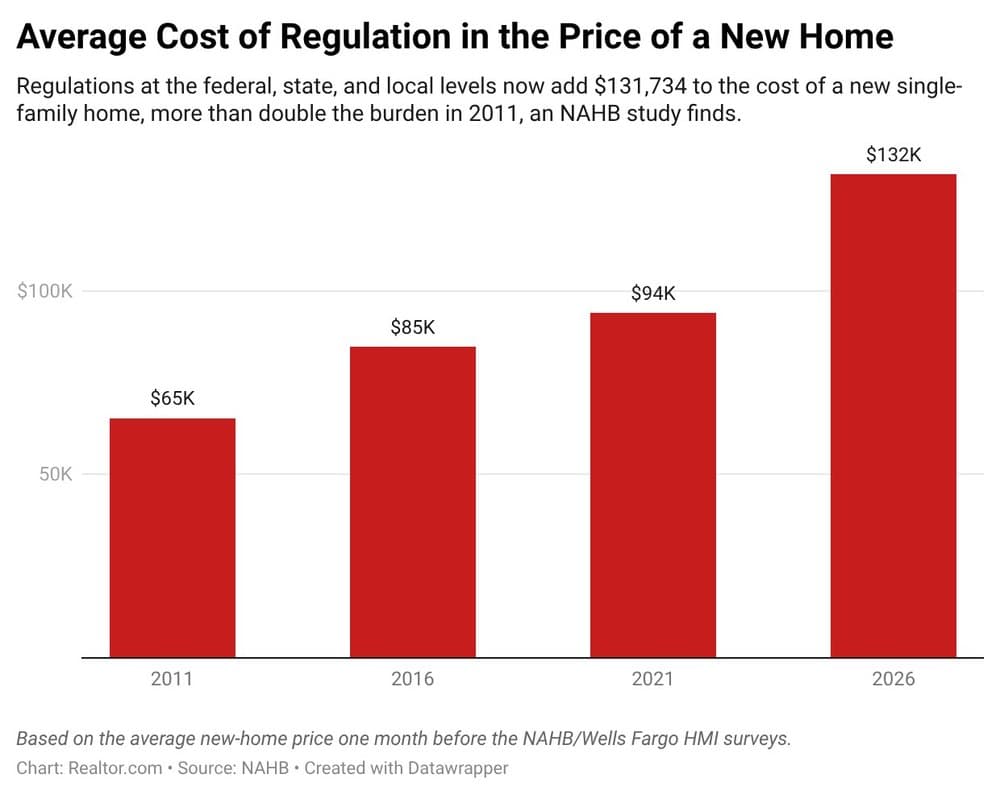
Across the United States, local governments are increasingly looking to artificial intelligence as a tool to bring down housing costs — and with good reason. Regulatory burdens now add an average of $131,734 to the price of a typical new home, according to a landmark 2026 survey from the National Association of Home Builders (NAHB). That staggering figure accounts for 26.4% of the average sales price of $499,500, and it has climbed nearly 40% in just five years. For a country already grappling with a housing shortage estimated at more than 4.03 million homes, the appeal of any tool that can streamline approvals, reduce permitting delays, and cut bureaucratic friction is easy to understand.
AI-powered platforms are being piloted in cities large and small to automate zoning analysis, speed up environmental reviews, and help planners identify underutilized land suitable for residential development. Proponents argue that what once took months of manual review can be compressed into days, potentially unlocking tens of thousands of new units and meaningfully reducing the cost burden passed on to homebuyers. On paper, the math is compelling: if AI can shave even a fraction of that $131,734 regulatory premium off each new home, the impact on affordability could be enormous.
A Housing Shortage That Demands Bold Solutions
The scale of America's housing deficit makes the urgency undeniable. Realtor.com research pegs the national supply gap at over 4.03 million homes, a shortfall driven by years of underbuilding, rising construction costs, restrictive zoning laws, and the very regulatory overhead the NAHB study highlights. First-time buyers are being priced out of markets they grew up in, rental demand is straining availability in major metros, and household formation continues to outpace new supply in many regions.
In this context, any credible strategy to lower the cost and complexity of homebuilding deserves serious attention. AI is increasingly framed not as a luxury for tech-forward municipalities, but as a practical necessity for cities trying to meet state housing mandates, comply with new zoning reform laws, and process a surge in development applications with lean planning department staffs. The technology can cross-reference parcel data, flag inconsistencies in permit applications, and generate draft environmental impact summaries — tasks that historically required teams of specialists working across weeks or months.
The Data Center Problem Nobody Planned For
There is, however, a significant catch — and communities across the country are beginning to feel it. The very AI systems being deployed to solve the housing crisis require massive amounts of computational power, which in turn demands enormous data center infrastructure. And data centers are proving to be deeply disruptive neighbors.
Several high-profile cases have illustrated the tensions involved. In Archbald, Pennsylvania, residents raised alarms about a proposed data center's potential drain on local water supplies. Across multiple communities, homeowners have reported sharp spikes in electricity bills linked to the extraordinary energy demands of large-scale AI data centers connecting to regional grids. The facilities require continuous cooling, constant power, and significant land — resources that put them in direct competition with the residential communities they are ostensibly meant to serve.
The backlash has been swift in some places. Louisville and other cities have moved to ban or heavily restrict data centers over 500,000 square feet under draft zoning rules, reflecting a growing public sentiment that the costs of hosting AI infrastructure are not being fairly distributed. The communities bearing the environmental and utility burden are often not the same ones benefiting from AI-driven housing efficiencies — a disconnect that is fueling resentment and political opposition.
Caught in a Vise: Affordability on Two Fronts
The cruel irony of the situation is that many of the households most desperate for affordable housing are also the most vulnerable to rising utility costs. When data center expansion causes electricity rates to climb, the affordability crisis simply shifts from the purchase price of a home to the monthly cost of living in it. A family that manages to buy a home at a lower price point thanks to AI-streamlined permitting may find that savings quickly erased by a utility bill inflated by the same technology.
Water scarcity adds another layer of concern. In drought-prone regions of the American West and Southwest — areas already grappling with acute housing shortages — the water demands of data centers can conflict directly with the needs of new residential development. Building more homes requires water infrastructure; so does running the AI systems intended to make building those homes easier. Something has to give.
What Communities and Policymakers Can Do
Navigating this tension will require more than good intentions. Several approaches are emerging as potential paths forward:
- Targeted siting policies: Cities can adopt zoning frameworks that direct data center development away from water-stressed areas and regions with strained electrical grids, reducing the localized impact on residential communities.
- Cost-sharing requirements: Policymakers can require data center operators to contribute to grid upgrades or water infrastructure improvements as a condition of development approval, ensuring that the communities hosting these facilities share in the economic benefits.
- Energy efficiency standards: Mandating that new data centers meet rigorous power usage effectiveness benchmarks can reduce their draw on local utility systems, softening the impact on household bills.
- Transparent impact assessments: Before approving AI infrastructure projects, municipalities should require full disclosure of anticipated water consumption, electricity usage, and grid impact — giving residents the information they need to participate meaningfully in planning decisions.
The Affordability Equation Is More Complex Than It Looks
AI's potential to reduce regulatory costs and help close the housing supply gap is real and worth pursuing. The NAHB's finding that regulation adds over $130,000 to the average home price is a powerful argument for any technology that can streamline that process. But the infrastructure required to run AI at scale introduces costs of its own — costs that risk being quietly transferred to the same households that housing policy is trying to help.
The communities grappling with these trade-offs are not anti-technology. They are asking a reasonable question: who bears the burden, and who captures the benefit? Getting the answer right will determine whether AI becomes a genuine engine of housing affordability or simply reshuffles who pays — and how.
As the debate over data centers and housing policy continues to evolve, the most important thing planners, policymakers, and residents can do is engage early, demand transparency, and insist that the promise of AI-driven affordability not come at the hidden expense of the communities it claims to serve.