
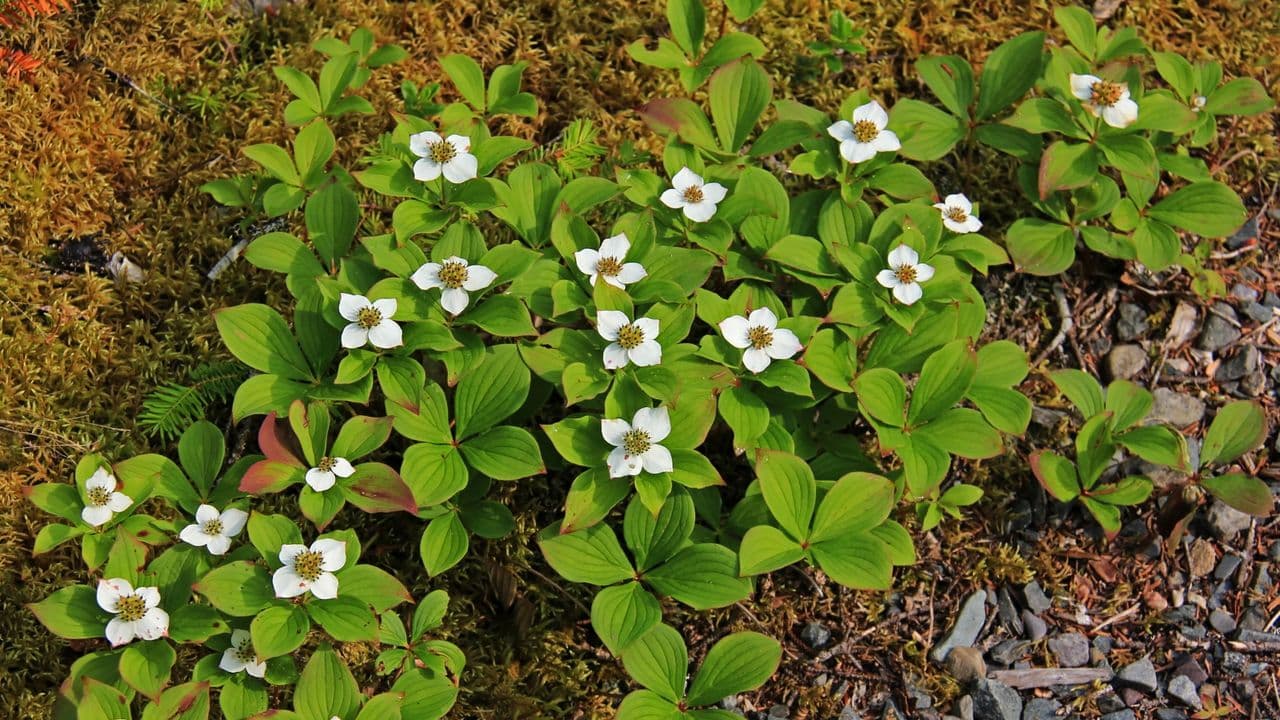
Why Ground Cover Plants Are Your Best Weapon Against Weeds
Every gardener knows the frustration of spending a weekend pulling weeds, only to find them back in full force a week later. Chemical herbicides can damage the soil ecosystem, and mulch alone only goes so far. The most sustainable, visually rewarding solution is one that nature itself offers: strategic ground cover planting. When you fill empty soil with dense, spreading plants, you eliminate the very conditions weeds need to thrive — namely, bare soil and open sunlight.
Ground cover plants work by forming a living mat that blocks light from reaching the soil surface, preventing weed seeds from germinating. Many varieties also release natural compounds through their roots that inhibit competing plant growth, a process known as allelopathy. Beyond weed suppression, these plants protect soil from erosion, regulate moisture levels, and can dramatically reduce the time you spend on garden maintenance.
Whether you're working with a sunny slope, a shady corner, or a high-traffic pathway, there is a ground cover plant perfectly suited to your conditions. Here are seven of the best varieties to consider for a weed-free, beautiful garden.
7 Ground Cover Plants That Naturally Suppress Weeds
1. Creeping Thyme (Thymus serpyllum)
Creeping thyme is one of the hardest-working ground covers available to home gardeners. This low-growing perennial forms a dense, fragrant carpet that reaches only two to three inches in height, making it ideal for pathways, rock gardens, and sunny slopes. It produces tiny clusters of pink, purple, or white flowers in early summer, attracting pollinators while crowding out weeds with its thick mat of fine-textured foliage.
Creeping thyme thrives in full sun and well-drained soil, and it is remarkably drought-tolerant once established. It can even handle light foot traffic, which makes it a popular choice between stepping stones. Plant it in spring or early autumn for best results, spacing plugs about six to twelve inches apart to encourage rapid coverage.
2. Ajuga (Ajuga reptans)
Also known as bugleweed, ajuga is a powerhouse ground cover for shaded and partially shaded areas where many other plants struggle. Its glossy, rosette-forming leaves spread rapidly via horizontal runners, quickly filling gaps where weeds would otherwise take hold. In spring, ajuga sends up striking spikes of blue, purple, or pink flowers that add a welcome burst of color to dim corners of the garden.
One of ajuga's greatest strengths is its adaptability. It tolerates poor soil, moderate drought, and even brief periods of waterlogging. Varieties like 'Black Scallop' and 'Burgundy Glow' offer colorful, variegated foliage that remains attractive year-round, giving you both beauty and function in a single plant.
3. Pachysandra (Pachysandra terminalis)
Pachysandra is the gold standard of ground cover for deep shade situations, particularly under large trees where grass refuses to grow and weeds constantly encroach. This evergreen perennial forms a uniform, weed-smothering carpet of glossy green leaves, and once established, it requires virtually no maintenance. It spreads steadily through underground stems, filling large areas over two to three seasons.
Plant pachysandra in rich, moist, well-drained soil enriched with organic matter. While it is slow to establish in its first year, patience is well rewarded — a mature stand of pachysandra is nearly impenetrable to weeds and requires no mowing, little watering, and no fertilizing beyond an occasional top dressing of compost.
4. Creeping Jenny (Lysimachia nummularia)
Creeping Jenny is a fast-spreading ground cover that thrives in moist conditions, making it perfect for pond edges, rain gardens, and consistently damp borders. Its bright chartreuse or golden-green leaves form a lush, trailing carpet that suppresses weeds effectively while adding vibrant color to the landscape. The golden-leaved variety 'Aurea' is especially popular for brightening shady, wet spots.
Because of its vigorous growth habit, creeping Jenny should be planted thoughtfully — it can spread quite aggressively and may need to be contained in smaller garden beds. In larger areas or naturalistic settings, however, this vigorous spread is precisely what makes it such an effective weed suppressant.
5. Vinca Minor (Vinca minor)
Vinca minor, commonly called periwinkle or lesser periwinkle, is one of the most reliable and widely used ground covers for weed control in both sun and shade. Its trailing stems root wherever they touch the soil, creating a dense, evergreen mat that blocks weeds almost completely. In spring, its cheerful blue-violet flowers add a splash of color that belies just how tough this plant really is.
Vinca thrives in a wide range of soil types and light conditions, tolerates drought once established, and holds slopes well, preventing erosion. It spreads steadily without becoming unmanageable in most garden settings, and it is rarely bothered by pests or disease, making it one of the lowest-maintenance options on this list.
6. Lamb's Ear (Stachys byzantina)
For gardeners who want ground cover with serious visual impact, lamb's ear delivers with its distinctive silver-gray, velvety foliage. The thick, soft leaves spread outward in a rosette pattern, forming a dense, weed-blocking layer at ground level. Lamb's ear performs best in full sun with well-drained soil, and it is exceptionally drought-tolerant — an excellent choice for hot, dry climates or challenging rocky borders.
Beyond its practical weed-suppressing role, lamb's ear adds year-round textural interest to the garden and pairs beautifully with flowering perennials, acting as a soft, silvery foil to brighter blooms. Remove flower stalks promptly in humid climates to maintain the plant's vigor and prevent any center dieback.
7. Sedum (Sedum spurium and related species)
Creeping sedums are among the best ground covers for hot, sunny, dry conditions where few other plants survive. These succulent perennials store water in their fleshy leaves, enabling them to outcompete weeds even in rocky or sandy soil with minimal irrigation. Varieties like 'Dragon's Blood' and 'Tricolor' offer striking foliage in shades of red, green, and cream, topped by bright star-shaped flowers in summer.
Sedum spreads at a moderate pace, forming a thick, water-wise mat that chokes out most weeds while requiring almost no supplemental care. Plant in full sun and ensure excellent drainage to keep these plants thriving for many years.
Tips for Maximizing Weed Suppression With Ground Covers
- Prepare the soil thoroughly before planting. Remove all existing weeds by hand or smother them under cardboard for several weeks before installing your ground cover. Starting with a clean slate gives your plants a head start.
- Plant at the right spacing. While it may be tempting to space plants far apart to save cost, tighter spacing means faster coverage and fewer opportunities for weeds to establish between plants.
- Mulch the gaps initially. Apply two to three inches of organic mulch between new plants while they are filling in. This suppresses weeds in the short term and improves soil health as it breaks down.
- Water consistently in the first season. Establishing ground cover plants quickly is the best long-term strategy for weed control. Consistent moisture in year one leads to dense coverage that does the hard work for years to come.
- Combine varieties for layered coverage. Using a mix of low-growing and slightly taller ground covers creates a more complex, weed-resistant planting that is also more visually interesting.
Final Thoughts
Investing in the right ground cover plants is one of the most effective long-term strategies you can adopt for a lower-maintenance, weed-resistant garden. Rather than fighting nature with chemicals and constant labor, these seven plants work with the natural tendencies of plant growth to create dense, beautiful, self-sustaining landscapes. Choose varieties suited to your specific conditions — light levels, soil type, and moisture availability — and you will be rewarded with a garden that looks great and largely takes care of itself.
Start small if needed, perhaps filling one problem area this season, and expand your ground cover planting year by year. The results — fewer weeds, less time spent on maintenance, and a more attractive outdoor space — are well worth the initial effort.