
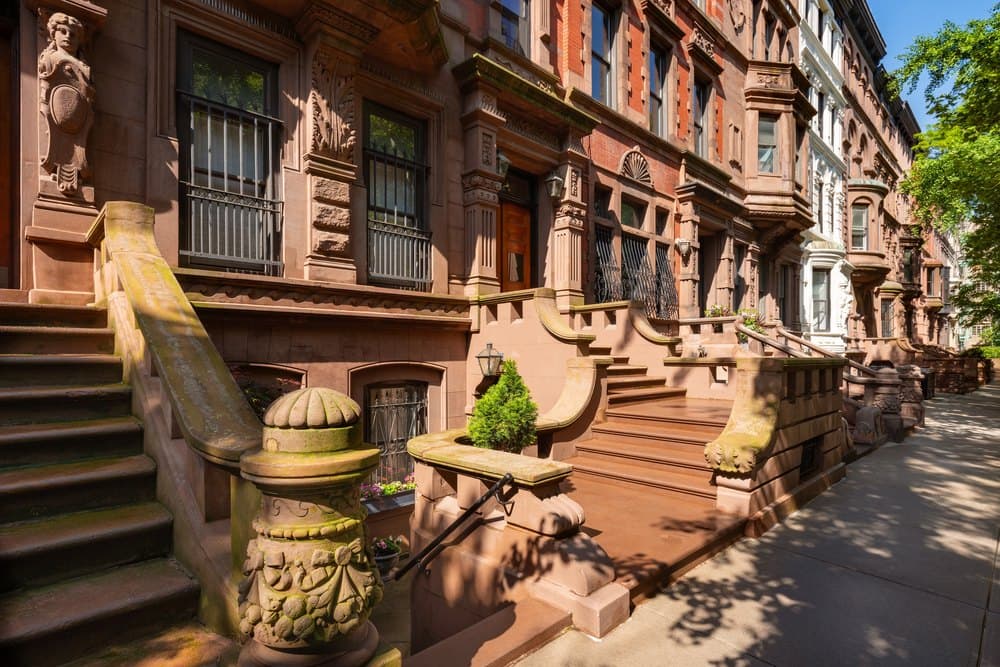
The Brownstone's Unlikely Journey to Iconic Status
Few architectural stories in American real estate are as compelling — or as surprising — as the rise of the brownstone. What began as a cost-cutting construction solution in 19th-century cities has evolved into one of the most sought-after and photographed residential styles in the country. Today, a classic brownstone in New York City, Boston, or Philadelphia can command millions of dollars, attract tourists, and serve as the backdrop for some of pop culture's most beloved scenes. But the path from humble row house to million-dollar metropolis luxury was anything but straightforward.
What Exactly Is a Brownstone?
A brownstone is a type of row house built primarily from a warm, reddish-brown sandstone material known as — you guessed it — brownstone. The stone was quarried in large quantities across the northeastern United States, particularly in Connecticut and New Jersey, making it an accessible and affordable building material throughout the 1800s. These homes were typically constructed in long, uniform rows, sharing side walls with neighboring properties, which further reduced construction costs.
Brownstones generally feature a distinctive set of architectural elements that have become instantly recognizable over time. These include the classic stoop — a set of front steps leading up to the main entrance — ornate cornices, tall windows, and high ceilings inside. While these features are now celebrated for their elegance, many were originally driven by function rather than aesthetics.
Humble Beginnings: Built for Practicality, Not Prestige
When brownstones first began appearing along the East Coast in the 19th century, they were considered anything but glamorous. Cities like New York, Boston, Philadelphia, and Washington, DC, saw a surge in their construction, largely because they offered a far cheaper alternative to the grand marble estates that wealthy residents occupied. The working and middle classes needed housing as urban populations swelled, and developers needed an economical solution — brownstone fit the bill perfectly.
Even the iconic stoops, now a defining symbol of brownstone charm and a magnet for tourist photos, were not designed for aesthetics. They served an entirely practical — and rather unglamorous — purpose: elevating the front entrance above street level to keep residents away from the manure and waste that covered city streets during the era of horse-drawn carriages. Sanitation in 19th-century cities was rudimentary at best, and the raised stoop was simply a necessary design adaptation to daily urban life.
In short, when brownstones were built, they represented necessity, not luxury. They were the affordable housing solution of their time.
The Long Decline: Decades of Neglect
As the 20th century progressed and American cities evolved, brownstones fell out of favor in a significant way. By the mid-1900s, many of these once-occupied homes were sitting empty and boarded up, abandoned by families who had moved on to what were then considered more desirable and modern dwellings. Suburbs were booming, sleek modernist architecture was in vogue, and the old sandstone row houses lining city blocks were seen as relics of a bygone era — outdated, drafty, and unfashionable.
In several neighborhoods, particularly in Brooklyn, New York, rows of brownstones fell into disrepair. Neglected and undervalued, they became symbols of urban decay rather than aspiration. For decades, the brownstone was the pariah of the property world, avoided by buyers with means and overlooked by developers with vision.
The Revival: How the 1960s and 1970s Changed Everything
The turning point for the American brownstone came during the 1960s and 1970s, when a cultural shift in how people viewed cities and urban living began to take hold. As the counterculture movement flourished and a new generation of city dwellers sought authentic, characterful homes over cookie-cutter suburban properties, the brownstone started attracting a new kind of buyer. Architects, artists, and urban pioneers began snapping up neglected brownstones at low prices and restoring them to their former — and in many cases, far greater — glory.
This wave of urban renewal and brownstone renovation laid the groundwork for what would eventually become an extraordinary real estate appreciation story. Neighborhoods like Brooklyn Heights, Park Slope, and Harlem in New York City became hotbeds of brownstone restoration, and the properties began commanding prices that would have seemed unthinkable just decades earlier.
Pop Culture and the Million-Dollar Brownstone
The cultural cachet of the brownstone received a significant boost through its repeated appearances in film and television. Iconic productions like Sex and the City and Home Alone 2 featured New York City brownstones prominently, cementing their status as symbols of sophisticated urban living in the public imagination. Every appearance on screen only deepened the brownstone's mystique and desirability.
Today, well-preserved brownstones in prime New York City neighborhoods routinely list for several million dollars. What was once built as affordable housing for the working class has become one of the most exclusive real estate categories in the country.
Why Buyers Still Love the Brownstone
Beyond the history and the hype, there are practical reasons why brownstones remain so desirable in today's market. Key attractions include:
- Architectural character: Original details like ornate moldings, original hardwood floors, and high ceilings offer a richness that new construction rarely replicates.
- Prime urban locations: Most brownstones are situated in well-established, walkable city neighborhoods with strong community identities.
- Space and flexibility: Many brownstones are multi-story, offering generous square footage by urban standards, and can be converted into multi-family properties for rental income.
- Timeless curb appeal: The warm sandstone facade and classic stoop create an instantly appealing streetscape that has endured for over a century.
A True Real Estate Redemption Story
The brownstone's journey — from a cheap 19th-century construction shortcut designed to keep residents clear of horse manure, through decades of neglect and abandonment, to its current status as one of urban America's most coveted residential prizes — is one of the great redemption arcs in real estate history. It is a story that reflects the ever-shifting values of American city life, architectural taste, and the enduring appeal of authenticity in an age of mass production. Whether you are a history enthusiast, a real estate investor, or simply someone who stops to admire a handsome stoop on a city street, the brownstone has a story worth knowing.