
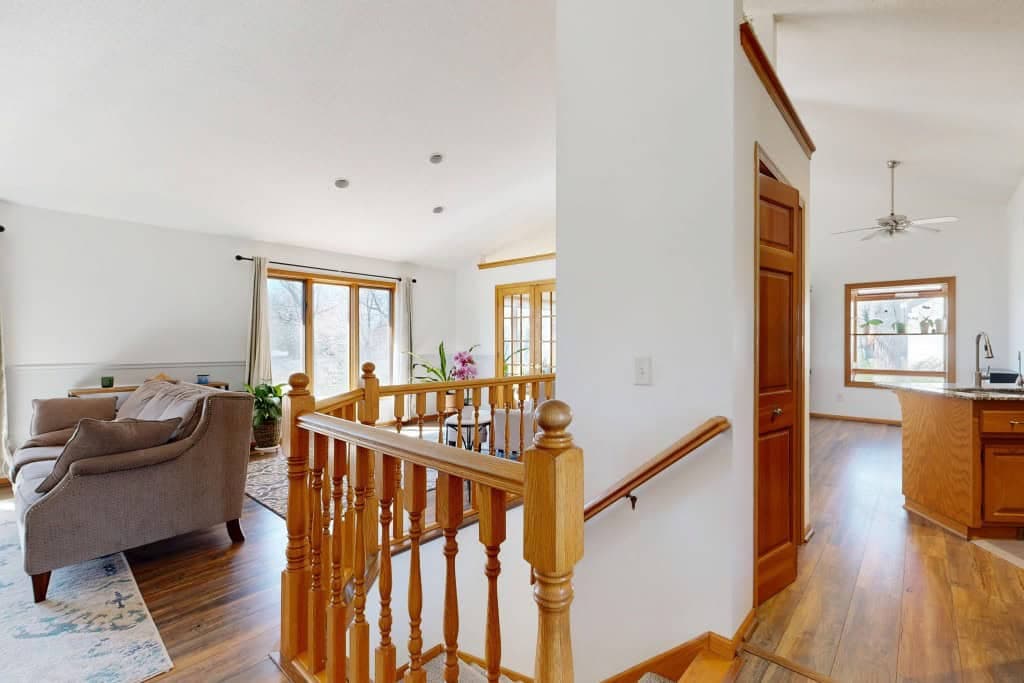
Why Home Listing Photos Deserve More Than a Quick Scroll
Online listings have fundamentally changed the way people shop for homes. Most buyers now spend hours scrolling through photos before ever stepping foot inside a property. While that convenience is undeniable, it also means that a carefully curated set of images can make a troubled home look surprisingly appealing — or at least conceal its problems just long enough to get you through the door.
The truth is, listing photos are a form of marketing. Sellers and their agents choose which rooms to photograph, which angles to use, and how much digital editing to apply. That doesn't mean every listing is hiding something sinister, but it does mean you need to view those images with a critical eye. Knowing what to look for when viewing house photos can save you a wasted showing, a costly inspection surprise, or worse — a home purchase you come to regret.
Here are some of the most common red flags in home listing photos that buyers should never overlook.
Missing Rooms or Obvious Gaps in the Photo Gallery
One of the clearest signals that something may be wrong is a photo gallery that seems incomplete. A typical home listing will include images of the living room, kitchen, bedrooms, bathrooms, and often the basement or garage. When one or more of these standard spaces is conspicuously absent, it's worth asking why.
A missing bathroom photo might mean the fixtures are outdated, damaged, or poorly maintained. A skipped basement could indicate water intrusion, structural issues, or unfinished spaces that aren't up to code. If the listing shows ten photos of the backyard and zero of the master bathroom, that imbalance is telling you something.
Before scheduling a showing, count the rooms and compare them against what's actually photographed. If major spaces are missing, make a note to ask the agent directly — or plan to scrutinize those areas closely when you visit in person.
Heavy Editing, Strange Lighting, and Unusual Angles
Professional real estate photography is standard practice, and there's nothing wrong with wide-angle lenses or good lighting. But there's a meaningful difference between flattering photography and photography that appears designed to mislead. Watch for these specific visual cues:
- Extremely wide-angle shots that make rooms appear much larger than they actually are. If a bedroom looks spacious in the photo but the listing says it's only 9x10 feet, the lens is doing a lot of heavy lifting.
- Dark or poorly lit areas within an otherwise bright photo. Sellers or photographers sometimes avoid lighting a specific corner, wall, or ceiling — often because there's water damage, mold, or a crack they'd rather you not notice.
- Strategic furniture placement that blocks walls, floors, or architectural features. A large area rug placed awkwardly in the center of a room, for example, may be covering damaged flooring.
- Heavily filtered or digitally brightened images that make it difficult to assess the true condition of surfaces like walls, ceilings, and floors.
Trust your instincts. If a photo looks like it went through significant post-processing or the composition seems oddly specific, take note of what might be just outside the frame.
Visible Water Stains, Cracks, and Ceiling Damage
Sometimes red flags aren't hidden at all — they're hiding in plain sight. Water stains on ceilings, visible cracks along walls or around window frames, and discoloration near baseboards are all signs of potential moisture problems or structural concerns. These issues can be expensive to repair and may point to recurring problems that a quick fix won't resolve.
Zoom in when you can. Many listing platforms allow you to expand photos, and a closer look at ceiling corners, window trim, and floor edges can reveal staining or damage that's easy to overlook at thumbnail size. Even minor-looking water marks can indicate a history of roof leaks, plumbing issues, or poor drainage.
Outdated Electrical Panels, Exposed Wiring, or Old HVAC Equipment
Photos of utility spaces like the laundry room, basement, or garage sometimes inadvertently capture the home's mechanical systems. If you spot an older electrical panel, exposed or improper wiring, or an HVAC unit that looks like it belongs in a different decade, these are worth flagging. Electrical upgrades and HVAC replacements are among the more costly repairs a new homeowner can face.
Similarly, if photos show window unit air conditioners throughout the home rather than a central system, that may reflect both a comfort limitation and a potential energy cost issue depending on the climate.
Exterior Photos That Avoid the Roof or Foundation
Most listing photo sets include at least one exterior shot of the front of the home. But if there are no photos showing the roof, the foundation line, or the sides and back of the house, it's reasonable to wonder why. Sellers are generally proud to show off a well-maintained exterior. When those angles are conspicuously missing, the roof may be aging, the siding may be damaged, or there may be grading issues near the foundation that allow water to collect.
Pay attention to what the exterior shots do show. Peeling paint, moss on the roof visible in the background, or overgrown landscaping that crowds the foundation can all hint at deferred maintenance.
What to Do When You Spot Red Flags
Noticing a potential red flag in listing photos doesn't mean you should automatically walk away from a property. It means you should go into any showing — and especially any inspection — with those specific concerns already on your radar. Come prepared with questions for the seller's agent, and make sure your home inspector knows which areas you'd like examined closely.
Listing photos are a starting point, not a complete picture. The more carefully you study them before scheduling a visit, the more informed and confident you'll be when it's time to make decisions. In a competitive market, that kind of preparation isn't just smart — it's essential.