
Congress Finally Breaks Housing Gridlock With Landmark Bipartisan Bill
After months of stalled negotiations, lengthy floor debates, and intense lobbying from housing advocates and industry groups alike, Congress has reached a significant compromise on one of the most comprehensive housing reform packages in recent memory. The 21st Century Road to Housing Act is now on the verge of final passage, setting the stage for President Donald Trump to sign it into law. For millions of Americans struggling with housing affordability and limited inventory, this moment could mark a genuine turning point.
What Is the 21st Century Road to Housing Act?
The 21st Century Road to Housing Act is a sweeping legislative package designed to address the nation's persistent housing shortage and affordability crisis. The bill contains 45 distinct provisions that span a wide range of policy areas, from community development funding to restrictions on large institutional investors purchasing single-family homes. What makes this bill particularly notable is its bipartisan character — negotiators from both the House and Senate, as well as both major parties, have had priorities included in the final language.
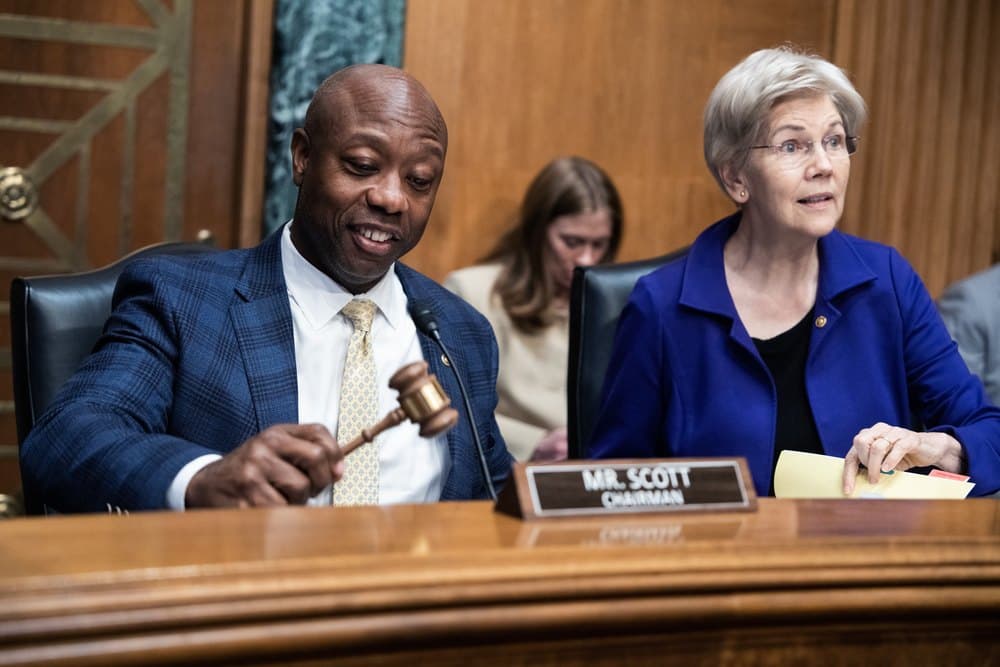
Senator Elizabeth Warren (D-Massachusetts), one of the bill's prominent supporters, highlighted the breadth of the legislation on the Senate floor. "There is so much in this bill, each piece directing us toward increasing the supply of housing, bringing down the cost," she said. Her comments underscore the central goal of the legislation: to make housing more accessible and affordable for everyday Americans by expanding supply and reducing speculative demand.
How Did Congress Get Here? A Long Road to Compromise
The path to this compromise was anything but smooth. The bill faced months of gridlock as the House and Senate traded competing versions of the legislation, with each chamber fighting to preserve its own priorities. Lobbying from major real estate organizations, including the National Association of Realtors (NAR), added additional complexity to the negotiations, as various stakeholders pushed for provisions that served their interests.
Despite those headwinds, lawmakers ultimately managed to bridge the gap. The Senate voted an overwhelming 87-8 on Tuesday night to take up the House's amended version of the bill — a margin that speaks to the rare level of bipartisan consensus achieved. With both chambers having agreed on the full language of the bill's dozens of housing provisions, a final vote in the coming days appears likely before the legislation heads to the White House.
Key Provisions in the Final Bill
While the bill is wide-ranging, several provisions stand out as especially consequential for the housing market and for American homebuyers and renters.
Institutional Investor Ban
One of the most closely watched elements of the final bill is the institutional investor ban, which restricts large corporate investors from purchasing single-family homes. Critics of institutional buying have long argued that hedge funds and large real estate investment entities drive up home prices and reduce the inventory available to individual buyers, particularly first-time homebuyers. This provision directly targets that concern and has been championed by consumer advocates and progressive lawmakers alike.
Community Development Block Grant Updates
The bill also includes meaningful updates to the Community Development Block Grant (CDBG) program, a federal initiative that provides communities with resources to address a wide range of development needs, including affordable housing. Modernizing this program is expected to better target funding where housing shortfalls are most acute, helping local governments and nonprofits build or rehabilitate housing units in underserved areas.
Funded Programs to Boost Housing Supply
Beyond the investor ban and CDBG reforms, the legislation includes several dedicated funding programs aimed directly at expanding the nation's housing supply. These programs are intended to incentivize new construction, reduce regulatory barriers at the local level, and support workforce housing initiatives that serve middle-income families who often fall through the cracks between market-rate and subsidized housing.
What Happens Next: The Path to Presidential Signature
Procedurally, the bill still requires one final step before it reaches the President's desk. The House must formally concur with the Senate's latest round of changes — a procedural vote that is expected to move quickly given the strong support the bill has already demonstrated. Once the House acts, the legislation will be sent to President Trump for his signature, at which point it becomes law.
The timing matters. Housing economists and advocates have stressed for years that the United States faces a structural deficit of millions of homes relative to demand. Every month of delay translates into higher rents, higher purchase prices, and fewer options for buyers and renters across the income spectrum. The imminent passage of the 21st Century Road to Housing Act represents a rare moment when Washington appears ready to take meaningful action on that problem.
What This Means for Homebuyers, Renters, and the Market
For ordinary Americans, the implications of this legislation could be far-reaching, though the full effects will take time to materialize. Policies that increase housing supply and reduce speculative investor activity don't produce overnight results, but they do lay important groundwork for a more balanced and accessible housing market in the years ahead.
- First-time homebuyers may find more inventory available as institutional investors face new restrictions on bulk single-family home purchases, potentially easing competition in entry-level price ranges.
- Renters in communities that receive updated CDBG funding could see new affordable housing units developed or existing ones improved, expanding their options in tight rental markets.
- Real estate developers and builders may benefit from streamlined programs and federal support for new construction, helping address the supply gap that has pushed prices upward for years.
- Local governments gain more tools and funding flexibility to tailor housing solutions to their specific regional needs, rather than relying on one-size-fits-all federal mandates.
A Rare Bipartisan Win on a Pressing National Issue
In a political environment defined by sharp partisan divisions, the 87-8 Senate vote and the broader bipartisan agreement on the 21st Century Road to Housing Act is a notable achievement. Housing affordability has long been a concern that crosses party lines — whether framed as an economic freedom issue, a community development priority, or a matter of basic quality of life, voters across the political spectrum have felt the squeeze of a housing market that hasn't kept pace with demand.
This legislation won't solve the housing crisis overnight. Structural affordability challenges, zoning restrictions at the local level, labor shortages in construction, and elevated interest rates all continue to weigh on the market. But the 21st Century Road to Housing Act represents a meaningful federal commitment to tackling these issues head-on, with a comprehensive set of tools that reflect the complexity of the problem itself.
As final votes approach and the President prepares to sign, housing advocates, industry professionals, and prospective homebuyers will be watching closely — hopeful that this long-awaited compromise marks the beginning of a more balanced and attainable housing future for Americans across the country.