
Congress Passes the 21st Century Road to Housing Act with Sweeping Bipartisan Support
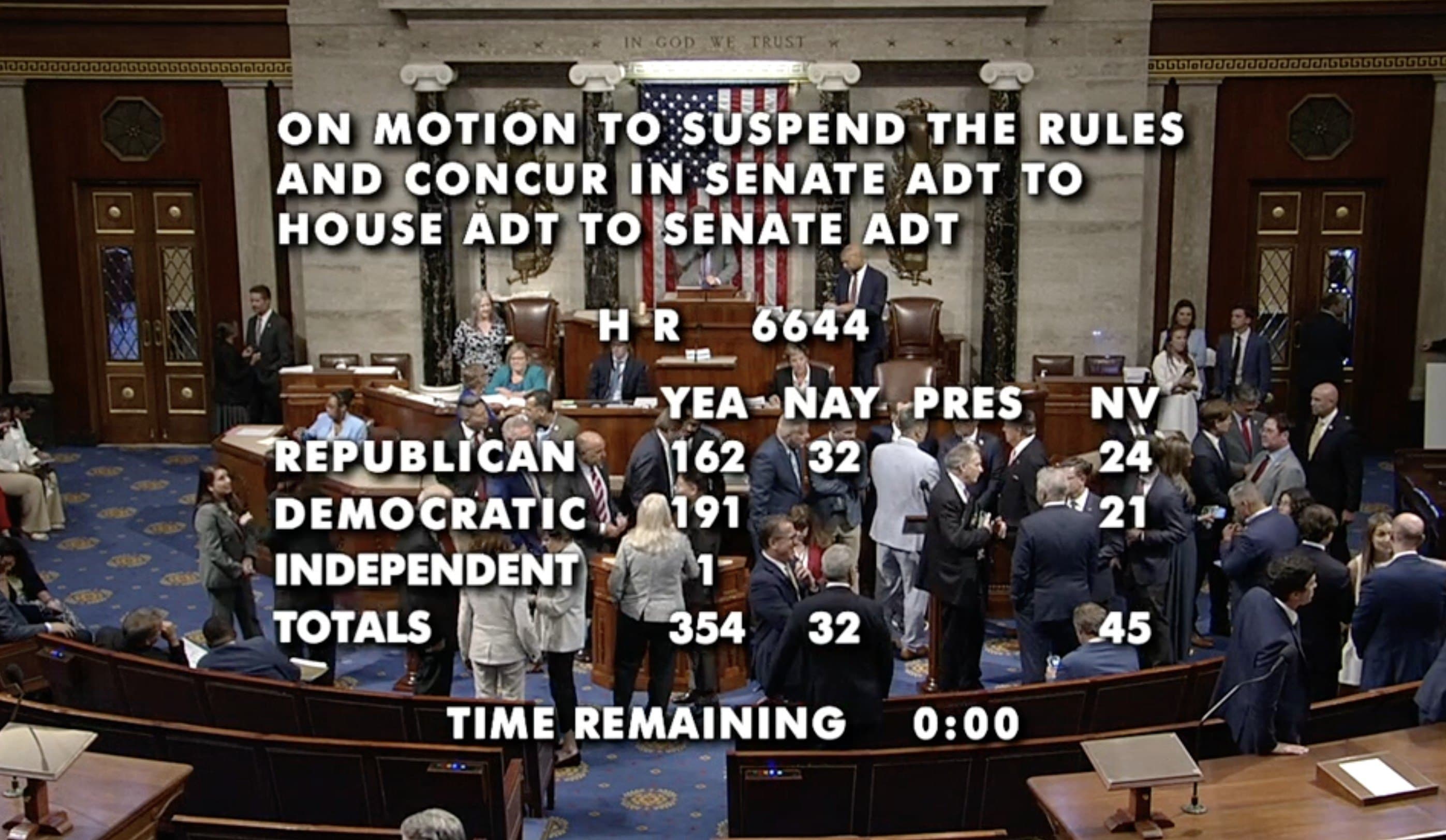
In a rare display of bipartisan unity, the United States Congress has passed one of the most significant pieces of housing legislation in decades. The 21st Century Road to Housing Act cleared the Senate by a vote of 85–5 and was swiftly followed by a 358–32 vote in the House, setting the stage for President Donald Trump to sign it into law. For millions of Americans struggling with housing costs, this moment has been a long time coming — and its impact could reshape the real estate landscape for years to come.
What Is the 21st Century Road to Housing Act?
The 21st Century Road to Housing Act is a comprehensive housing reform bill containing 45 distinct provisions designed to address the root causes of the nation's housing affordability crisis. Rather than focusing on a single fix, the legislation takes a multi-pronged approach, targeting everything from regulatory barriers and construction bottlenecks to financing challenges and land use restrictions.
At its core, the bill is built around a simple premise: the United States does not have enough homes. Years of underbuilding, rising material costs, restrictive zoning laws, and lengthy permitting processes have left the country millions of housing units short of what its population needs. The 21st Century Road to Housing Act attempts to dismantle many of those structural barriers at once.
The legislation was the product of months of contentious negotiations between senators, representatives, housing advocates, real estate industry groups, and financial institutions. After an extended period of congressional gridlock, lawmakers from both sides of the aisle announced a bipartisan compromise last week, paving the way for the rapid votes that followed.
Key Provisions: What Does the Bill Actually Do?
While the full list of provisions is extensive, several key areas stand out as particularly impactful for homebuyers, renters, builders, and investors.
Cutting Red Tape and Streamlining Permitting
One of the bill's central goals is to reduce the bureaucratic hurdles that slow down new housing construction. Permitting delays are one of the most cited obstacles for builders, often adding months or even years — and significant costs — to development projects. The legislation introduces measures to streamline federal permitting processes and encourages states and municipalities to adopt faster approval timelines for residential construction.
By reducing these regulatory bottlenecks, proponents of the bill argue that builders will be able to bring more units to market more quickly, helping to ease the supply shortage that has driven home prices and rents to record highs in many parts of the country.
Incentivizing New Home Construction
Beyond cutting red tape, the bill includes financial incentives designed to make it more attractive for developers to build new homes — especially affordable and workforce housing. Tax credits, grants, and other tools are woven throughout the legislation to encourage private investment in residential development in areas where the need is most acute.
Smaller builders and nonprofit housing developers are expected to benefit from provisions that lower the barriers to entry and reduce upfront costs, potentially diversifying the types of housing being built and who is building them.
Addressing Banking and Mortgage Access
The bill also contains provisions related to banking deregulation and mortgage access, aiming to make it easier for prospective buyers — particularly first-time and lower-income buyers — to qualify for home loans. These measures are designed to complement the supply-side reforms by ensuring that once more homes are built, buyers actually have the financial tools to purchase them.
Restrictions on Institutional Investors
One of the more contentious elements of the negotiations involved the role of large institutional investors in the single-family housing market. The final bill reportedly includes provisions that place new limits on bulk purchases of single-family homes by large investors — a practice that critics argue drives up prices and removes homes from the market for owner-occupants and families.
Why This Bill Matters: The Housing Crisis in Context
To understand why this legislation is so consequential, it helps to put the current housing crisis in perspective. Home prices have surged dramatically over the past several years, and mortgage rates have remained elevated, pricing many would-be buyers out of the market entirely. Rental costs have similarly climbed in most major metro areas, straining household budgets and contributing to broader economic anxiety.
Experts across the political spectrum largely agree that the fundamental issue is one of supply: there are simply not enough homes being built to keep pace with demand. The 21st Century Road to Housing Act represents Congress's most ambitious attempt yet to address that supply gap through federal action.
What Happens Next?
With both chambers having passed the bill by wide margins, President Donald Trump is expected to sign it into law. Once signed, federal agencies will begin the process of implementing the bill's many provisions, a process that will likely unfold over months and years.
Real estate professionals, homebuilders, and housing advocates will be watching closely to see how quickly the legislation translates into tangible results on the ground — more homes built, faster approvals, and ultimately, greater affordability for buyers and renters alike.
What It Means for Homebuyers and Renters
For everyday Americans, the effects of this legislation may not be felt overnight. Housing markets are slow-moving by nature, and it will take time for new supply to work its way through the pipeline. However, the directional signal is clear: federal policy is now firmly oriented toward building more homes and removing the barriers that have held construction back.
- Homebuyers may eventually benefit from a broader selection of homes at more competitive prices as new inventory comes to market.
- Renters could see relief as increased housing supply puts downward pressure on rents in high-cost markets.
- First-time buyers may find it easier to access mortgage financing under the bill's lending-related provisions.
- Builders and developers stand to benefit from reduced regulatory costs and new financial incentives tied to housing construction.
A Turning Point for U.S. Housing Policy
The passage of the 21st Century Road to Housing Act marks a genuine turning point in how the federal government approaches housing affordability. For too long, meaningful reform was stalled by political disagreement, competing interests, and the sheer complexity of the issue. The bipartisan nature of this bill — passing with overwhelming majorities in both chambers — suggests a rare moment of consensus that housing advocates hope will translate into lasting change.
Whether the bill fully delivers on its ambitious promises remains to be seen. But for millions of Americans who have been locked out of homeownership or burdened by soaring rents, the 21st Century Road to Housing Act offers something that has been in short supply for years: hope that the housing crisis can actually be solved.