
Congress Breaks Housing Gridlock With Landmark Bipartisan Bill
After months of stalled negotiations, fierce lobbying, and procedural standoffs, Congress has finally reached a compromise on one of the most sweeping housing reform packages in recent memory. The 21st Century Road to Housing Act is now positioned for final passage, with the Senate voting an overwhelming 87-8 to advance the House's amended version of the bill. If all goes as expected in the coming days, the legislation will land on President Donald Trump's desk for his signature — a moment that housing advocates, real estate professionals, and millions of prospective homebuyers have been waiting for.
So what exactly is in this bill, why did it take so long to get here, and what does it mean for the average American trying to find an affordable place to live? Here is everything you need to know.
What Is the 21st Century Road to Housing Act?
The 21st Century Road to Housing Act is a comprehensive legislative package designed to address the persistent and worsening housing affordability crisis in the United States. The final version of the bill contains 45 distinct provisions, each targeting a different piece of the complex puzzle that has made homeownership increasingly out of reach for millions of Americans and pushed rental prices to historic highs in cities across the country.
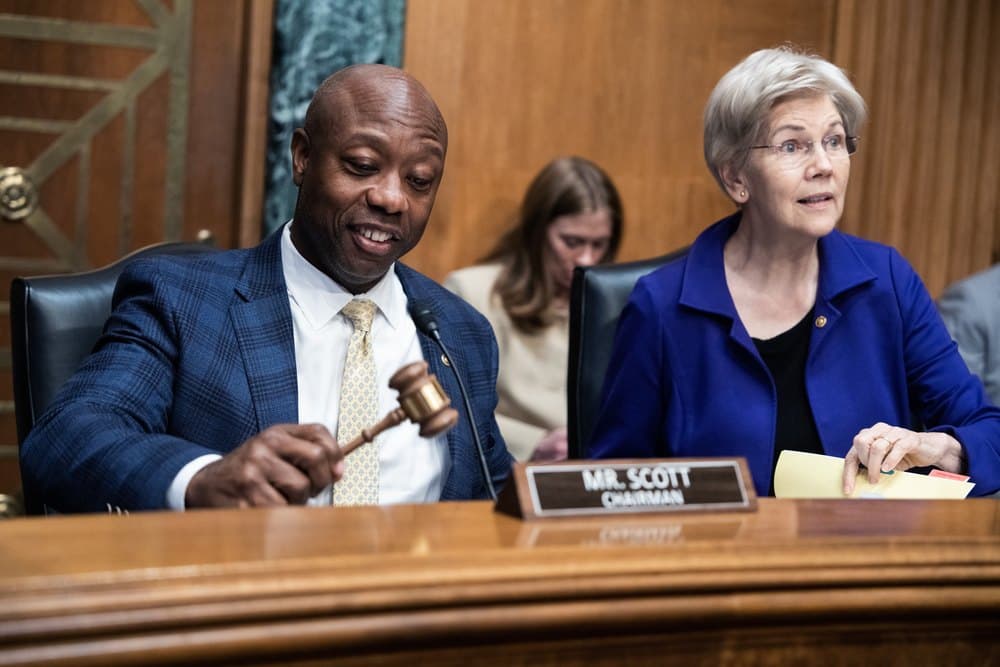
Senator Elizabeth Warren (D-Massachusetts), one of the bill's key champions, described the scope of the legislation in glowing terms on the Senate floor. "There is so much in this bill, each piece directing us toward increasing the supply of housing, bringing down the cost," Warren said. The senator's words underscore the dual focus of the legislation: production and affordability — two goals that policymakers have often struggled to pursue simultaneously.
Notably, the bill reflects priorities from both chambers of Congress and both major political parties, making it a rare example of genuine bipartisan cooperation on a domestic policy issue of this magnitude.
Key Provisions in the Final Bill
While the full text of the legislation runs to dozens of detailed provisions, several stand out as particularly significant for the housing market and for everyday Americans:
Updates to the Community Development Block Grant Program
The Community Development Block Grant (CDBG) program has long been a critical federal tool for funding local housing and community development initiatives. The bill includes meaningful updates to this program, expanding its scope and improving how funds can be deployed at the local level. These changes are expected to give cities and counties more flexibility to address their specific housing challenges, whether that means building new affordable units, rehabilitating aging housing stock, or supporting infrastructure improvements that unlock new residential development.
Institutional Investor Ban
Perhaps the most headline-grabbing element of the final bill is the inclusion of a ban on institutional investors purchasing certain types of residential properties. Large investment firms and hedge funds have come under intense scrutiny in recent years for buying up single-family homes at scale, a practice that many economists and housing advocates argue artificially inflates prices and squeezes out first-time buyers. The institutional investor ban provision represents a direct legislative response to that concern, and its inclusion in the final package signals that Congress is serious about leveling the playing field for individual homebuyers.
Funded Programs to Boost Housing Supply
The bill also allocates funding to several programs specifically designed to increase the overall supply of housing in the United States. A fundamental principle driving much of the legislation is that the primary driver of the affordability crisis is a simple supply-and-demand imbalance — there are not enough homes being built to meet the needs of a growing population. By directing federal dollars toward programs that incentivize new construction, reduce regulatory barriers, and support workforce housing development, the bill aims to address this shortfall at its root.
A Long Road to Compromise
The path to this moment was anything but smooth. The 21st Century Road to Housing Act has been the subject of months of intense negotiations between the House and Senate, with both chambers pushing for their own priorities and resisting concessions from the other side. Lobbying efforts from major industry groups, including the National Association of Realtors, added another layer of complexity to the legislative process.
There were points during the negotiations when the bill appeared genuinely at risk of collapsing under the weight of competing interests and political pressures. The 87-8 Senate vote to advance the House-amended version, however, is a clear signal that lawmakers on both sides of the aisle have decided that passing an imperfect bill is far better than passing nothing at all — a calculation that reflects the severity of the housing crisis facing their constituents.
What Happens Next?
Procedurally, the next step is for the House to concur one final time with the Senate's changes to the bill. Once that happens, the legislation will be sent to President Trump for his signature, at which point it officially becomes law. A final vote in both chambers is expected within days, meaning the bill could be signed into law very soon.
Real estate professionals, housing developers, and advocacy groups are watching closely, and many are already beginning to analyze how the bill's provisions will affect their markets and communities once implementation begins.
Why This Matters for Homebuyers and Renters
For the millions of Americans who have been priced out of homeownership or are struggling to afford rent, the 21st Century Road to Housing Act represents a significant, if long-overdue, federal commitment to tackling the housing crisis head-on. The combination of supply-side investments, regulatory reforms, and targeted protections like the institutional investor ban creates a multi-pronged approach that housing economists generally view as more effective than any single-policy solution.
That said, legislation alone cannot fix a housing market that has been out of balance for decades. Local zoning laws, construction labor shortages, rising material costs, and interest rate environments will all continue to shape what homes cost and how many get built. But a comprehensive federal framework — backed by real funding and enforceable rules — gives states, cities, and developers a much stronger foundation to work from.
The Bottom Line
The 21st Century Road to Housing Act is the most significant piece of federal housing legislation in years, and its near-passage reflects a growing bipartisan recognition that the status quo is simply no longer acceptable. With 45 provisions targeting everything from housing supply to institutional investor behavior and community development funding, the bill takes a sweeping approach to a problem that has resisted easy solutions for far too long. As Congress moves toward a final vote and a likely presidential signature, the housing market may be on the cusp of a new era — one shaped in meaningful ways by this landmark compromise.