
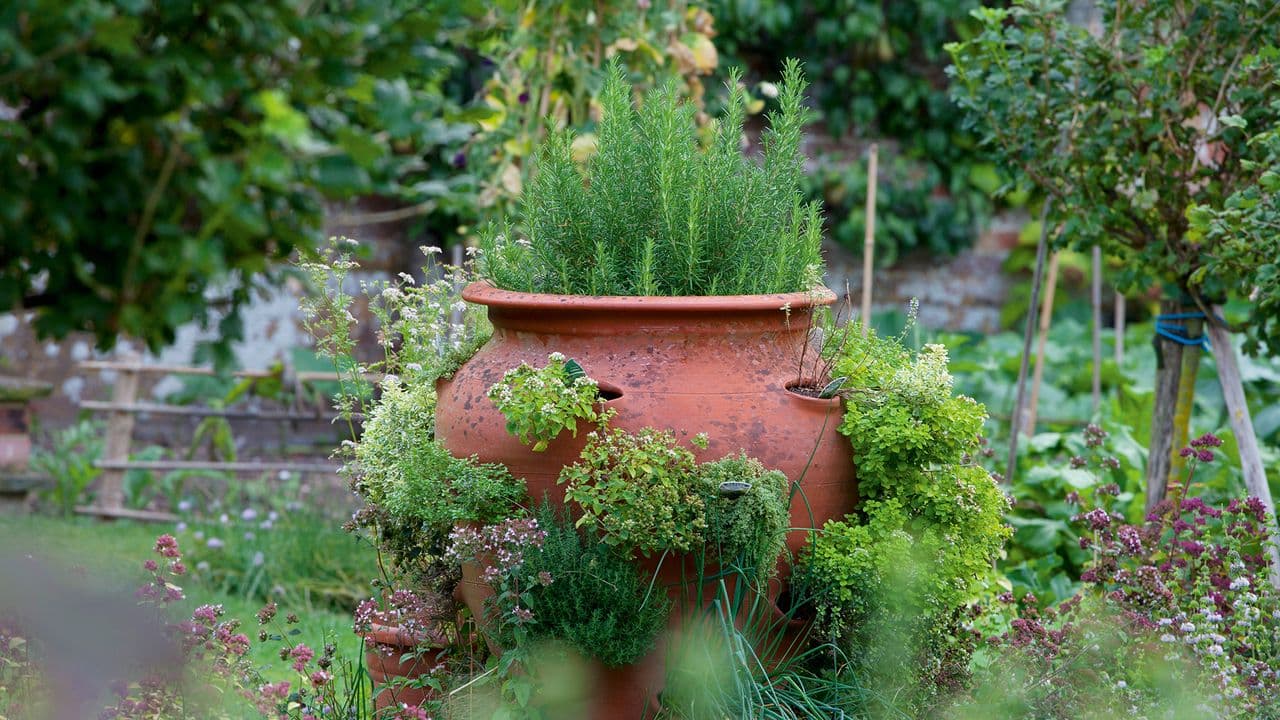
Why a Container Cocktail Garden Belongs on Every Patio This Summer
There is something genuinely transformative about dropping a sprig of freshly snipped mint into a mojito or floating an edible nasturtium on top of a gin fizz. Store-bought garnishes are an afterthought — limp, flavorless, and usually forgotten in the back of the refrigerator. A container cocktail garden changes all of that. It puts living, aromatic, flavor-packed ingredients right outside your back door, ready to clip the moment you reach for the cocktail shaker.
The best part? You do not need a sprawling yard or a dedicated garden bed to make it work. A sunny balcony, a small patio, or even a well-lit doorstep is more than enough. Container gardening is one of the most flexible and beginner-friendly ways to grow edible plants, and when you curate your containers around the flavors that show up most often in summer cocktails — citrus, herbal, floral — the results are both beautiful and endlessly useful.
Below you will find three thoughtfully designed container combinations that look stunning, grow easily, and deliver fresh garnishes for everything from a classic gin and tonic to a smoky mezcal margarita. Each combination is built around complementary plants that share similar water and sunlight needs, so they thrive together in a single pot or cluster of pots.
What Makes a Great Cocktail Garden Container
Before diving into the combinations, it helps to understand what sets a cocktail garden container apart from a standard herb planter. The goal is not just productivity — it is also sensory richness. You want plants that engage multiple senses: fragrance when you brush against the leaves, visual interest that makes your patio feel intentional and designed, and of course, complex flavors that elevate a drink from good to memorable.
A few practical tips apply across all three combinations:
- Choose containers with drainage holes. Most cocktail herbs, including mint, rosemary, and lemon verbena, will rot at the roots if left sitting in waterlogged soil. Terra cotta pots are especially forgiving because they allow the soil to breathe.
- Use a quality potting mix. Garden soil compacts quickly in containers. A loose, well-draining potting mix — ideally one formulated for herbs — gives roots the room and nutrients they need to produce abundantly all season.
- Position for at least six hours of sun. Most of the plants in these combinations are sun-lovers. A south- or west-facing patio spot is ideal. If your space leans shady, lean heavier on mint and lemon balm, both of which tolerate partial shade better than most.
- Harvest often. Regular harvesting does not deplete these plants — it encourages bushier, more productive growth. Pinching back flowering tips on herbs like basil and mint keeps them in their most flavorful vegetative stage longer.
Combination 1: The Classic Mojito Bar
This is the container for anyone who loves bright, refreshing summer drinks built on mint and citrus. Plant spearmint as your anchor — it is the most cocktail-friendly mint variety, with a clean, sweet flavor that is not overpowering. Pair it with a dwarf lemon tree or a compact lime bush if your container is large enough, or substitute with lemon thyme and lemon verbena for a citrus-forward herbal punch in a smaller pot.
Round out the combination with a few stems of Cuban oregano, which has a broader leaf and a pleasantly pungent flavor that adds unexpected depth to rum-based drinks. The visual contrast between the small, bright leaves of the mint, the glossy citrus foliage, and the velvety texture of the Cuban oregano makes this container genuinely eye-catching.
What you can make: mojitos, rum punches, citrus vodka sodas, sparkling lemonade garnishes, and mint simple syrup to keep in the refrigerator all week.
Combination 2: The Gin Garden
Gin is the most herb-forward spirit in the cocktail world, which makes it the perfect match for a botanicals-driven container. Build this one around rosemary — a woody, drought-tolerant shrub that doubles as a skewer for fruit garnishes and infuses beautifully into syrups. Add lavender for its soft floral note and striking purple spikes that look gorgeous floating in a coupe glass. Finish with a compact variety of basil, such as Greek basil or Fino Verde, both of which have smaller leaves that are easier to use as delicate garnishes.
This container needs excellent drainage and full sun. Lavender in particular resents wet feet, so err on the side of underwatering rather than overwatering. A gravel mulch on top of the soil can help prevent moisture retention around the crown of the lavender plant.
What you can make: gin and tonics, lavender lemon spritzers, rosemary-infused simple syrup, herb-forward vodka martinis, and elderflower cocktails with fresh basil floats.
Combination 3: The Tropical Terrace
For those who love a fruity, floral, or slightly exotic profile in their drinks, this container delivers. Center it around lemongrass, which grows vigorously in a large pot and provides long, fragrant stalks ideal for muddling into Thai-inspired cocktails or steeping into simple syrups. Pair it with pineapple sage, a showstopper plant with vivid red blooms and leaves that smell unmistakably of fresh pineapple. Add a trailing nasturtium around the edges for edible flowers in shades of orange, yellow, and red — all of which are entirely edible and carry a peppery sweetness that works remarkably well with tequila, rum, and sparkling wine.
What you can make: mezcal margaritas with nasturtium garnish, lemongrass mule variations, pineapple sage mojitos, rum punch with edible flower ice cubes, and tropical gin sours.
Making the Most of Your Cocktail Garden All Summer
One of the most rewarding things about a container cocktail garden is how it shifts your approach to entertaining. Rather than planning a drink menu and then shopping for garnishes, you start by stepping outside, seeing what is thriving, and building cocktails around the garden. A glut of fresh rosemary becomes a batch of rosemary-honey syrup. An abundance of mint becomes a pitcher of mojitos for the whole afternoon. Nasturtiums at peak bloom become the centerpiece of a drinks table that doubles as a floral arrangement.
Keep a small pair of clean herb scissors near the containers, along with a basket or tray for collecting. Label your containers clearly so guests at summer gatherings can explore and snip their own garnishes — it becomes an interactive, sensory part of the entertaining experience that no grocery store garnish could ever replicate.
A container cocktail garden is, at its heart, a small act of care for the way you drink and the way you host. It costs very little to start, takes up almost no space, and returns that investment many times over in flavor, beauty, and the quiet pleasure of growing something useful with your own hands. Start with one combination this season and see how quickly it becomes the first thing you reach for every time you mix a drink.