
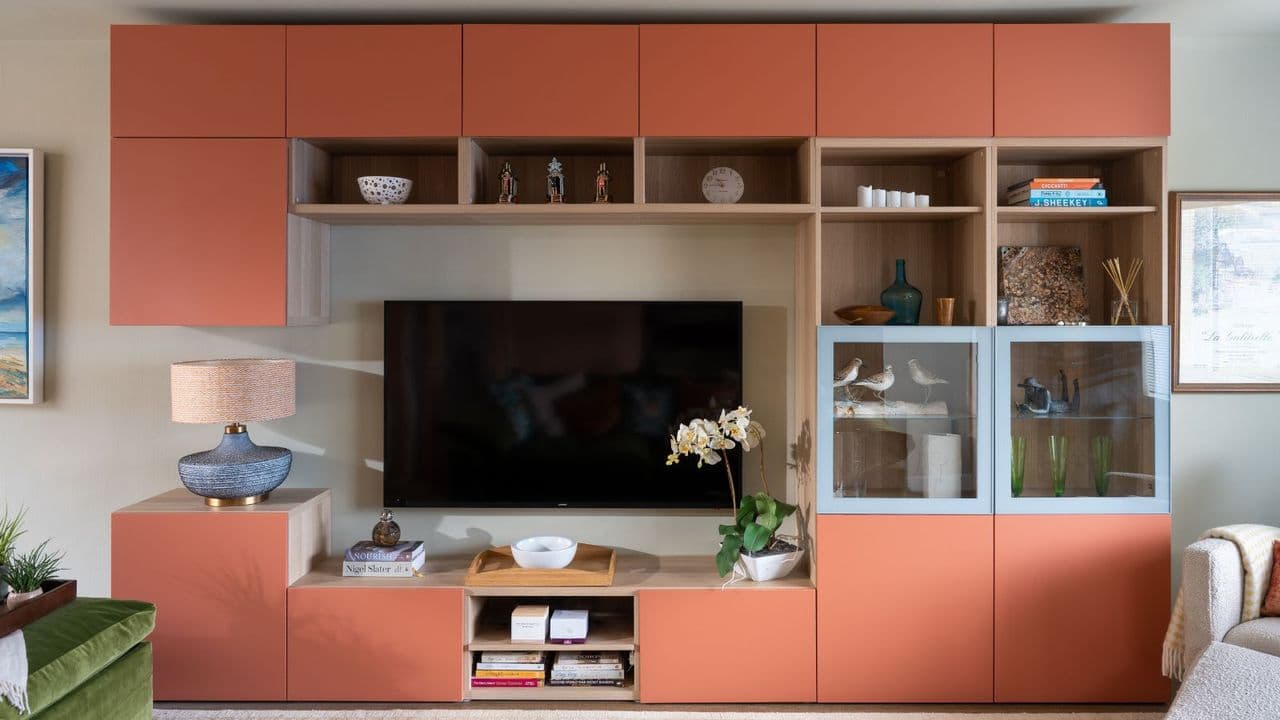
Why Farrow & Ball's Naperon Is the Paint Color Every Designer Is Reaching For Right Now
If you have spent any time scrolling through interior design feeds recently, you may have noticed a particular warmth creeping into the most beautiful rooms on the internet. That luminous, almost golden quality — the kind that makes a space feel as though it has been kissed by late afternoon sun — is increasingly coming from a single source: Farrow & Ball's Naperon. Once a quietly celebrated shade tucked within the brand's extensive palette, Naperon has suddenly become the paint color that designers simply cannot stop talking about, and once you understand why, it is very hard not to feel the same way.
What Exactly Is Farrow & Ball Naperon?
Naperon sits within Farrow & Ball's carefully curated family of off-whites and neutrals, but calling it simply a neutral would be doing it a significant disservice. The shade carries a soft, creamy warmth that hovers between white, linen, and the faintest blush of yellow. It is the color of fresh cotton napkins laid out on a sun-filled table — which is, fittingly, exactly what its French name evokes. Unlike stark, cold whites that can make a room feel clinical or flat, Naperon breathes life and softness into a space, giving walls a gentle depth without ever feeling heavy or oppressive.
Farrow & Ball describes its pigments as being of an unusually high quality, and with Naperon this richness is immediately apparent. Depending on the time of day and the direction your room faces, the shade shifts subtly between an almost pure warm white in direct sunlight and a soft, honeyed cream in lower light. This kind of responsive, living quality is precisely what makes it so beloved among professional decorators who understand that a paint color is never static — it performs differently across every hour of the day.
The Sun-Drenched Effect: How Naperon Transforms a Room
One of the most common complaints about white and off-white paint colors is that they can read as cold, particularly in north-facing rooms or spaces that receive limited natural light. Naperon solves this problem elegantly. Because of its warm undertones, it naturally amplifies whatever light enters a room, bouncing it back in a way that feels generous and golden rather than harsh. The result is that rooms painted in Naperon appear bathed in a kind of perpetual soft sunshine — the decorative equivalent of a warm Mediterranean morning even in the depths of winter.
This sun-drenched quality is not accidental. Farrow & Ball formulates its paints to interact with light in specific, deliberate ways, and Naperon's balance of warm pigments is designed to flatter a room's natural illumination rather than fight against it. For south- and west-facing rooms that already receive plenty of sunshine, Naperon elevates that glow to something almost magical. For darker or north-facing spaces, it works hard to counteract any chill, lending the room a sense of warmth that purely white shades could never achieve.
Why Designers Are Suddenly Obsessed
Interior designers have long understood the transformative power of the right off-white, and for years the conversation was dominated by shades like Farrow & Ball's own Pointing, All White, or the ever-popular Strong White. So why is Naperon having its moment now? Several converging trends help to explain the shift.
- A move away from cool minimalism: After years of Scandi-inspired grey and cool white interiors, there is a strong and widely observed appetite for warmth in the home. Naperon delivers exactly that without tipping into the kind of heavy terracotta or mustard tones that can feel overpowering.
- The rise of European-inspired interiors: The enduring popularity of French, Italian, and Mediterranean aesthetic references in interior design has sent designers hunting for shades that evoke sunlit European interiors. Naperon's linen-and-cream quality fits this mood perfectly.
- Social media amplification: When a handful of influential designers began featuring Naperon on their projects and publishing them online, the response was immediate. The color photographs beautifully — warm, layered, and effortlessly elegant — and its spread across design platforms has been rapid.
- Versatility across styles: Unlike some very specific, characterful shades, Naperon works across a remarkably broad range of interior styles. It feels at home in a period townhouse, a modern apartment, a countryside kitchen, and a serene bedroom alike.
How to Use Naperon in Your Home
The good news about Naperon is that it is one of the more forgiving and adaptable shades in the Farrow & Ball range. Its warmth means it pairs beautifully with natural materials — linen, rattan, bleached oak, terracotta tiles, and raw plaster all complement it effortlessly. For a truly sun-soaked atmosphere, combine Naperon walls with warm brass or unlacquered brass hardware, honey-toned timber furniture, and textiles in natural, undyed fabrics.
In kitchens, Naperon on walls or cabinetry creates a space that feels nourishing and inviting without being overtly rustic. In living rooms, it provides a backdrop warm enough to make even the most modern furniture feel approachable and lived-in. In bedrooms, it wraps the space in a softness that encourages rest, particularly when layered with linen bedding in complementary cream and ecru tones.
Best Color Pairings for Naperon
For trims, skirtings, and woodwork, Farrow & Ball's All White or Wimborne White provide a crisp but not cold contrast that sharpens the overall look without introducing any blue or grey chill. If you prefer a more tonal, seamless effect, painting woodwork in Naperon itself creates an enveloping, cocoon-like warmth that is particularly effective in smaller spaces. For accent walls, furniture, or joinery, deeper Farrow & Ball shades such as String, Dead Salmon, or even the earthy richness of Jitney sit beautifully alongside Naperon's softness.
Choosing the Right Finish
Farrow & Ball offers Naperon across its full range of finishes, and the choice makes a meaningful difference to the final effect. Estate Emulsion, the brand's signature chalky flat finish, produces the most painterly, light-absorbing quality and is ideal for walls in living rooms and bedrooms. Modern Emulsion offers greater durability for high-traffic areas and wipes clean more easily. For kitchens and bathrooms, Modern Eggshell or Full Gloss on woodwork adds a gentle sheen that reflects light and keeps the warmth of the shade while standing up to moisture and cleaning.
The Bigger Picture: What Naperon Tells Us About Where Interiors Are Heading
The obsession with Naperon is about more than a single paint color. It speaks to a broader cultural desire for homes that feel genuinely warm, human, and restorative — spaces designed not for the camera alone but for the people who actually live in them. As the pace of life continues to demand more from us, the idea of coming home to rooms that glow with a soft, sun-drenched light feels less like a luxury and more like a necessity. Farrow & Ball's Naperon, in its quiet, creamy, unhurried way, delivers precisely that. It is easy to understand why designers have fallen for it so completely, and easier still to see why it is not going anywhere soon.