
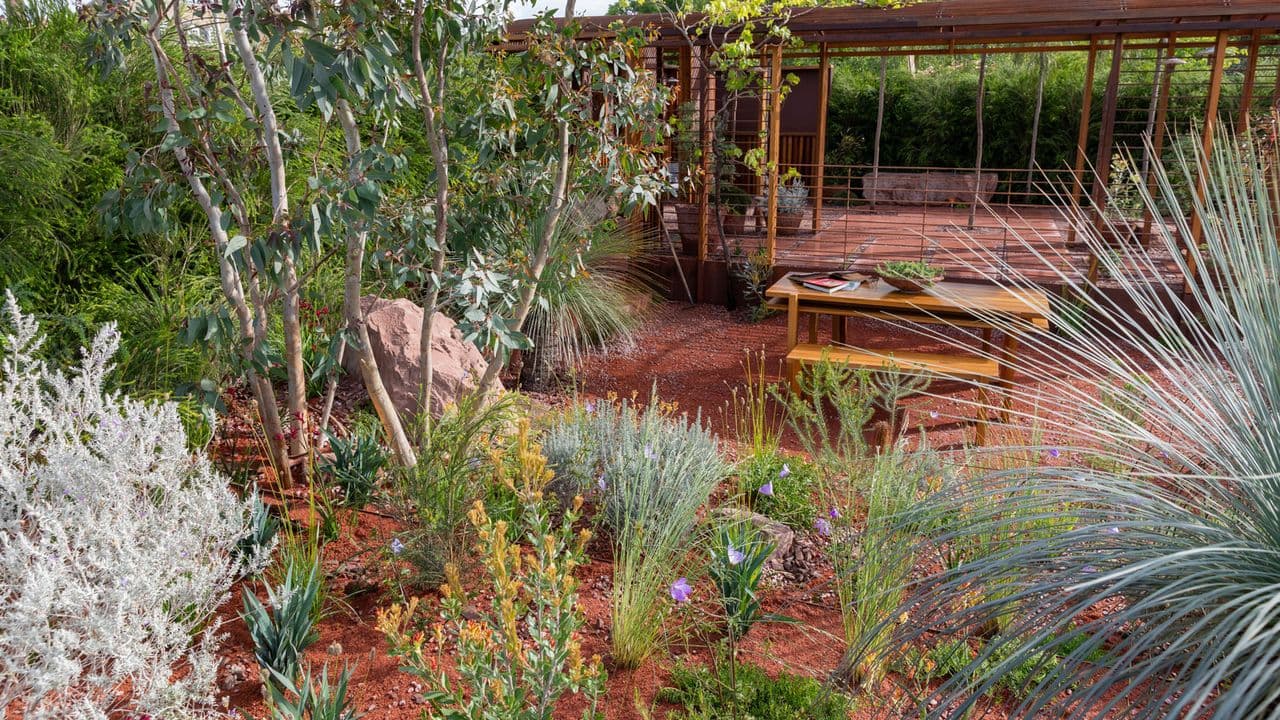
Why Fire-Resistant Plants Matter More Than Ever
As wildfires become increasingly frequent and intense across the United States and other parts of the world, homeowners are rethinking their landscaping strategies. Whether you live in a fire-prone region of California, the dry plains of Texas, or the arid Southwest, choosing the right plants for your yard can make a dramatic difference — not just aesthetically, but in terms of safety. Fire-resistant plants are specifically bred or naturally adapted to withstand extreme heat, resist ignition, and recover quickly after exposure to fire sparks or embers.
The good news is that fire-resistant landscaping — often called "firescaping" — doesn't mean sacrificing beauty. In fact, many of the toughest fire-resistant plants are also visually stunning, require minimal water, and thrive in conditions that would kill ordinary garden varieties. In this guide, we'll walk you through seven of the most resilient fire-resistant plant varieties that are perfect for challenging yards.
What Makes a Plant Fire-Resistant?
Before diving into specific varieties, it's worth understanding what makes a plant fire-resistant in the first place. Fire-resistant plants typically share several key characteristics. They tend to have high moisture content in their leaves and stems, which makes them harder to ignite. They often have a loose, open branching structure that doesn't accumulate dead material, and their leaves contain little to no volatile oils or resins that accelerate combustion.
Plants that are fire-resistant also tend to be drought-tolerant, which is no coincidence — dry conditions go hand in hand with fire risk. By selecting plants that naturally conserve moisture and resist heat stress, you're building a landscape that is inherently more resilient year-round.
7 Fire-Resistant Plants for Extreme Conditions
1. Ice Plant (Delosperma cooperi)
The ice plant is one of the most widely recommended fire-resistant ground covers available. Its fleshy, water-storing leaves have an extremely high moisture content, which makes it nearly impossible to ignite under normal conditions. Ice plant spreads quickly across slopes and rocky terrain, which makes it particularly valuable for erosion-prone yards in fire-risk zones. It thrives in full sun and requires very little water once established, producing vibrant magenta or yellow flowers throughout the growing season.
2. Lavender (Lavandula spp.)
Lavender is a classic choice for both its beauty and its fire-resistant properties. While lavender does contain some aromatic oils, its overall low moisture content when compared to more volatile plants, combined with its open woody structure and relatively low fuel load, makes it a safer option than many other ornamental shrubs. Lavender thrives in poor, well-drained soils and full sun, making it ideal for dry, challenging yards. It also attracts pollinators and offers the added bonus of a calming fragrance throughout summer.
3. Agave (Agave spp.)
Agave is a powerhouse when it comes to surviving extreme heat and fire exposure. Its thick, succulent leaves are loaded with moisture, and the plant's rosette form means there is minimal dry debris to accumulate around the base. Agave is virtually indestructible in hot, arid climates and serves as a dramatic focal point in any xeriscape or fire-safe garden design. Keep in mind that agave has sharp tips, so placement near walkways or children's play areas should be done with care.
4. Sedum (Sedum spp.)
Sedums are another group of succulents that perform exceptionally well in fire-prone landscapes. These low-growing, mat-forming plants store large amounts of water in their plump leaves and stems, making them highly resistant to ignition. Sedums come in an enormous range of colors, textures, and sizes, offering tremendous design flexibility. They are especially effective as ground cover on slopes or in rock gardens where traditional grass lawns would pose a fire hazard.
5. Rockrose (Cistus spp.)
Rockrose is a Mediterranean shrub that has evolved to survive in fire-prone environments naturally. After a wildfire, rockrose is often one of the first plants to regenerate, thanks to its deep root system and heat-triggered germination. While it does contain some aromatic compounds, its ability to quickly re-establish after fire damage makes it a smart choice for creating a resilient firescape border. Rockrose thrives in full sun, poor soils, and dry conditions, and rewards gardeners with beautiful papery blooms in white, pink, or purple.
6. California Lilac (Ceanothus spp.)
California Lilac is a native shrub that is well-adapted to fire-prone chaparral landscapes. It is frequently used in fire-safe landscaping projects across the western United States because of its ability to survive intense heat and regenerate from its root crown after fire exposure. California Lilac produces spectacular clusters of blue, violet, or white flowers in spring, attracting hummingbirds and butterflies. It is drought-tolerant once established and performs best in well-drained, sunny locations.
7. Aloe (Aloe vera and other Aloe spp.)
Aloe is among the most fire-resistant plants you can grow. Its thick, gel-filled leaves contain an enormous amount of water, providing natural protection against heat and flame. Aloe is also incredibly low-maintenance, requiring minimal irrigation and almost no fertilizer. Beyond its fire-resistant properties, aloe is renowned for its medicinal uses, making it a dual-purpose plant that earns its place in any yard. It grows well in containers or directly in the ground in USDA hardiness zones 9 through 11.
Tips for Building a Fire-Resistant Landscape
Choosing the right plants is only one component of a comprehensive fire-safe landscaping strategy. Here are a few additional guidelines to maximize the effectiveness of your firescape design:
- Create defensible space by keeping plantings at least 30 feet from your home's structure, using non-combustible mulches like gravel or decomposed granite near the foundation.
- Avoid planting in continuous, unbroken rows that could allow fire to travel easily from one plant to the next. Break up planting clusters with hardscaped pathways or open gravel areas.
- Remove dead plant material regularly, as accumulated dry debris is one of the primary fuel sources for fires spreading through a landscape.
- Water fire-resistant plants deeply but infrequently to encourage deep root development, which makes them even more drought-resistant and heat-tolerant during high-risk fire seasons.
- Avoid highly flammable plants such as ornamental grasses, juniper, rosemary, and eucalyptus near structures, even if they are drought-tolerant.
Final Thoughts: Invest in a Safer, Smarter Yard
Building a fire-resistant landscape is one of the most practical and impactful investments you can make as a homeowner in a fire-prone region. The seven plant varieties highlighted in this guide — ice plant, lavender, agave, sedum, rockrose, California lilac, and aloe — represent some of the best options available for combining beauty, resilience, and fire safety. By incorporating these tough performers into your yard and following smart firescaping principles, you can significantly reduce your property's vulnerability to fire while creating a landscape that looks stunning all year long.
Start small if needed — even replacing a portion of your lawn or high-risk shrubs with fire-resistant alternatives makes a measurable difference. Over time, you'll find that a well-designed firescape is not only safer but also requires less water, less maintenance, and less stress during the dry summer months when fire risk peaks.