
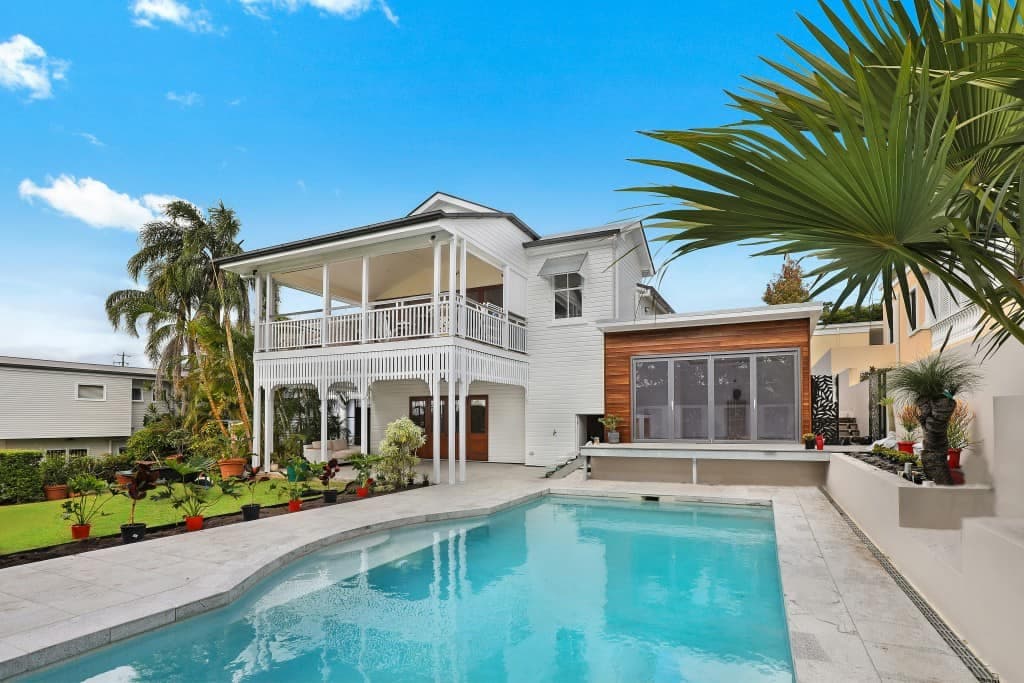
Why Home Features for Hot Climates Matter More Than Ever
As temperatures continue to rise across much of the country, the way a home is designed and equipped has never been more important. Whether you're buying, selling, or simply upgrading your current space, understanding which home features for hot climates deliver the most value can save you thousands of dollars annually and make daily life considerably more comfortable. From the materials used in your roof to the type of windows installed in your living room, every detail plays a role in how well your home manages heat.
Real estate professionals consistently report that buyers in warm-weather markets are scrutinizing climate-adaptive features with far greater attention than they did even a decade ago. In competitive markets across Texas, Arizona, Florida, and Southern California, these features aren't just perks — they're priorities. This guide walks you through eight of the most sought-after hot weather home features, explaining what they are, why they matter, and how they can influence a home's market value.
1. High-Efficiency HVAC Systems
A high-efficiency heating, ventilation, and air conditioning system is arguably the single most important feature a home in a hot climate can have. Modern HVAC units with high SEER (Seasonal Energy Efficiency Ratio) ratings cool homes more effectively while consuming significantly less electricity. For buyers, a newer, properly sized HVAC system is a signal that they won't be facing a major expense shortly after moving in. Sellers who upgrade their systems before listing often recoup much of that investment through a faster sale and stronger offers.
Smart thermostats paired with high-efficiency HVAC systems add another layer of savings by learning your schedule and adjusting temperatures automatically, reducing energy waste during hours when the home is empty.
2. Energy-Efficient Windows and Glazing
Standard single-pane windows are no match for the intense solar heat gain that comes with living in a hot climate. Double- or triple-pane windows filled with insulating gas, combined with low-emissivity (low-E) coatings, can dramatically reduce the amount of heat that enters a home. This keeps interior spaces cooler without forcing the air conditioner to work overtime.
Buyers should look for windows rated for solar heat gain coefficient (SHGC) values appropriate for hot climates, typically below 0.25. Strategic window placement — limiting large windows on west- and south-facing walls — can also make a substantial difference in a home's thermal performance.
3. Cool Roofing Materials
The roof is one of the largest surfaces absorbing sunlight on any given home, and in a hot climate, the material and color you choose can significantly affect indoor temperatures. Cool roofing options such as reflective metal roofing, light-colored tile, or specially coated asphalt shingles are designed to reflect more sunlight and absorb less heat than traditional dark roofing materials.
Homes with cool roofs can see reductions in roof surface temperatures of up to 50 degrees Fahrenheit, which translates directly to lower cooling costs and a longer lifespan for the roofing material itself. This is a feature that appeals strongly to energy-conscious buyers.
4. Proper Attic Insulation and Ventilation
Even the best air conditioning system will struggle if heat is freely pouring in through a poorly insulated attic. In hot climates, attic insulation and ventilation work together to keep radiant heat from transferring into the living spaces below. Spray foam insulation, radiant barriers, and adequate attic ventilation — including ridge vents and powered attic fans — are all features that savvy buyers look for and appraisers increasingly factor into valuations.
5. Shaded and Covered Outdoor Living Spaces
Outdoor living is a way of life in warm climates, but only if those spaces are actually usable during peak heat hours. Covered patios, pergolas with shade sails, deep eaves, and strategically planted trees all extend the livable hours of an outdoor area. Buyers are willing to pay a premium for homes where the backyard, patio, or pool area has been thoughtfully designed to offer shade and airflow during the hottest parts of the day.
Outdoor ceiling fans and misting systems are relatively affordable additions that can transform a sweltering patio into a genuinely enjoyable retreat, making them high-return investments for sellers looking to boost curb appeal.
6. Tankless or Solar Water Heaters
Water heating is one of the largest energy expenses in any household, and in hot climates, solar water heaters are an especially smart investment. These systems use the abundant sunlight available in warm regions to heat water, dramatically reducing utility bills. Tankless water heaters, while not solar-powered, also offer significant efficiency gains over traditional tank models by heating water on demand rather than constantly maintaining a large stored supply.
7. Energy-Efficient Landscaping
Thoughtful landscaping can reduce a home's cooling load significantly. Deciduous trees planted on the south and west sides of a home provide shade during summer while allowing sunlight through in winter. Drought-resistant native plants reduce water usage, which matters in hot, arid climates where water costs can be considerable. Gravel, mulch, and other ground covers reduce heat reflection from the yard back toward the home — a phenomenon known as the urban heat island effect at the residential scale.
8. Whole-House Fans and Passive Cooling Design
Whole-house fans are an underrated feature that works especially well in climates where nights cool down significantly after hot days. These powerful fans draw cool evening air through open windows and exhaust hot air through the attic, cooling the entire house quickly and at a fraction of the cost of running central air conditioning. Homes designed with passive cooling principles in mind — featuring cross-ventilation, high ceilings, and thermal mass materials — can stay naturally cooler throughout the day.
Making Smart Decisions in a Warming Market
The right combination of home features for hot climates can reduce energy bills by hundreds of dollars per month, improve daily comfort, and meaningfully increase a property's resale value. As climate awareness continues to shape buyer preferences, homes that are well-equipped for heat will stand out in any market.
Whether you're purchasing your first home in a sun-belt city or preparing to list a property in a warm-weather market, prioritizing these hot weather home features is one of the most strategic decisions you can make. Buyers who know what to look for — and sellers who invest in the right upgrades — will be better positioned in an increasingly heat-conscious real estate landscape.