
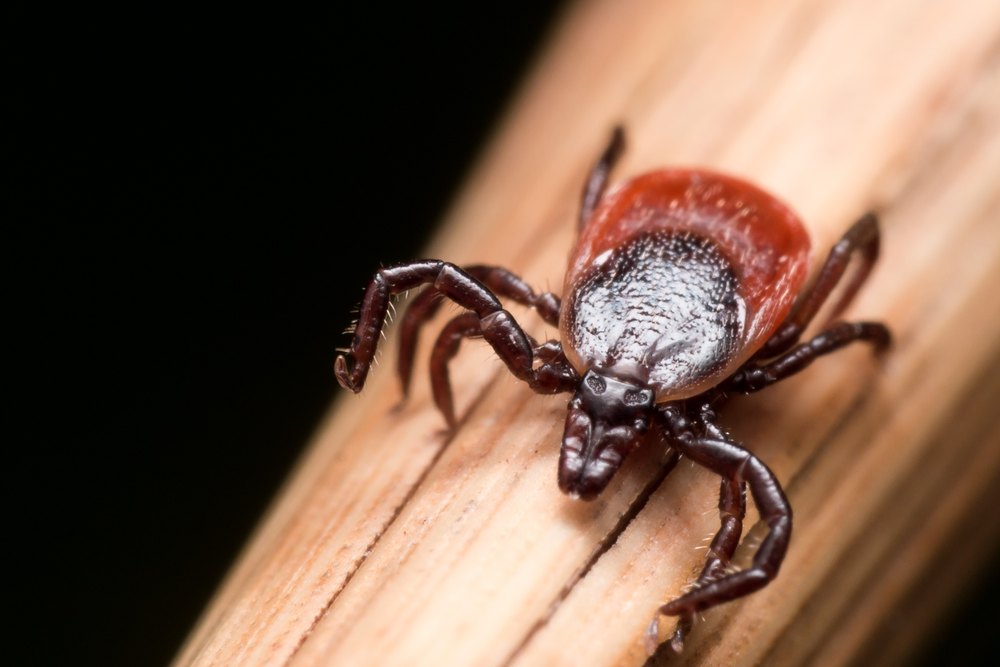
Tick Season 2026: Why Homeowners in Certain States Should Be on High Alert
If you own a home in the Northeast, Upper Midwest, Middle Atlantic, Ohio River Valley, or even parts of the South, this is the year to pay close attention to what's happening in your backyard — literally. Tick populations are surging across the United States in 2026, and the health consequences are becoming impossible to ignore. According to data from the Centers for Disease Control and Prevention's Bite Tracker, approximately 71 per 100,000 emergency room visits in April 2026 were tick-related. That figure is more than double the historical average, making this one of the most concerning tick seasons in recent memory.
While ticks have always been a seasonal nuisance, the combination of milder winters, shifting wildlife patterns, and increased outdoor activity has created conditions where tick populations are not just surviving — they're thriving. Homeowners who understand the risk and take proactive steps now can significantly reduce their exposure and protect both their families and their pets from the serious diseases ticks can transmit.
Which States Are Most at Risk?
The MyWild 2026 Tick Forecast paints a clear picture of where the problem is most acute. Regions that have historically been tick hotspots are seeing even higher concentrations this year, while new areas are experiencing tick activity that residents have rarely dealt with before. The states most impacted include those across the Northeast — think Connecticut, New York, New Jersey, Pennsylvania, and Massachusetts — alongside Midwestern states like Wisconsin and Minnesota, which have long battled Lyme disease-carrying black-legged ticks.
Middle Atlantic and Ohio River Valley states are also seeing significant upticks in tick activity. States such as Virginia, West Virginia, and Ohio are reporting higher-than-average encounter rates. Even southern states, which have traditionally faced different tick species and different risks, are now seeing expanded populations of more medically significant ticks moving into new territory.
The reason for this geographic expansion is multifaceted. Warmer temperatures allow ticks to remain active for longer stretches of the year. White-tailed deer and small rodent populations — both key hosts for ticks at various life stages — have continued to expand into suburban and even urban areas. All of these factors compound one another, creating a perfect environment for tick populations to explode.
The Health Risks You Cannot Afford to Ignore
Ticks are vectors for a range of serious diseases that can have long-lasting health consequences. Lyme disease remains the most well-known tick-borne illness in the United States, but it is far from the only one. Rocky Mountain spotted fever, anaplasmosis, ehrlichiosis, babesiosis, and Powassan virus are all transmitted by ticks and all carry the potential for severe complications if not caught and treated early.
The spike in emergency room visits seen in April 2026 is a clear signal that more people are being bitten and becoming ill. Many tick-borne illnesses begin with symptoms that mimic common conditions — fatigue, fever, muscle aches, and headaches — which means they are often misdiagnosed or diagnosed late. For homeowners, especially those with young children, elderly family members, or pets who spend time outdoors, the risk is not abstract. It is real, present, and growing.
How To Create a Tick-Free Zone Around Your Home
The good news is that you have more control than you might think. While you cannot change the weather or stop deer from wandering through your neighborhood, you can take targeted steps to make your property significantly less hospitable to ticks. Hamilton Allen, entomologist and Vice President of Technical and Safety at Fox Pest Control, outlines a practical approach to establishing a tick-free zone.
Use Year-Round Tick-Preventative Medications for Pets
Pets are one of the primary ways ticks enter the home. Dogs in particular can carry dozens of ticks into the house after a single outdoor outing without showing any obvious signs. Ensuring that your pets are on a year-round tick-preventative medication — not just a seasonal one — is one of the single most effective things you can do to reduce tick exposure inside your living space. Speak with your veterinarian about the best options for your specific pet's breed, size, and lifestyle.
Remove Leaf Litter Around Your Property
Ticks do not survive well in dry, sunny environments. They thrive in moist, shaded areas, and leaf litter is essentially a luxury hotel for ticks. Piles of dead leaves near the foundation of your home, along fence lines, or under trees and shrubs create the perfect microhabitat for ticks to survive and reproduce. Removing leaf litter regularly — especially in the spring and fall — can make a meaningful difference in the number of ticks living close to your home.
Install Wood Chips or Mulch at Transition Zones
One of the most underutilized tick-prevention strategies is the creation of a physical barrier between your lawn and any wooded areas adjacent to your property. A three-foot-wide border of wood chips or mulch acts as a dry, difficult terrain that ticks are reluctant to cross. Ticks typically migrate from woodland edges into lawns in search of hosts, and this simple barrier can dramatically reduce how many of them make it into your yard where your family and pets spend time.
Mow Your Lawn Regularly
Tall grass is another tick haven. Keeping your lawn mowed short deprives ticks of the shaded, humid ground-level environment they need to stay active and hydrated. Regular mowing, combined with the other strategies above, makes your yard a far less attractive habitat for ticks. Pay special attention to the edges of your lawn, near garden beds, and along pathways where ticks are most likely to wait for a passing host.
Consider Professional Pest Control
For homeowners in high-risk states who want an added layer of protection, professional tick control treatments applied around the perimeter of the property can be highly effective. Licensed pest control companies can apply targeted treatments during peak tick activity periods — typically spring and early fall — to significantly reduce tick populations on your property. This is especially worth considering if you have children who play outdoors frequently or if you live adjacent to wooded land.
Staying Vigilant Outdoors
Beyond your property, personal protection habits matter enormously. When spending time in tick-prone environments — hiking trails, parks, wooded areas, or even your own backyard during peak season — wear long sleeves and pants, tuck pants into socks, and apply an EPA-registered insect repellent containing DEET, picaridin, or IR3535. After any time outdoors, conduct a thorough tick check on yourself, your children, and your pets. Shower within two hours of coming inside to help wash off unattached ticks. Check particularly carefully behind the knees, in the armpits, in the hair, and around the ears — all areas where ticks prefer to attach.
If you do find a tick attached to your skin, remove it promptly with fine-tipped tweezers, pulling upward with steady pressure without twisting or jerking. Monitor the bite site and your general health in the days following, and consult a healthcare provider if you develop a rash, fever, or flu-like symptoms.
The Bottom Line for Homeowners
Tick season 2026 is shaping up to be one of the most intense on record, particularly for homeowners in the Northeast, Upper Midwest, Middle Atlantic, Ohio River Valley, and southern states. The doubling of tick-related emergency room visits is a wake-up call that should motivate every homeowner in an at-risk region to take the threat seriously. The combination of consistent pet medications, yard maintenance, physical barriers, and personal protection habits gives you a powerful toolkit to fight back. Don't wait for a bite — or a diagnosis — to take action. Start building your tick-free zone today.