
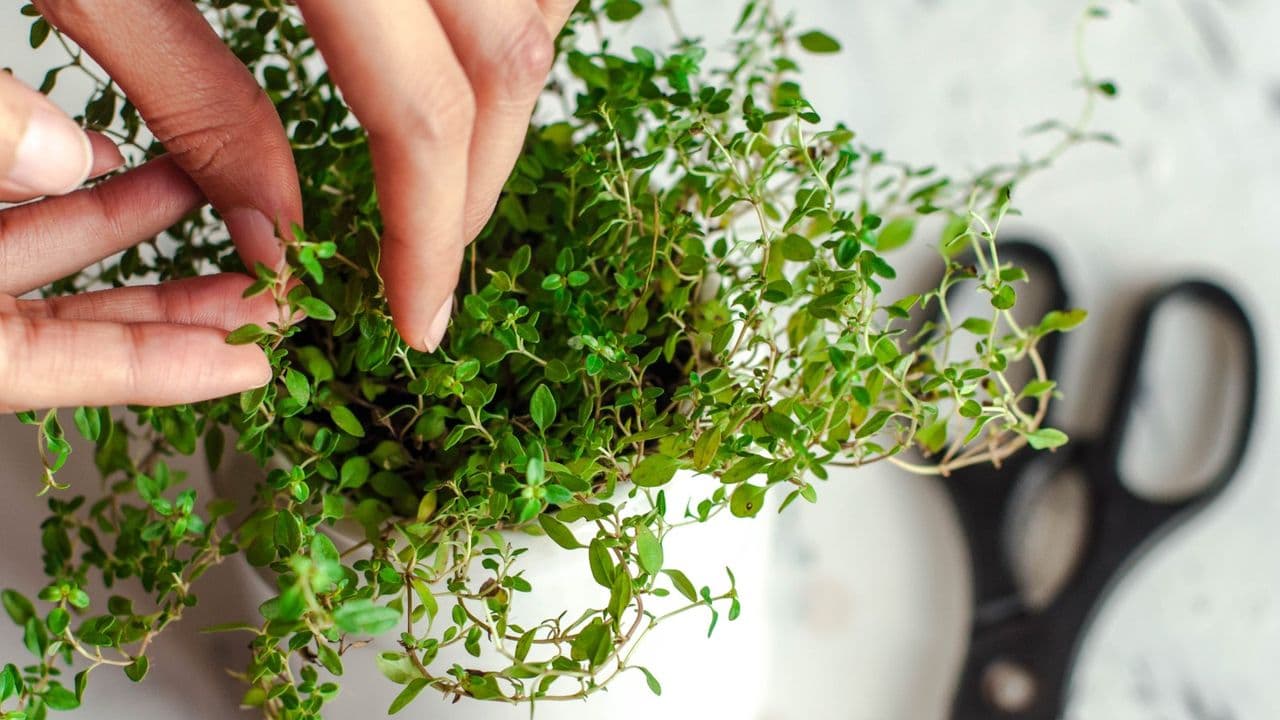
Why Summer Is the Best Time to Harvest Thyme
If you grow thyme in your herb garden, summer is your golden window. This hardy Mediterranean herb reaches its flavor peak just before it flowers, when the concentration of essential oils in the leaves is at its highest. Harvesting thyme at the right moment in summer not only gives you the most aromatic, flavorful sprigs for cooking — it also encourages the plant to keep producing fresh, bushy growth well into autumn.
Many gardeners make the mistake of either harvesting too little, leaving the plant to become woody and overgrown, or cutting too aggressively, shocking the plant and stunting its recovery. The good news is that with a few simple techniques, you can get a generous harvest while keeping your thyme plant healthy and productive all season long.
When Exactly Should You Harvest Thyme in Summer?
Timing your thyme harvest is everything when it comes to flavor. The ideal moment to cut thyme is just before the plant begins to flower — typically in early to midsummer, depending on your climate. At this stage, the plant has invested maximum energy into its leaves, and the volatile oils responsible for thyme's signature earthy, slightly minty aroma are at their most concentrated.
Watch your plants closely. As soon as you see small flower buds beginning to form at the tips of the stems, that is your signal to harvest. If the flowers have already opened and bloomed, the plant has moved past its flavor peak, and the leaves may taste slightly more bitter or less intense. That said, thyme is still perfectly usable after flowering — you simply get the most potent flavor when you act just before bloom.
For the best results, harvest thyme in the morning after the dew has dried but before the heat of the day sets in. Morning harvesting preserves the essential oils that evaporate quickly in strong afternoon sun.
How to Harvest Thyme Without Killing the Plant
The single most important rule of harvesting thyme is never to cut into the woody, brown base of the stems. Thyme does not regenerate well from old wood the way some other herbs do. If you cut too far down into the hard, lignified parts of the plant, it may struggle to regrow and can even die back permanently in that section.
Instead, focus your cuts on the soft, green growth at the tips and upper portions of each stem. Here is a step-by-step guide to harvesting thyme correctly:
- Use clean, sharp scissors or pruning shears. Dull blades crush the stems rather than cutting cleanly, which can introduce disease and slow regrowth. Wipe your tools with rubbing alcohol before you begin to avoid transferring any pathogens between plants.
- Cut stems back by no more than one-third of their length. This is the golden rule of herb harvesting. Removing up to a third of the plant at one time is manageable and stimulates branching. Taking more than that can stress the plant significantly.
- Cut just above a leaf node or a set of leaves. Cutting directly above a node encourages the plant to send out two new shoots from that point, making your thyme bushier and more productive with each harvest.
- Harvest evenly across the plant. Rather than stripping one side or one stem completely, spread your cuts across the whole plant so growth remains balanced and full.
- Remove any dead, diseased, or very woody stems while you are harvesting. This improves air circulation around the plant and reduces the risk of fungal problems in hot, humid summer weather.
How Often Can You Harvest Thyme in Summer?
One of the great joys of growing thyme is that it is a remarkably generous plant. As long as you follow the one-third rule and give the plant a week or two to recover between sessions, you can harvest thyme multiple times throughout summer. Many gardeners find they can take three to four good harvests between early summer and early autumn from a single, established plant.
After each harvest, you may notice a flush of vigorous new growth within ten to fourteen days. This is normal and desirable — regular cutting keeps the plant from becoming leggy and encourages it to remain dense and leafy rather than tall and sparse.
Getting the Best Flavor From Your Summer Thyme Harvest
Once you have harvested your thyme, how you handle it makes a real difference to the final flavor in your cooking.
- Use fresh thyme immediately for the most vibrant flavor. Strip the leaves from the stems by holding the tip of the stem in one hand and running your fingers down against the grain of growth — the leaves come off easily.
- Store fresh thyme in the refrigerator loosely wrapped in a slightly damp paper towel, placed inside a plastic bag or container. It will stay fresh for up to two weeks this way.
- Dry thyme by bundling stems together and hanging them upside down in a warm, dry, well-ventilated spot out of direct sunlight. Dried thyme retains excellent flavor and can be stored in an airtight jar for up to a year.
- Freeze thyme by spreading clean sprigs on a baking sheet, freezing them solid, and then transferring to a freezer bag. Frozen thyme works beautifully in soups, stews, and roasted dishes.
End-of-Summer Thyme Care: Setting Up Next Year's Growth
As summer draws to a close and temperatures begin to drop, give your thyme one final, moderate trim to tidy the plant and remove any straggly growth. Avoid a heavy harvest in late autumn since the plant needs some leaf coverage to protect itself going into cooler months. A light top-dressing of compost around the base of the plant in early autumn helps replenish nutrients and sets your thyme up for strong growth the following spring.
Thyme is a perennial herb that, with proper summer harvesting, can thrive and produce excellent flavor for many years. Treat it with a little respect and it will reward you abundantly — season after season.