
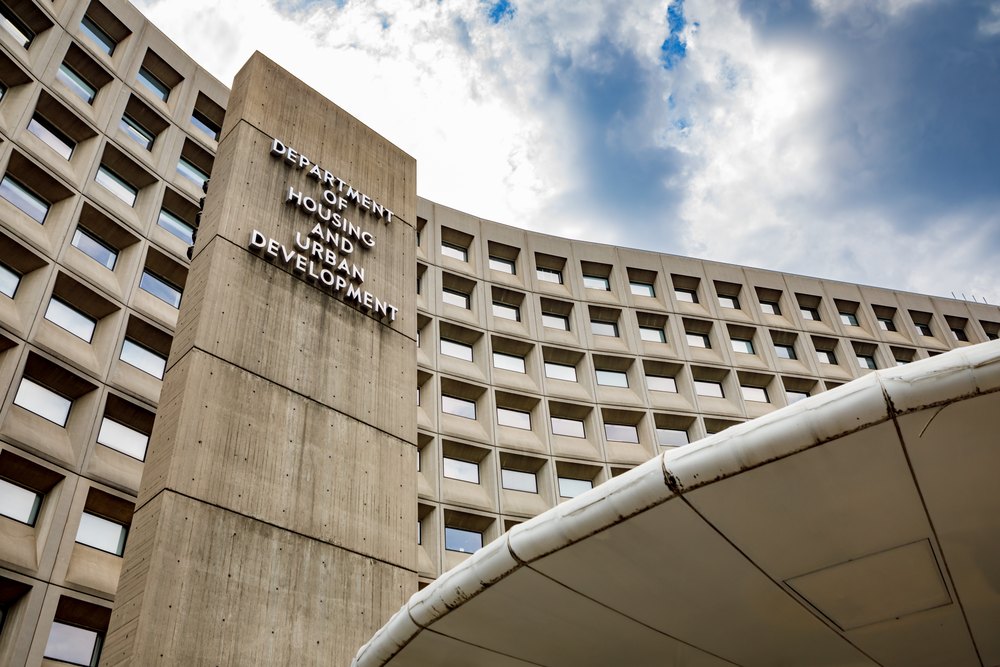
US Homelessness Hits Crisis Levels: HUD's 2025 Annual Report Explained
The U.S. Department of Housing and Urban Development (HUD) has released its most recent Annual Homeless Assessment Report, and the numbers are alarming. As of January 2025, an estimated 745,652 people are experiencing homelessness across the United States — a staggering 27% increase compared to 2013. The report has reignited a fierce national debate over housing policy, government spending, and the long-term effectiveness of the "housing first" approach that has dominated federal homeless policy for over a decade.
What the 2025 HUD Homeless Count Reveals
HUD conducts a national Point-in-Time (PIT) count every January, capturing a one-night snapshot of homelessness across the country. The 2025 count recorded 745,652 homeless individuals, making it one of the highest tallies in recent history. While this figure represents a modest 3% decrease from the 2024 count, the longer-term trend tells a deeply troubling story. Over 12 years, the homeless population has grown by more than a quarter, signaling that existing federal programs have not delivered the meaningful, lasting reductions policymakers once promised.
The report also attributed the slight year-over-year decline to reductions in so-called "sanctuary cities," a politically charged framing that reflects the current administration's broader narrative on immigration and urban policy. Critics argue that this explanation oversimplifies a deeply complex social issue, while supporters of the administration say it underscores the need for a fundamental policy overhaul.
Scott Turner's Sharp Criticism of 'Housing First'
HUD Secretary Scott Turner wasted no time in using the new data to make a sweeping indictment of the "housing first" model — an approach that prioritizes providing stable housing to homeless individuals without requiring them to first complete addiction treatment or meet other preconditions. Turner argued that decades of relying on this model have produced a homelessness crisis rather than a solution.
"The data is clear that the status quo of 'housing first' has failed to meaningfully reduce homelessness, resulting in crisis levels of people living on the streets," Turner said in an official statement. "HUD is restoring its programs to advance recovery and self-sufficiency and to ensure that taxpayer-funded benefits serve American families."
The Secretary's comments signal a significant philosophical shift in how the federal government intends to address homelessness going forward. Rather than offering unconditional housing assistance, HUD under Turner's leadership appears to be moving toward a model that ties benefits to participation in treatment or employment programs — a model sometimes referred to as "treatment first" or "recovery-oriented housing."
Understanding the 'Housing First' Debate
The "housing first" model has been the cornerstone of federal homelessness policy for more than 15 years, championed by advocates and researchers who argue that stable housing is a prerequisite for addressing other issues like addiction, mental illness, and unemployment. Proponents of the approach point to studies suggesting that individuals who receive immediate housing are more likely to maintain stability and engage with support services voluntarily over time.
However, critics — including Secretary Turner and many in the current administration — contend that simply providing housing without accountability or treatment requirements does not address the root causes of chronic homelessness. They argue the model has consumed billions in taxpayer dollars without producing proportional reductions in the homeless population, as evidenced by the 27% long-term increase in HUD's own data.
This debate is not merely academic. It has direct consequences for federal funding priorities, local shelter programs, and the lives of hundreds of thousands of vulnerable Americans who depend on government support to survive.
HUD Budget Cuts and Their Potential Impact
The release of this report coincides with HUD leadership's pursuit of a 13% budget reduction as part of the broader Trump administration's push to cut federal spending. The administration has characterized several HUD programs as being derailed by "woke" causes, and the proposed federal budget includes significant cuts to homeless diversionary programs — initiatives designed to prevent people from falling into homelessness in the first place.
The proposed cuts have triggered widespread concern among housing advocates, local governments, and industry groups. The National Association of Realtors (NAR), the National Association of Home Builders (NAHB), and numerous other organizations have sounded alarms about the potential fallout. Their concerns include:
- Reduced funding for rental assistance programs that keep low-income families housed.
- Cuts to emergency shelter grants that provide immediate relief during extreme weather and economic hardship.
- Elimination or scaling back of prevention programs that help at-risk individuals avoid homelessness entirely.
- Long-term pressure on local governments and nonprofits that rely on federal matching funds.
Housing advocates warn that cutting HUD's budget at a time when homelessness is at near-record levels could make the crisis significantly worse, placing greater strain on already overwhelmed local shelter systems and emergency services.
The Broader Housing Affordability Crisis
It is impossible to discuss rising homelessness without acknowledging the broader housing affordability crisis gripping the United States. Over the past decade, home prices and rents have surged dramatically in most major metropolitan areas, driven by constrained housing supply, rising construction costs, and increased demand. As affordable housing options disappear, more low-income Americans find themselves on the edge of homelessness — one unexpected medical bill or job loss away from losing their housing entirely.
Experts across the political spectrum agree that increasing the overall supply of affordable housing is critical to any long-term solution. However, the current policy environment — marked by federal budget cuts and ideological battles over how to structure assistance — risks leaving millions of vulnerable Americans without the safety net they need.
What Comes Next for Federal Homelessness Policy?
As HUD charts a new course under Secretary Turner, federal homelessness policy is likely to undergo its most significant transformation in years. The shift away from "housing first" toward a recovery- and self-sufficiency-oriented model will require new program structures, updated metrics for measuring success, and — critically — adequate and sustained funding. Without bipartisan cooperation and a realistic plan for increasing affordable housing supply, the risk is that policy changes alone will fail to bend the long-term trend downward.
The 2025 HUD report is a sobering reminder that homelessness in America is not a problem that has been solved — or even meaningfully contained — over the past 12 years. Whether the coming policy changes will finally reverse the trend or deepen the crisis remains to be seen. What is certain is that for the 745,652 Americans currently without a stable home, the stakes could not be higher.