
Why Layering Houseplants Is the Secret to a Lush Indoor Jungle
Walk into any beautifully styled living room these days and chances are you'll notice one thing instantly — plants, and lots of them. But there's a difference between simply placing a few potted ferns on a shelf and achieving that deeply lush, layered, almost tropical indoor jungle that interior designers always seem to pull off effortlessly. The secret isn't how many plants you own. It's how you layer them.
Layering houseplants is a deliberate design technique that plays with height, texture, color, and density to create visual depth and a sense of abundant, natural life. When done well, it makes your living room feel like a living, breathing ecosystem rather than a collection of random pots scattered around a sofa. The good news? You don't need a design degree to master it. You just need to know the five tricks that interior designers consistently swear by.
1. Work in Three Distinct Height Tiers
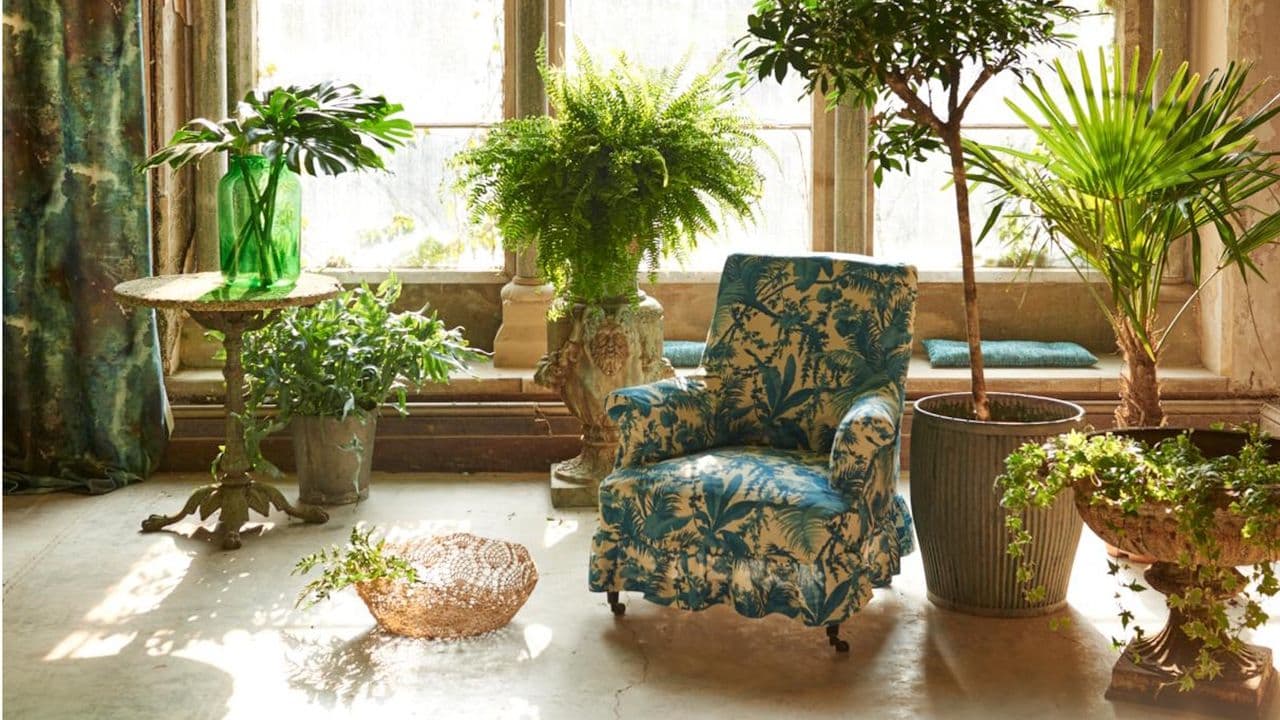
The most foundational rule of layering houseplants — and the one designers return to again and again — is the three-tier approach. Think of it exactly like you would a garden border: tall plants at the back, medium plants in the middle, and low-growing or trailing plants at the front or along the floor.
In a living room context, this might mean placing a dramatic fiddle-leaf fig or a tall monstera in a corner to anchor the space vertically. A mid-height plant like a bird of paradise or a lush peace lily sits beside the sofa or on a side table. Then at floor level or on low shelves, trailing pothos, string of pearls, or creeping jenny spill over the edges, softening the hard lines of furniture.
This structure creates a natural visual flow that draws the eye upward and outward simultaneously, giving the impression of genuine abundance even if you only have a handful of plants working together.
2. Mix Leaf Shapes and Textures Deliberately
One of the most common mistakes people make when decorating with houseplants is grouping plants that all look roughly the same — broad leaf beside broad leaf, trailing plant beside trailing plant. Interior designers do the opposite. They actively seek contrast in foliage.
Pairing the large, glossy, paddle-shaped leaves of a rubber plant with the feathery, delicate fronds of a Boston fern creates immediate visual tension in the best possible way. Add in the spiky structure of a snake plant or a ponytail palm and suddenly you have a composition that feels complex, intentional, and alive.
The principle here is simple: variety in texture prevents the eye from glazing over. When every leaf looks different, the grouping rewards attention. Designers often think of it like arranging a bouquet — round shapes, spiky shapes, and trailing shapes always belong together.
3. Use Plant Stands and Risers to Create Visual Movement
Placing every plant directly on the floor or on a flat shelf is a guaranteed way to flatten your arrangement. Interior designers rely heavily on plant stands, stacked books, wooden crates, stools, and decorative risers to elevate plants to varying heights within the same cluster.
This trick is especially powerful in living rooms where floor space is limited. Rather than spreading plants across the entire room, you can build a lush, concentrated vignette in one corner using five or six plants arranged on stands of different heights. The result looks far more intentional and impactful than the same plants spread thinly around the room.
Rattan and bamboo stands have become particularly popular in recent years because they add their own organic texture to the display, complementing foliage rather than competing with it. When choosing risers, aim for a range of heights spanning from about six inches off the ground all the way up to three or four feet for maximum layering effect.
4. Play with Light and Shadow Using Strategic Placement
Experienced interior designers don't just think about where a plant looks good — they think about how light will interact with it throughout the day. Placing a plant with large, translucent leaves directly in front of a window creates a stunning backlit effect as sunlight filters through the foliage. Grouping shade-tolerant plants in darker corners fills dead zones with life without sacrificing plant health.
Understanding light requirements also allows you to layer more boldly. When you know which plants can thrive in lower light, you can confidently bring greenery into every corner of your living room rather than clustering everything near the one sunny window. Cast iron plants, ZZ plants, and heartleaf philodendrons are all designer favorites for filling in the shadowy layers that brighter plants can't reach.
5. Vary Your Pot Materials and Colors for a Cohesive Yet Rich Look
The containers you choose are as much a part of the layered look as the plants themselves. Interior designers typically choose a cohesive palette of two or three complementary pot materials — such as terracotta, matte ceramic, and woven seagrass — and repeat them throughout the grouping in different sizes.
This creates unity without uniformity. The grouping reads as curated and considered rather than mismatched or accidental. Neutral tones like cream, sand, charcoal, and natural terracotta tend to keep the focus on the plants themselves while still adding warmth and texture to the overall display.
Start Layering and Watch Your Living Room Transform
Creating a lush indoor jungle in your living room isn't about filling every available surface with plants. It's about placing the right plants at the right heights, with the right textures, in the right light, and in containers that tie the composition together. Use these five designer-approved layering tricks and you'll find that even a modest collection of houseplants can transform an ordinary living room into something that feels genuinely verdant, alive, and beautifully designed.
Start small — pick one corner and build your three tiers there first. Once you see the difference layering makes, the rest of the room will follow naturally.