
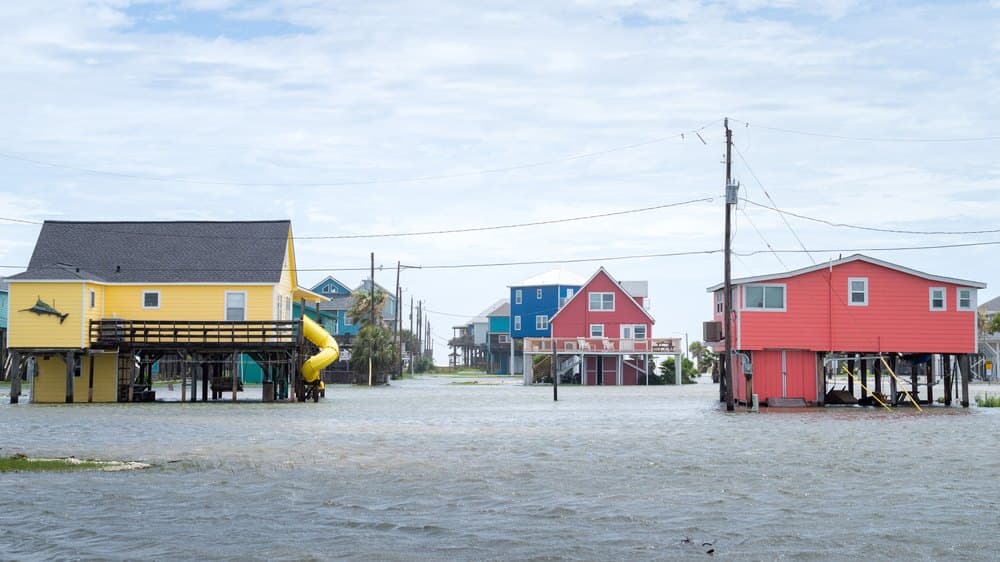
The Flood Risk No New Homeowner Expects
There's a deeply satisfying feeling that comes with moving into a brand-new home. Fresh paint, untouched floors, modern appliances — everything is exactly as it should be. Many new homeowners assume that along with all these upgrades comes a reduced risk of the problems that plague older properties. Flooding, they figure, is someone else's problem.
That assumption can be dangerously wrong.
Just ask Gloria Odunsi, a first-time homeowner from Abilene, TX, who experienced flooding in her new-construction home not once, but twice — all within seven weeks of moving in. "I'm so traumatized. I don't know. I'm devastated. It's a brand-new house. What is going on? All my properties are damaged," she told local news station KTXS-TV.
Her story is a sobering reminder that the age of a home has very little to do with its vulnerability to water damage. With flash flooding becoming increasingly common across the Deep South and heavy rain seasons growing more intense nationwide, new homeowners need to understand the flood risks that can come even with a freshly built property — and take action before disaster strikes.
Why New-Construction Homes Are Not Automatically Flood-Safe
Many buyers make the logical but mistaken leap that newer construction means better protection. In reality, a new home's flood risk has far less to do with the structure itself and far more to do with what surrounds it.
"Unfortunately, a newly built home does not automatically mean a lower flood risk. In many cases, the opposite can occur if the surrounding drainage infrastructure, grading, retention systems, or stormwater planning were not designed properly," says Jon Brooks, founder of Momentum Realty in Jacksonville, FL.
This is a critical distinction. A builder may construct a structurally sound home, but if the lot grading directs water toward the foundation, if the neighborhood's stormwater system is undersized, or if nearby retention ponds are poorly maintained, heavy rain can quickly overwhelm the property regardless of how new it is.
In rapidly developing areas, the problem can actually be worse than in established neighborhoods. As land is cleared and paved for new subdivisions, natural absorption is reduced. The ground that once soaked up rainwater is replaced with concrete, compacted soil, and rooftops — all of which shed water quickly and direct it toward drainage systems that may not yet be fully operational or adequately sized for the community's eventual footprint.
Key Flood Risk Factors to Evaluate Before You Buy
If you are shopping for a new-construction home or have recently moved into one, there are several important factors worth evaluating carefully.
- Lot grading and drainage: The land around your home should slope away from the foundation in all directions. Poor grading is one of the most common causes of water intrusion in new builds and is sometimes a result of rushed site preparation during construction.
- Stormwater infrastructure: Ask the builder or the local municipality about the stormwater management plan for the development. Are retention ponds in place? Are drainage pipes and culverts properly sized for the area's rainfall patterns?
- FEMA flood zone designation: Check your property's flood zone status using FEMA's Flood Map Service Center. Even if a home is newly built, it may still sit in or near a designated flood zone, which significantly raises the risk of water damage during major storms.
- Neighborhood development stage: In partially built subdivisions, drainage systems may not yet be fully installed or connected. This can leave early buyers more exposed to flooding until the development is complete.
- Local flood history: Research how the surrounding area has handled past flood events. Talk to neighbors, check local news archives, and consult with your real estate agent about any known drainage issues in the area.
Flood Insurance: Why New Homeowners Still Need It
One of the most common mistakes new homeowners make is assuming their standard homeowner's insurance policy covers flood damage. It almost never does. Flood damage typically requires a separate flood insurance policy, either through the National Flood Insurance Program (NFIP) or a private insurer.
Even if your lender does not require flood insurance because your home falls outside a high-risk flood zone, that does not mean you are safe. According to FEMA, more than 20% of flood insurance claims come from properties located outside high-risk flood areas. The cost of a policy in a moderate- or low-risk zone is often surprisingly affordable and well worth the peace of mind.
If your new-construction home sits in a designated Special Flood Hazard Area (SFHA), your lender will almost certainly require flood insurance as a condition of the mortgage. But even outside those zones, purchasing a policy proactively is a smart financial decision for any homeowner.
Practical Steps to Protect Your New Home From Flooding
Beyond insurance, there are several concrete measures new homeowners can take to reduce flood risk and minimize potential damage.
- Inspect your grading regularly: After the first few heavy rains, walk the perimeter of your home and observe where water flows. If it pools near your foundation, consult a landscaping professional about regrading.
- Install a sump pump: Even new homes in low-lying areas can benefit from a sump pump in the basement or crawl space. Consider adding a battery-powered backup in case of power outages during storms.
- Keep gutters and downspouts clear: Direct downspouts at least four to six feet away from your foundation to prevent water from saturating the soil near your home's base.
- Document your belongings: Create a detailed home inventory with photos and receipts. Store this documentation securely off-site or in the cloud so it is accessible if you ever need to file a flood claim.
- Stay informed about local infrastructure: Attend HOA meetings, follow local government announcements, and stay aware of any planned changes to drainage systems in your area.
The Bottom Line: New Doesn't Mean Risk-Free
A newly built home is one of the most exciting purchases a person can make. But excitement should not replace due diligence. Flood risk is real, it is widespread, and it does not discriminate between old and new construction. Whether you are buying a new-construction property or already living in one, taking the time to assess your flood risk, secure the right insurance, and implement preventive measures can save you from the kind of devastating experience that Gloria Odunsi and countless other homeowners have faced. The best time to prepare for a flood is before one ever happens.