
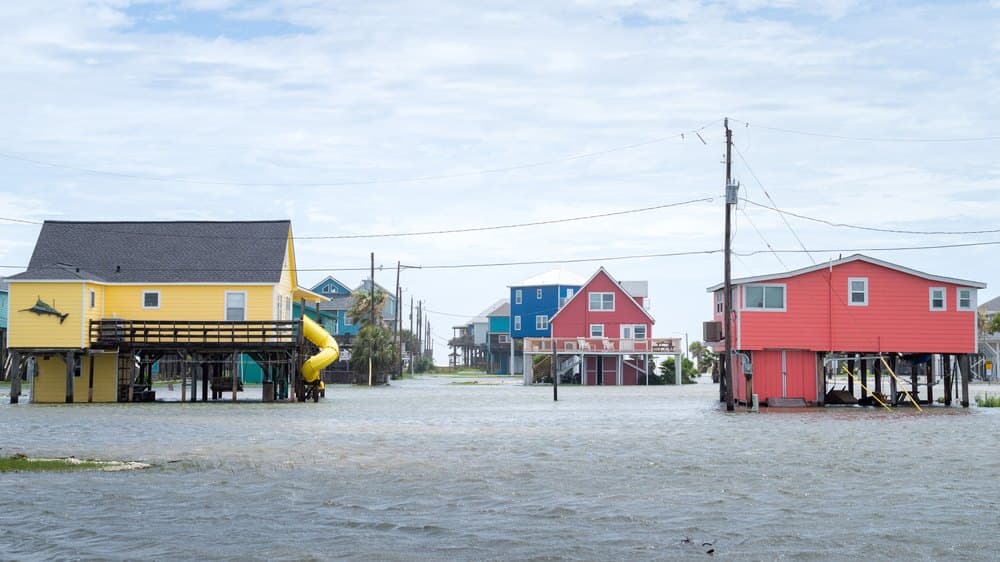
The Dangerous Myth That New Homes Are Flood-Proof
There is a comforting assumption many new homeowners make when they sign the papers on a brand-new build: newer means safer. New wiring, new plumbing, new roof — surely a new home is better protected against the elements too, right? Unfortunately, when it comes to flooding, that assumption can be dangerously wrong.
Just ask Gloria Odunsi, a first-time homeowner from Abilene, TX, who watched her brand-new house flood not once, but twice — all within just seven weeks of moving in. "I'm so traumatized. I don't know. I'm devastated. It's a brand-new house. What is going on? All my properties are damaged," she told local news station KTXS-TV. Her story is not an isolated incident. Across the Deep South and beyond, new-construction homeowners are discovering a hard truth: a new home does not come with a built-in guarantee against flood damage.
Why New Construction Homes Are Still Vulnerable to Flooding
It seems counterintuitive. Builders follow modern codes, use updated materials, and construct homes on freshly graded land. So why do so many newly built homes still flood?
The answer, according to real estate and construction experts, often has less to do with the structure of the house itself and more to do with everything surrounding it.
"Unfortunately, a newly built home does not automatically mean a lower flood risk. In many cases, the opposite can occur if the surrounding drainage infrastructure, grading, retention systems, or stormwater planning were not designed properly," says Jon Brooks, founder of Momentum Realty in Jacksonville, FL.
In other words, the problem is frequently systemic. A single new home sits within a broader landscape of roads, neighboring lots, retention ponds, and municipal storm drains. If any part of that system is inadequately planned or poorly executed, water has to go somewhere — and it often finds the path of least resistance directly into someone's home.
Key Factors That Put New Builds at Risk
Understanding the specific risk factors can help prospective and current homeowners make smarter decisions. Here are the most common culprits behind flooding in new construction homes.
Poor Land Grading
Proper grading means the ground around your home slopes away from the foundation, directing rainwater into drainage areas rather than toward your home. When a builder rushes grading or cuts corners, water pools around the foundation and eventually seeps inside. Even slight miscalculations in slope can lead to significant water intrusion during heavy rain events.
Inadequate Stormwater Infrastructure
New developments frequently outpace the stormwater infrastructure meant to support them. As more homes are built in an area, impervious surfaces like driveways, roads, and rooftops replace natural ground that once absorbed rainfall. If storm drains, retention ponds, and drainage easements are not properly scaled to handle the increased runoff, flooding becomes a recurring problem for the entire neighborhood.
Proximity to Flood-Prone Areas
Developers sometimes build in areas that were previously considered marginal or even unsuitable for residential construction. As demand for housing grows, land that sits near waterways, in low-lying basins, or within updated FEMA flood zones gets developed anyway. New homeowners may not realize they are purchasing property in a high-risk flood area simply because the house itself looks pristine and modern.
Lack of Retention Systems
Some communities rely on engineered retention and detention basins to manage large volumes of stormwater. When these systems are undersized, improperly maintained, or simply absent from a new development's plan, neighborhoods become vulnerable during periods of heavy rainfall — precisely the kind of flash flooding that has become more common across the South and Midwest in recent years.
What You Should Do Before Buying a New Construction Home
If you are in the market for a new build, flood risk should be part of your due diligence checklist just as much as school ratings or HOA fees. Here are the steps every prospective buyer should take.
- Check the FEMA Flood Map: Visit the FEMA Flood Map Service Center online and enter the property address. This will tell you whether the home falls within a designated Special Flood Hazard Area (SFHA) or a lower-risk zone. Keep in mind that flood maps are not always up to date, so treat them as a starting point rather than the final word.
- Ask about drainage and grading plans: Request documentation from the builder that outlines how stormwater will be managed on the property and in the surrounding development. A reputable builder should be able to provide this information readily.
- Research the neighborhood's flooding history: Even if the land is newly developed, the surrounding area may have a documented history of flooding. Talk to neighbors, check local news archives, and consult with your real estate agent about any known water issues in the vicinity.
- Hire an independent inspector: Do not rely solely on the builder's inspection. Hire a licensed, independent home inspector with experience identifying drainage and grading issues before you close on the property.
- Purchase flood insurance: Many homeowners are surprised to learn that standard homeowner's insurance policies do not cover flood damage. Even if your home is not located in a high-risk flood zone, flood insurance through FEMA's National Flood Insurance Program (NFIP) or a private insurer is a wise investment.
Protecting Your New Home After You Move In
If you have already moved into a new construction home, it is not too late to take proactive steps to reduce your flood risk. Start by monitoring how water behaves on your property during and after heavy rain. If you notice water pooling near the foundation or flowing toward the house rather than away from it, contact a licensed grading or drainage contractor immediately.
You should also consider installing a sump pump in the basement or crawl space, adding window well covers, and sealing any visible cracks in the foundation. Elevating appliances and electrical systems above ground level can significantly reduce the cost of damage if water does enter the home.
Staying in communication with your homeowners association and local municipality about drainage maintenance is equally important. Many flooding problems in new developments stem from clogged storm drains or neglected retention basins that simply need routine upkeep.
The Bottom Line: New Does Not Mean Safe
The story of Gloria Odunsi is a sobering reminder that the appeal of a new home does not extend to immunity from natural disasters. As flash flooding becomes more frequent and more severe across the United States, every homeowner — regardless of whether their home was built last year or fifty years ago — needs to take flood risk seriously.
Whether you are still shopping for a new construction home or are already living in one, doing your homework, asking the right questions, and taking practical protective measures could be the difference between a minor inconvenience and a life-altering loss. Your home may be new, but water has no respect for a fresh coat of paint.