
Other Circle Returns to Copenhagen With a Bold Second Edition
Design exhibitions come in many forms, but few manage to genuinely surprise their audiences the way Other Circle does. The second edition of this Copenhagen-based design showcase returned in 2026 with a clear and ambitious ambition: to draw inspiration not from the narrow world of product design alone, but from creative culture as a whole. The result is an exhibition that feels less like a trade fair and more like a living, breathing cultural statement — one that challenges the boundaries between design, art, fashion, music, and the everyday objects that define how we live.
For design enthusiasts, industry professionals, and curious visitors alike, Other Circle has quickly established itself as one of the most thought-provoking events on the Scandinavian design calendar. Its second edition only reinforced that reputation, presenting a curated selection of pieces that ranged from the deeply personal to the delightfully absurd.
What Is Other Circle?
Other Circle is a Copenhagen-based design exhibition that positions itself deliberately outside the mainstream design fair circuit. Where many exhibitions prioritize commercial viability and market-ready products, Other Circle celebrates the experimental, the conceptual, and the culturally resonant. It brings together designers who are willing to ask uncomfortable questions, subvert expectations, and treat everyday objects as vehicles for broader commentary.
The exhibition's name itself hints at its philosophy — it exists in another circle, separate from conventional design culture, drawing energy from the full spectrum of human creativity. Fashion, music, subcultures, internet culture, nostalgia, humor, and grief are all fair game as sources of inspiration here.
Creative Culture as the Ultimate Design Brief
The defining theme of the 2026 edition was the idea that design can — and should — be informed by creative culture in its entirety. Curators and participating designers were encouraged to look beyond traditional design references and instead absorb influence from wherever creativity lives: record sleeves, street art, cinema, meme culture, craft traditions, and even the rituals surrounding death.
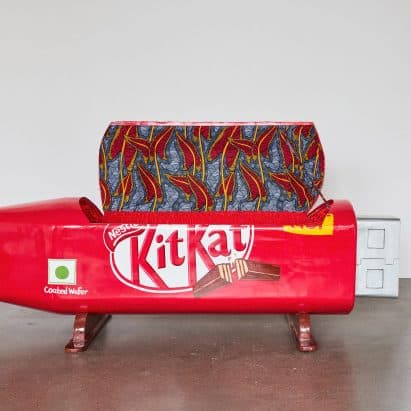
This wide-angle approach to inspiration produces work that feels genuinely fresh. Rather than iterating on existing design languages, the pieces at Other Circle often land in unexpected territory. One striking example that drew significant attention was a coffin designed to resemble a Kit Kat chocolate bar, complete with a USB stick — a piece that manages to be simultaneously humorous, melancholic, and sharply contemporary. It asks questions about consumer culture, digital legacy, and how we choose to mark the end of a life, all wrapped in the instantly recognizable visual language of a mass-market snack.
This kind of work is emblematic of what Other Circle does best: it takes the visual vocabulary of popular culture and redirects it toward something more meaningful and more unsettling than its original context ever intended.
Why Copenhagen Is the Perfect Host City
It is no accident that Other Circle has found its home in Copenhagen. The Danish capital has long been recognized as one of Europe's most vital creative hubs, with a design culture that balances a deep respect for craft and functionality with an increasing appetite for experimentation and provocation. Copenhagen nurtures designers who are educated in rigorous Scandinavian traditions but who are also deeply plugged into global creative movements.
The city's galleries, studios, independent shops, and cultural institutions create an ecosystem in which a show like Other Circle can thrive. Visitors arrive already attuned to design as a cultural language, making them receptive to work that demands more than passive appreciation. Copenhagen's design community has embraced Other Circle as a platform that represents where the discipline is heading, rather than where it has been.
The Designers Behind the Vision
Each edition of Other Circle brings together a carefully selected group of designers whose practices share a common thread: the belief that design is always in conversation with the wider world. The participating designers in the 2026 edition represented a range of backgrounds, nationalities, and disciplines, united by their willingness to treat creative culture — in all its chaos and richness — as a legitimate and inexhaustible source of material.
The works on display ranged from functional objects reimagined through unexpected lenses to purely conceptual pieces that prioritize idea over utility. This tension between the practical and the philosophical is one of the most energizing qualities of the exhibition, keeping audiences engaged and occasionally off-balance in the most productive way.
What Other Circle Means for the Future of Design
The success of Other Circle's second edition points toward something important happening in contemporary design culture. There is a growing appetite for design that means something beyond its immediate function — work that reflects the complexity of modern life, that engages with cultural references, that dares to be strange or funny or mournful or irreverent.
As design audiences become more culturally literate and more skeptical of purely commercial aesthetics, exhibitions like Other Circle provide a vital counterweight. They remind us that the designed object is never neutral — it always carries meaning, always reflects the culture that produced it, and always has the potential to say something worth hearing.
- Other Circle challenges designers to look beyond traditional design references for inspiration.
- The 2026 Copenhagen edition featured conceptually ambitious work spanning humor, grief, consumer culture, and digital identity.
- Copenhagen's thriving creative ecosystem makes it an ideal home for an exhibition of this kind.
- The show represents a broader shift in design culture toward meaning, experimentation, and cultural engagement.
A Design Exhibition Worth Watching
Other Circle is still a young exhibition, but it has already demonstrated a rare clarity of vision. By rooting itself in creative culture as a whole rather than in the narrower traditions of product design, it has created space for work that genuinely surprises, challenges, and resonates. Its second Copenhagen edition was a confident step forward, and there is every reason to believe that future editions will continue to push the conversation in directions that few other design platforms are willing to go.
For anyone with an interest in where design, art, and culture intersect, Other Circle deserves a prominent place on the radar. It is, quite deliberately, unlike anything else on the design calendar — and that is precisely the point.