
Project Materia and Mater Reimagine Waste as Luxury Furniture
What if the discarded electronics cluttering landfills and the coffee shells tossed aside by roasters every day could be transformed into beautifully crafted, functional furniture? That is exactly the vision behind Project Materia, the ambitious exhibition platform that returned to Copenhagen's prestigious 3 Days of Design festival with its latest and perhaps most compelling edition yet. Partnering with the innovative Danish brand Mater, the project brought together a curated group of designers and artists dedicated to proving that sustainability and high-end aesthetics are not mutually exclusive — they are, in fact, a natural pairing.
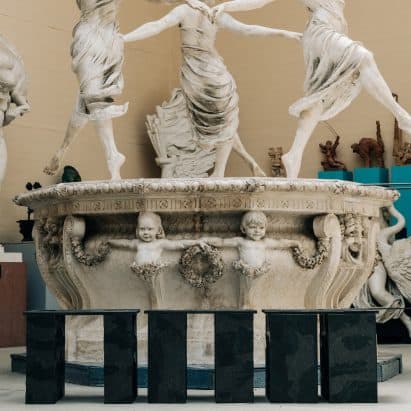
The results are striking. Benches, tables, and decorative objects crafted from electronic waste and coffee shells sit confidently alongside antique sculptures, demonstrating that materials once destined for disposal can carry genuine beauty, cultural weight, and lasting value. In an era when the design world is under growing pressure to reduce its environmental footprint, Project Materia offers a tangible, inspiring model for what circular design can look like in practice.
What Is Project Materia?
Project Materia is an ongoing exhibition concept dedicated to exploring the creative and commercial possibilities of recycled and upcycled raw materials. Each edition invites designers, craftspeople, and artists to work with a specific set of unconventional or waste-derived materials, challenging them to rethink value, process, and form from the ground up.
Rather than treating sustainability as a constraint or a marketing label, Project Materia positions it as a genuine creative driver. The resulting pieces are not apologies for using waste — they are celebrations of it. The platform has built a reputation for showcasing work that is both intellectually rigorous and visually arresting, making it one of the more thought-provoking fixtures on the Nordic design calendar.
Mater: A Brand Built on Circular Principles
Mater, the Copenhagen-based furniture and design brand, is a fitting partner for this initiative. Founded with sustainability embedded into its DNA, Mater has long championed the use of certified materials, responsible production methods, and long-lasting design that resists the disposability culture dominating so much of the contemporary furniture market.
The brand's collaboration with Project Materia allowed it to push its material experimentation even further — moving beyond responsibly sourced timber and recycled ocean plastic into genuinely novel territory: e-waste composites and agricultural byproducts like coffee shells. For Mater, the partnership was an opportunity to demonstrate that circular design can scale, that it can be commercially viable, and that it can be beautiful enough to sit in a gallery alongside pieces of historical significance.
Furniture From Electronic Waste: Turning the Toxic Into the Treasured
Electronic waste — or e-waste — is one of the fastest-growing waste streams on the planet. Old computers, mobile phones, circuit boards, wiring, and countless other discarded devices pile up at a rate the global recycling infrastructure has consistently struggled to handle. Much of this material contains valuable metals and recoverable compounds, yet the majority ends up in landfill or is exported to informal recycling operations with significant environmental and human health consequences.
The designers working within Project Materia's latest edition approached this problem not as recyclers but as material innovators. By processing and reforming components derived from electronic waste, they developed surfaces, panels, and structural elements with a distinctive visual identity — one that carries the history of the material within it. The result is furniture that tells a story. Flecks of circuit board, the texture of compressed plastic casings, and the tonal variation of mixed electronic components give each piece a uniquely complex aesthetic that no virgin material could replicate.
- E-waste-derived panels are processed to remove hazardous elements before being reformulated into stable, workable composites.
- The resulting material has a rich, layered visual texture that references its industrial origins while feeling entirely contemporary.
- Each piece effectively removes a small portion of harmful waste from the disposal cycle, embedding an environmental act within an object of everyday use.
Coffee Shells: An Overlooked Agricultural Byproduct Finds New Purpose
The use of coffee shells — also known as coffee husks or cascara — is another highlight of this edition. Coffee is one of the world's most widely consumed commodities, and its production generates enormous quantities of organic byproduct. The outer shell of the coffee cherry, removed during processing, has historically been treated as agricultural waste, composted at best and discarded at worst.
Designers working with this material found that, when properly processed and bound, coffee shells produce a surprisingly robust and visually interesting composite. The warm, earthy tones of the material lend pieces a natural warmth that feels at home in both contemporary and traditional interiors. It is also a material with an inherently pleasant provenance — one that connects the object to a global agricultural chain most furniture buyers never think about.
- Coffee shell composites offer excellent compressibility and can be formed into flat panels or more complex shapes depending on the binding agent used.
- The material's natural color range — from pale tan to deep ochre — reduces the need for dyes or surface treatments.
- Using coffee shells in furniture production creates an additional revenue stream for coffee farmers, potentially improving the economics of sustainable farming.
Design Meets History: The Exhibition Context
One of the most visually compelling aspects of the Project Materia presentation at 3 Days of Design was the deliberate decision to display new works made from industrial and agricultural waste in proximity to antique sculptures. This curatorial choice was not accidental. It made a quiet but powerful argument: that objects made from the discards of our time carry the same potential for cultural meaning as the artifacts of past centuries.
A bench made from e-waste composites positioned in front of a classical sculpture does not look out of place — it looks like a continuation of the same human impulse to find beauty in material, to make something lasting from what is available. The juxtaposition invites visitors to reconsider how they assign value to objects, and to ask why a piece of furniture made from a discarded laptop should be worth any less than one made from freshly quarried stone.
Why Sustainable Furniture Design Matters More Than Ever
The furniture industry is a significant contributor to global resource consumption and waste. Deforestation, the use of toxic adhesives and finishes, fast-furniture culture, and the short lifespan of mass-market pieces all add up to a substantial environmental toll. Against this backdrop, initiatives like Project Materia and brands like Mater represent something genuinely important: a proof of concept that the industry can do better.
Sustainable furniture design is no longer a niche concern for ethically motivated consumers. It is increasingly a mainstream expectation, driven by tightening environmental regulations, growing consumer awareness, and the basic recognition that the current model is not viable long-term. Projects that demonstrate high-quality, desirable, commercially credible alternatives are essential to accelerating that transition.
The Future of Material Innovation in Design
Project Materia's latest edition at 3 Days of Design is a reminder that the most exciting material innovation happening in design right now is not in the development of entirely new synthetic compounds — it is in the intelligent reappraisal of what we already have and what we routinely throw away. Electronic waste and coffee shells are just two examples. Across the design world, innovators are finding potential in oyster shells, textile offcuts, demolished building materials, food processing waste, and agricultural residue of every kind.
The challenge is not finding the materials. They are everywhere, generated in vast quantities by the economies we already have. The challenge is building the design culture, the production infrastructure, and the consumer appreciation needed to make these materials the standard rather than the exception. Project Materia and Mater are contributing meaningfully to all three, and the results — striking, intelligent, and genuinely beautiful — suggest that the future of furniture design may look very different from its past.