
Why June Is the Perfect Month for Strategic Pruning
June sits at a sweet spot in the gardening calendar. Spring's explosive growth has settled into a steady rhythm, summer heat is just beginning to make itself known, and many flowering plants are either at their peak or just past their first flush of blooms. This makes June the ideal window for targeted pruning that accomplishes two goals at once: encouraging a second wave of long-lasting flowers and reining in plants that can quickly outgrow their welcome in a border or bed.
Pruning at the right time isn't just about aesthetics — it's about understanding how plants grow. When you remove spent flowers, cut back overly long stems, or thin out congested growth in June, you redirect the plant's energy away from seed production and back into root development, lateral shoot growth, and, most importantly, fresh flowering. The result is a garden that looks vibrant well into autumn rather than peaking and fading by midsummer.
Below are seven plants that respond exceptionally well to June pruning, along with practical advice on how to cut them back for maximum benefit.
1. Roses
Roses are the quintessential June pruning candidate. Once the first flush of blooms on repeat-flowering varieties begins to fade, deadheading and light pruning are essential. Remove spent flower heads by cutting just above the first set of five healthy leaflets below the bloom. For a more generous cut — which encourages stronger regrowth — prune back to the second or third set of leaflets.
For vigorous climbing roses that have only one flowering period, wait until after they finish blooming before cutting back side shoots. June is also the time to remove any weak, crossing, or rubbing stems to improve airflow and reduce the risk of blackspot and other fungal diseases that thrive in warm, humid conditions.
2. Hardy Geraniums (Cranesbills)
Hardy geraniums are among the most reliable ground-cover perennials, but by early June many varieties look tired and straggly after their spring display. The good news is that these tough plants respond brilliantly to a hard cut. Use a pair of garden shears or scissors to shear the whole plant back by roughly half to two-thirds, removing all the spent flower stems and messy foliage in one go.
Within two to three weeks, fresh mounds of new growth will emerge, and a second flush of flowers typically follows in late summer. This simple June cut transforms a fading plant into a neat, compact mound that contributes to the border for the rest of the season.
3. Salvia
Salvias — both the annual and perennial varieties — benefit enormously from a June trim. Once the first flower spikes have faded or are beginning to look tired, cut them back to just above a pair of healthy leaves or a visible side shoot. This removes the spent growth, triggers branching, and sets the plant up for a prolonged flowering display through summer and into early autumn.
For vigorous varieties like Salvia nemorosa or Salvia × sylvestris, cutting the entire plant back by a third to a half in early to mid-June is the most effective approach. New growth is rapid in the warmth of summer, and the reward is a dense, bushy plant covered in fresh flower spikes.
4. Delphiniums
Tall, stately delphiniums produce their spectacular first flush of spikes in late spring and early June. Once those spikes have fully flowered and begin to fade, cut them right down to the base of the plant, leaving only the basal foliage intact. Feed the plant with a balanced fertilizer after cutting, water well, and a second, smaller flush of flowers will typically appear by late summer or early autumn.
Without this intervention, delphiniums put all their remaining energy into setting seed, and the opportunity for a second display is lost entirely.
5. Wisteria
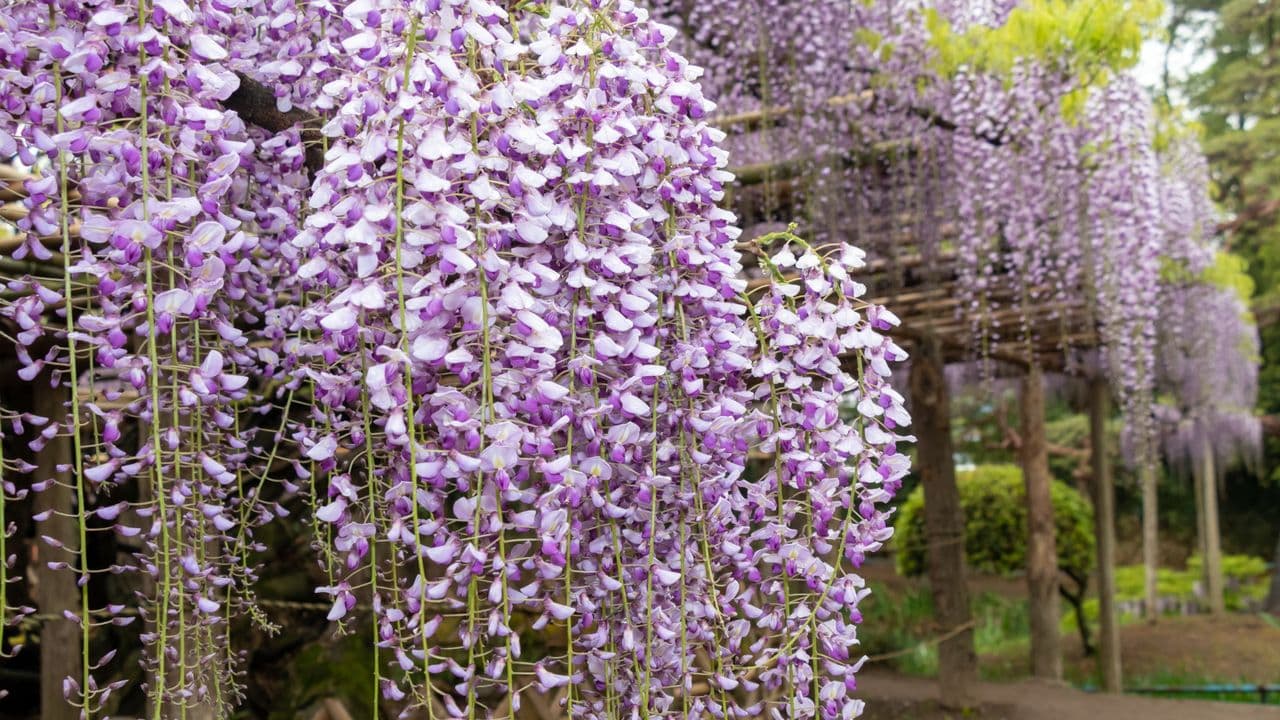
Wisteria is one of the most vigorous climbers in any garden, and without twice-yearly pruning it quickly becomes a tangled, woody mass that flowers poorly. The first of those two essential cuts happens in June or July. Once flowering is over, trim back all the long, whippy new shoots — the ones that have extended well beyond the framework of the plant — to five or six leaves from their base.
This summer pruning discourages excessive leafy growth and encourages the formation of short flowering spurs that will carry next year's blooms. The second prune comes in winter, when those same shoots are shortened further to two or three buds.
6. Philadelphus (Mock Orange)
Philadelphus fills early summer gardens with its intensely fragrant white flowers, but it can become an untidy, congested shrub if left unpruned for several years. June, right after flowering finishes, is the best time to act. Cut back the flowered stems to a strong new shoot lower down the branch, and remove around a quarter of the oldest, woodiest stems at ground level entirely.
This combination of renewal and shaping keeps the plant open, promotes vigorous new growth that will carry next year's flowers, and prevents the shrub from becoming a dense thicket that shades out surrounding plants.
7. Nepeta (Catmint)
Catmint is a June pruning success story. After its first lavender-blue flowering flush, the plant often sprawls outward and the spent flower stems look tatty. Shear the whole plant back by about half — much as you would with hardy geraniums — immediately after the main flush fades.
The plant recovers quickly in warm summer conditions, producing a fresh, compact mound of aromatic silver-green foliage followed by a generous second flush of flowers that can last from late summer right through to the first frosts.
General June Pruning Tips to Keep in Mind
- Always use clean, sharp tools to make neat cuts that heal quickly and reduce the risk of disease entering through ragged wounds.
- Feed plants with a balanced fertilizer after cutting back to fuel rapid regrowth and strong flowering.
- Water thoroughly after pruning, especially during dry spells, to help plants recover and push out new growth efficiently.
- Avoid pruning on extremely hot days if possible — early morning is ideal, as plants are well-hydrated and stress is minimized.
- Compost healthy pruned material or use it for propagation; dispose of any diseased stems in household waste rather than the compost heap.
A More Beautiful Garden Starts With One Good Cut
June pruning is one of the highest-return tasks a gardener can carry out. Spending an hour or two cutting back the seven plants listed above will pay dividends for months, extending the colour and interest in your garden well beyond the summer peak. With the right tools, a little knowledge of how each plant responds, and the confidence to make that decisive cut, you'll find that a well-pruned garden is simply a more rewarding, longer-lasting, and easier-to-manage space throughout the entire growing season.