
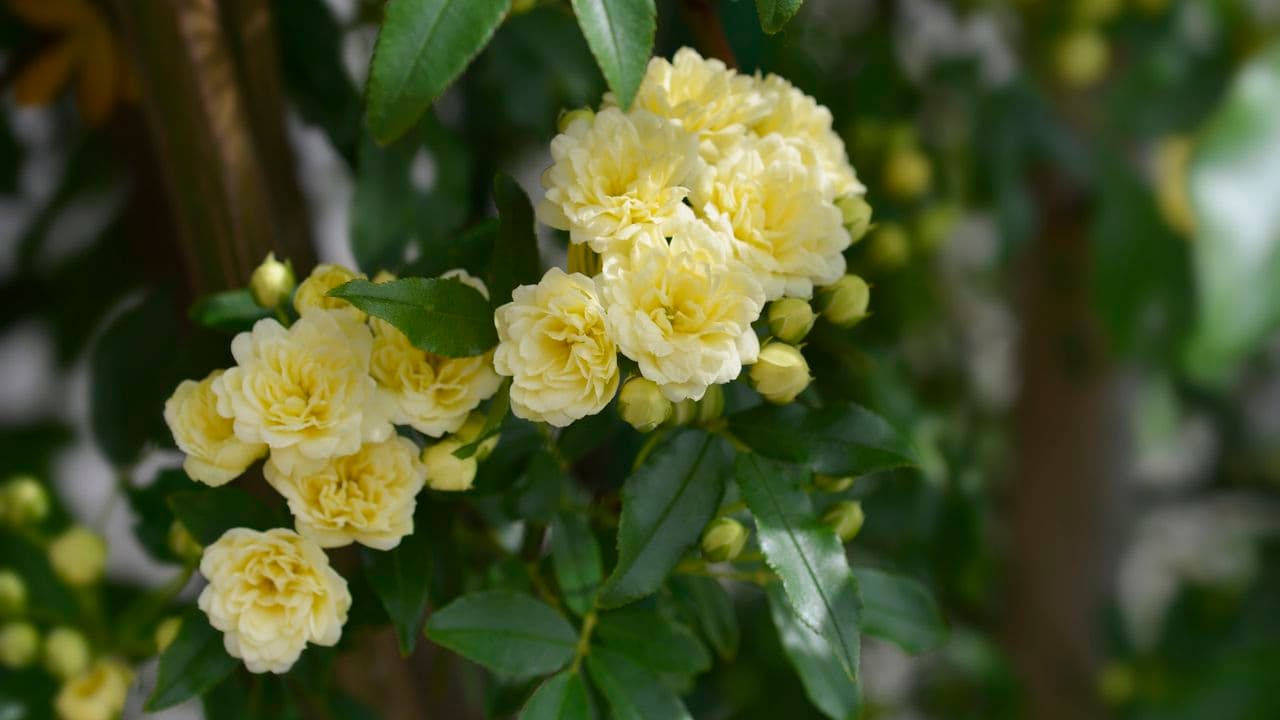
Why June Is the Most Important Month for Your Rambling Rose
If you grow a rambling rose, you already know the magic it brings to a garden — cascading stems draped in clusters of delicate, heavily scented flowers that can stop anyone in their tracks. But here's what many gardeners miss: what you do (and don't do) in June can make or break the rest of the flowering season. June sits right at the crossroads between the first flush of blooms and the potential for a spectacular repeat performance stretching all the way into fall. Get your June care routine right, and your rambling rose will reward you far beyond what you imagined possible.
This guide walks you through everything your rambling rose needs this month — from smart pruning decisions to the right feed at the right time — so you can enjoy the biggest, most fragrant bloom clusters your plant has ever produced.
Understanding How Rambling Roses Bloom
Before diving into care tips, it helps to understand what you're working with. Rambling roses are often confused with climbing roses, but there are key differences that affect how you care for them. Ramblers typically produce one dramatic, abundantly scented flush of flowers in early summer, usually on long arching canes that grew the previous year. However, many modern rambling varieties — and some well-established heritage types — are capable of a second, and even a third, flush of blooms through summer and into autumn if conditions are right and the plant is properly supported.
The secret lies in new growth. Rambling roses flower most prolifically on young, vigorous shoots. So anything you do in June to encourage that new growth — while protecting what's already blooming — is an investment in your fall display.
Deadheading: Know When to Do It and When to Hold Back
Deadheading is one of the most misunderstood tasks when it comes to ramblers. Unlike bush roses, you should not reflexively deadhead every spent bloom on a rambling rose. Some varieties produce beautiful rose hips in autumn, and cutting off every flower head will sacrifice that display. However, if your variety is a repeat-flowering rambler, deadheading spent clusters promptly in June is one of the single most effective things you can do to trigger a new wave of flowering.
The technique matters too. Don't just snap off the petals. Cut the spent flower stem back to just above the nearest healthy leaf with five leaflets. This redirects the plant's energy away from seed production and toward generating new flowering shoots. Do this consistently throughout June and into July, and you'll notice fresh buds forming within weeks.
Feeding Your Rambling Rose for Maximum Bloom Power
A rambling rose putting on a full bloom display is burning through nutrients at a remarkable rate. Without the right feed at the right time, even a healthy plant will produce smaller clusters with less fragrance and a shorter season. June is the month to get serious about fertilizing.
- Use a high-potassium rose fertilizer. Potassium (the "K" in NPK) promotes flower production, improves disease resistance, and enhances the fragrance of blooms. Look for a specialist rose feed or a tomato fertilizer, both of which are naturally high in potassium.
- Feed every two weeks from June through August. Regular liquid feeding keeps a steady supply of nutrients available when the plant needs them most. A single granular application in spring is not enough to sustain heavy flowering through summer and fall.
- Don't forget magnesium. Magnesium helps roses produce rich, deep green foliage and supports overall vigor. A foliar spray of diluted Epsom salts (magnesium sulfate) once a month in June and July can make a noticeable difference in leaf quality and bloom intensity.
- Water before and after feeding. Applying fertilizer to dry roots can cause nutrient burn. Always water the base of your rose thoroughly before feeding, then water in after applying granular fertilizer.
Training and Tying: Direct Growth Where You Want Blooms
One of the most underrated June tasks for rambling roses is training new growth. As young canes extend rapidly during the warm weeks of June, take time every week or two to guide them horizontally or at a gentle angle along their support structure — whether that's a pergola, arch, fence, or trellis. This is not just about aesthetics. When rose canes are trained horizontally rather than allowed to grow straight upward, they produce lateral shoots all along their length, and it is these laterals that carry the flower clusters. More laterals means more blooms — it really is that simple.
Use soft garden twine or purpose-made rose ties to secure new growth without constricting the cane. Check old ties at the same time and loosen any that have tightened around thickening stems, as these can damage the plant and reduce the flow of nutrients to flowering shoots.
Watering Wisely Through June
Roses are thirsty plants, and a rambling rose with a large framework of mature canes has substantial water needs. In June, as temperatures rise and the plant is simultaneously flowering and putting out new growth, consistent moisture at the roots is essential. Irregular watering — periods of drought followed by a sudden deluge — stresses the plant and can cause bud drop, poor petal quality, and increased susceptibility to fungal diseases like black spot and powdery mildew.
Aim to water deeply at the base of the plant two to three times per week during dry spells, rather than giving shallow, frequent sprinkles that only wet the top inch of soil. A thick mulch of garden compost or wood chip applied around (but not touching) the base of the plant in June will help lock in moisture, regulate soil temperature, and suppress weeds that compete for nutrients.
Pest and Disease Watch in June
June's warm, humid conditions are ideal for roses — but they're equally welcoming to pests and diseases. Catching problems early means you can deal with them before they weaken the plant and reduce flowering. Check the undersides of leaves regularly for aphid colonies, which tend to cluster on soft new growth and can cause buds to distort or fail to open. A strong jet of water from a hose is often enough to dislodge them without resorting to chemicals.
Black spot fungal disease is another June concern. Keep an eye out for dark circular spots on leaves, often followed by yellowing and leaf drop. Improve air circulation around the base of the plant by clearing out congested growth, avoid overhead watering late in the day, and remove any affected leaves promptly to slow the spread.
The Payoff: A Rose That Blooms Into Fall
Rambling roses are generous plants. Given the right attention in June — consistent feeding, thoughtful deadheading, smart training, and steady watering — they respond with an outpouring of bloom that can last for months beyond that first intoxicating early-summer flush. The fragrance alone on a warm September evening makes every bit of effort worthwhile. Start now, stay consistent, and by the time autumn arrives, your rambling rose will have exceeded every expectation you set for it.