
Why Waiting for Rates to Drop Below 6% Could Cost You
If you've been holding your breath, waiting for mortgage rates to fall below 6% before making a move, financial experts have a message for you: don't. While there was a brief dip in early 2026 that gave homeowners a flicker of hope, the consensus among leading forecasters is that 30-year mortgage rates will remain stubbornly parked in the 6% range for the foreseeable future. The days of sub-4% rates are a distant memory, and the sub-6% era many buyers dream of may be further away than anyone wants to admit.
But here's the silver lining that many homeowners are overlooking: if you already have a mortgage and you locked in a rate between 2022 and 2024, there's a very good chance you're sitting on a refinancing opportunity that could save you serious money—over $1,000 per year, in many cases. The window to act may be narrower than you think, and the reason has as much to do with lender capacity as it does with interest rates.
The Refinance Math: How Much Could You Actually Save?
A recent analysis of mortgage data by the Roosevelt Institute delivers a compelling case for refinancing sooner rather than later. Authors Brad Lipton and Peter Carroll, both former senior officials at the Consumer Financial Protection Bureau, examined how falling interest rates could deliver significant financial relief to millions of working- and middle-class American homeowners.
The math is relatively straightforward. If you purchased a home between 2022 and 2024—arguably the most expensive borrowing environment in two decades—there's a strong likelihood your rate sits somewhere at or above 6.75%. Even a modest refinance into a rate in the low-to-mid 6% range could translate into hundreds of dollars saved each month, adding up to well over $1,000 annually on a typical loan balance.
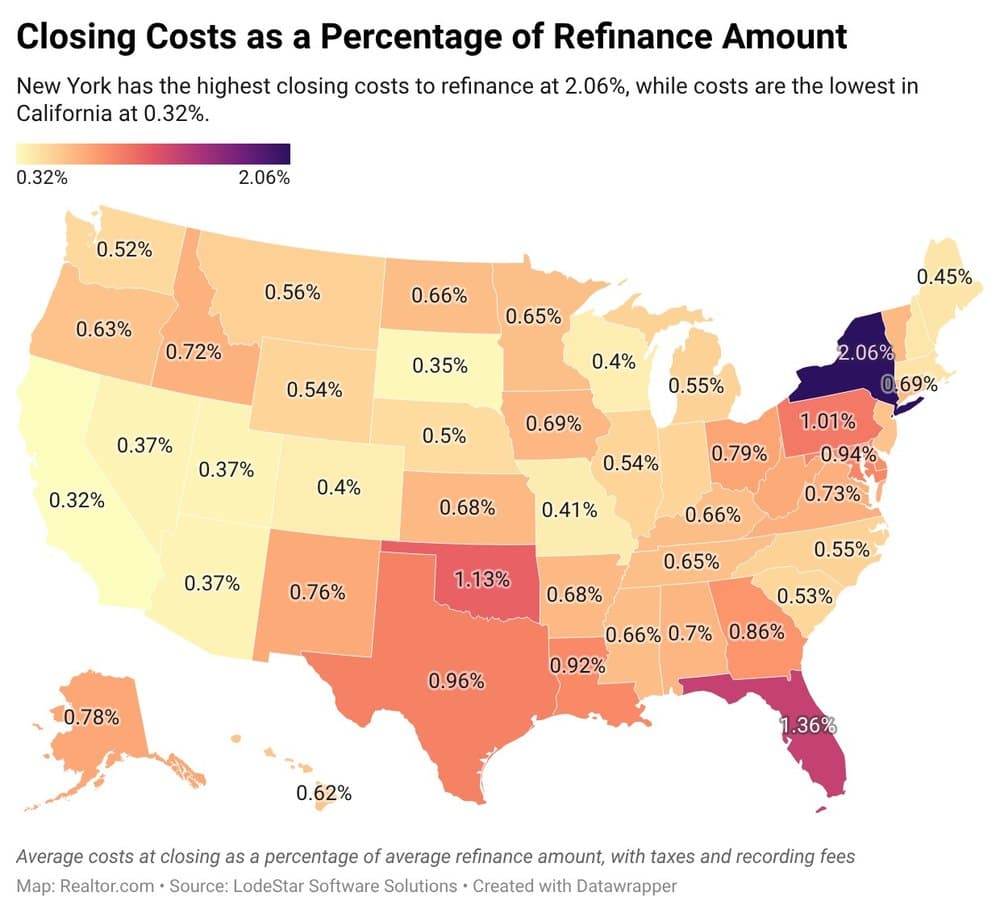
Consider a homeowner with a $350,000 mortgage at 7.25%. Refinancing to a 6.25% rate would reduce the monthly principal and interest payment by approximately $215. Over the course of a year, that's nearly $2,600 back in the homeowner's pocket. Even after accounting for closing costs—which typically range from 2% to 5% of the loan amount—the break-even point for many borrowers could arrive in as little as two to three years.
The Hidden Risk: Getting Lost in the Refinance Rush
Here's a reality that most financial headlines gloss over: when rates do dip meaningfully—especially if they approach or briefly cross below the 6% threshold—lenders will be flooded with refinance applications almost overnight. This isn't speculation; it's a pattern that has played out repeatedly in prior rate cycles.
When demand spikes, lender capacity doesn't scale instantaneously. Loan officers get overwhelmed, processing times stretch from weeks into months, and borrowers who didn't prepare in advance find themselves stuck at the back of the queue. In some cases, the rate environment shifts again before a backlogged application even reaches underwriting. In other words, waiting for the "perfect" rate may mean you never actually capture it.
The homeowners who benefit most in a falling-rate environment are those who did the legwork before the rush: pulling their credit reports, gathering financial documents, understanding their home equity position, and having conversations with lenders before the phones start ringing off the hook.
Who Should Be Thinking About Refinancing Right Now?
Not every homeowner is a strong candidate for refinancing, but a substantial segment of the market is. Here are the primary groups who should be actively evaluating their options today:
- Borrowers who closed between 2022 and 2024 with rates at or above 6.75%. This is the core group identified by the Roosevelt Institute analysis. Even a modest rate reduction can generate meaningful annual savings, especially on larger loan balances.
- Homeowners who took adjustable-rate mortgages (ARMs) during recent years. If your ARM is approaching an adjustment period, refinancing into a fixed-rate product now could lock in predictability before potential rate volatility resumes.
- Buyers who put down less than 20% and are now approaching 20% equity. Refinancing can simultaneously lower your rate and eliminate private mortgage insurance (PMI), creating a double benefit on your monthly payment.
- Those planning to stay in their home for at least three to five more years. The break-even calculation on refinancing closing costs generally requires staying put long enough for monthly savings to exceed upfront expenses.
Steps to Take Before You Contact a Lender
Preparation is everything when it comes to refinancing efficiently. Before you even pick up the phone, there are several foundational steps worth taking to position yourself as a strong, ready-to-move borrower.
Start by checking your credit score. Lenders reserve the best refinance rates for borrowers with scores of 740 or above. If your score has slipped since your original purchase, taking a few months to pay down revolving debt or address any errors on your credit report could meaningfully improve the rate you're offered.
Next, get a clear picture of your home's current value and your loan-to-value (LTV) ratio. Lenders typically want to see an LTV below 80% for the most favorable terms. In many markets, home price appreciation since 2022 may have already pushed homeowners into a stronger equity position than they realize.
Gather your financial documents in advance: two years of tax returns, recent pay stubs, bank statements, and your current mortgage statement. Having these ready dramatically accelerates the application process and signals to lenders that you're a serious, organized borrower—exactly the type they prioritize when their pipelines are full.
The Bottom Line: Timing Matters More Than the Perfect Rate
The instinct to wait for the lowest possible rate before refinancing is understandable, but it's often the wrong strategy. The homeowners who win in a shifting rate environment are those who act with intention and preparation rather than simply reacting to headlines. If your current mortgage rate is at 6.75% or higher, the opportunity to lower your monthly payment and save thousands of dollars over the life of your loan may already be within reach—and it's one worth pursuing before the rest of the market catches on.
Talk to a mortgage professional today, get your documents in order, and explore what a refinance could mean for your financial picture. The time to move is before rates drop enough to make lenders impossible to reach.