
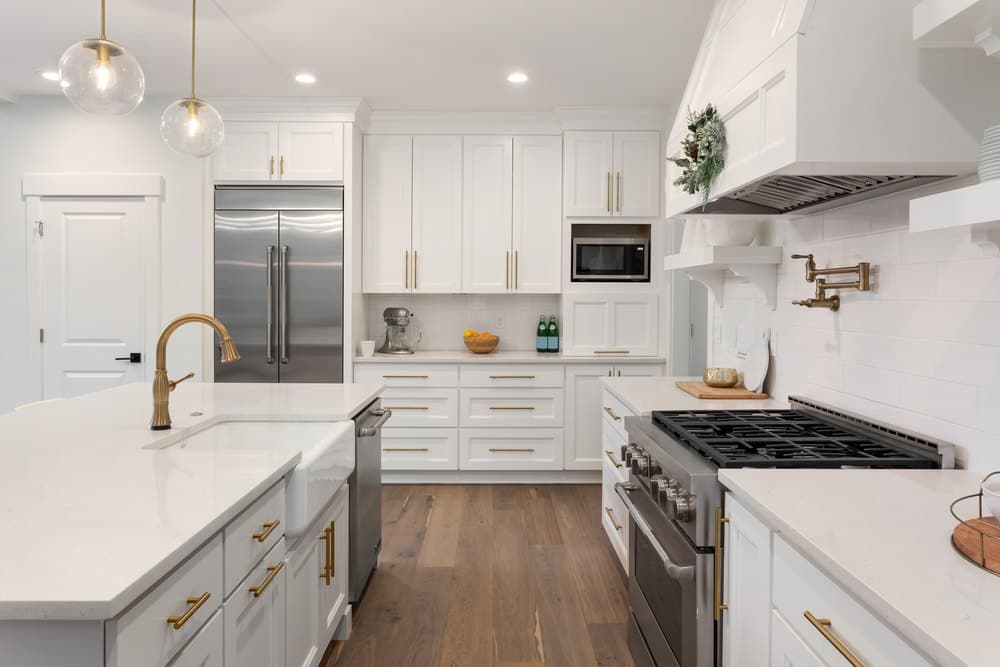
The Surprising Home Sale Killer Hiding in Your Kitchen
When sellers prepare to list their homes, they typically focus on curb appeal, fresh paint, decluttering, and deep cleaning. What most overlook is something far more mundane — and far more damaging to buyer perception than they realize: a mismatched refrigerator. If your kitchen appliances don't coordinate in brand, finish, or style, you could be quietly sabotaging your own sale before buyers even make it past the first showing.
In today's competitive real estate market, where buyers are already stretching their budgets to manage rising mortgage rates and high purchase prices, the last thing they want to inherit is a kitchen that looks like it was assembled from five different decades. A patchwork appliance setup sends a signal — and it's not a good one.
Why Mismatched Appliances Are a Psychological Turnoff for Buyers
Real estate professionals and interior designers consistently report that kitchen cohesion plays an outsized role in how buyers emotionally connect with a home. The kitchen is often considered the heart of the house, and buyers spend a disproportionate amount of mental energy evaluating it during showings. When the refrigerator is a different brand, finish, or generation than the stove and dishwasher, it creates a visual disruption that undermines confidence in the entire property.
"It signals a piecemeal approach to home maintenance that leaves buyers wondering what else was neglected, instantly adding an expensive chore to their post-closing to-do list," says Taylor Lucyk, a licensed real estate broker at the Taylor Lucyk Group in Bergen County, NJ.
That instinctive wariness matters enormously in negotiations. When buyers feel uncertain about a home's maintenance history, they either walk away or come in with lower offers and requests for significant seller concessions. Either outcome costs the seller far more than a proactive appliance upgrade ever would.
Is Fixing the Appliance Mismatch Actually Worth the Investment?
Most real estate experts agree that leaving a mismatched kitchen as-is almost always costs more in the long run than addressing it before listing. This principle applies across price points — whether you're selling a luxury property where high-end buyers have elevated expectations, or a mid-range home where financially cautious buyers are particularly alert to future replacement costs.
The good news is that updating your kitchen appliances to a cohesive set is often far more affordable than sellers assume. According to Lucyk, "A brand-new, cohesive four-piece stainless steel set likely costs less than you may believe. A package generally runs between $2,500 and $5,000." When you weigh that investment against the possibility of a lower offer, a stalled listing, or costly seller concessions, the math becomes straightforward.
Spending $3,000 to $4,000 on a matching appliance package can realistically protect tens of thousands of dollars in your final sale price — especially in markets where buyers have multiple options and will simply move on to a better-presented home.
What Buyers Are Really Seeing When They Walk Into Your Kitchen
It's easy to become desensitized to your own home's quirks. You've lived with that older black refrigerator next to the stainless steel stove for years and stopped noticing the mismatch. But a buyer walking in for the first time sees it immediately. Their brain registers the inconsistency within seconds, and from that moment forward, they're scanning for other signs of deferred maintenance.
This is why professional home stagers and listing agents emphasize the importance of seeing your home through fresh eyes before going to market. A quick walkthrough with your real estate agent — specifically looking for visual inconsistencies in the kitchen — can reveal issues that are easy and cost-effective to resolve before they become negotiating liabilities.
How to Upgrade Smartly Before You List
If you've decided to address your kitchen appliances before listing, there are several strategies to maximize your return on that investment.
- Buy a discounted single-brand package deal. Major appliance retailers frequently offer bundle pricing when you purchase a refrigerator, stove, dishwasher, and microwave from the same brand at the same time. These package discounts can bring the total cost well under what you'd spend buying individual units separately.
- Stick with stainless steel. Stainless steel remains the most universally appealing finish for home buyers across virtually all market segments. It photographs well, reads as clean and modern, and appeals to the broadest demographic range of buyers.
- Don't over-invest in luxury features. Unless you're selling a high-end property where buyers expect premium appliances, you don't need smart fridges or professional-grade ranges. A clean, matching mid-range set accomplishes the same psychological goal at a fraction of the cost.
- Time your purchase strategically. Holiday weekends, end-of-model-year sales, and floor model clearances are all opportunities to purchase quality appliances at significantly reduced prices.
- Consult your real estate agent before buying. Your agent knows your specific market and buyer demographic. They can advise whether a full four-piece upgrade is warranted or whether simply replacing the refrigerator to match existing appliances is sufficient.
The Bigger Picture: First Impressions Drive Final Prices
The refrigerator example is really a lesson in the broader psychology of home selling. Buyers make emotional decisions quickly and then rationalize them afterward. When a home feels cohesive, well-maintained, and move-in ready, buyers feel comfortable offering closer to asking price — sometimes above it. When small details feel off, buyers become cautious and their offers reflect that caution.
Investing in presentation isn't about cosmetic deception. It's about accurately communicating the care you've put into your home. A matching set of appliances tells a buyer that the previous owner was attentive to detail, took pride in the property, and likely maintained the less visible systems — the HVAC, the plumbing, the roof — with the same diligence.
Don't Let a $3,000 Problem Cost You $30,000
Before you list your home, walk into your kitchen and look at it honestly. Do your appliances match in finish, style, and era? If the answer is no, talk to your real estate agent about whether an appliance upgrade makes sense for your market. In many cases, it will be one of the highest-return investments you make in the entire selling process. The goal is simple: give buyers one less reason to hesitate, and one more reason to fall in love with your home on the spot.