
When a "Hello" on LinkedIn Becomes an $850,000 Nightmare
In early 2023, Anola Johnson had every reason to feel optimistic about her life. She had just returned from a trip to Paris, held a job she loved, maintained close relationships with her two adult sons, and was surrounded by a solid circle of friends. Financially, she was in an enviable position: roughly $300,000 in retirement savings and a home north of Salt Lake City that was just two years away from being fully paid off.
Then came a single "hello" message on LinkedIn from a man calling himself "Pedro." He appeared to be a handsome, well-dressed, bespectacled professional in his mid-to-late 50s — a freelance oil rig engineer, according to his profile. "He had a great smile," Johnson later told Realtor.com. "Like somebody you could totally trust. It was all very benign at first. I thought LinkedIn was safe."
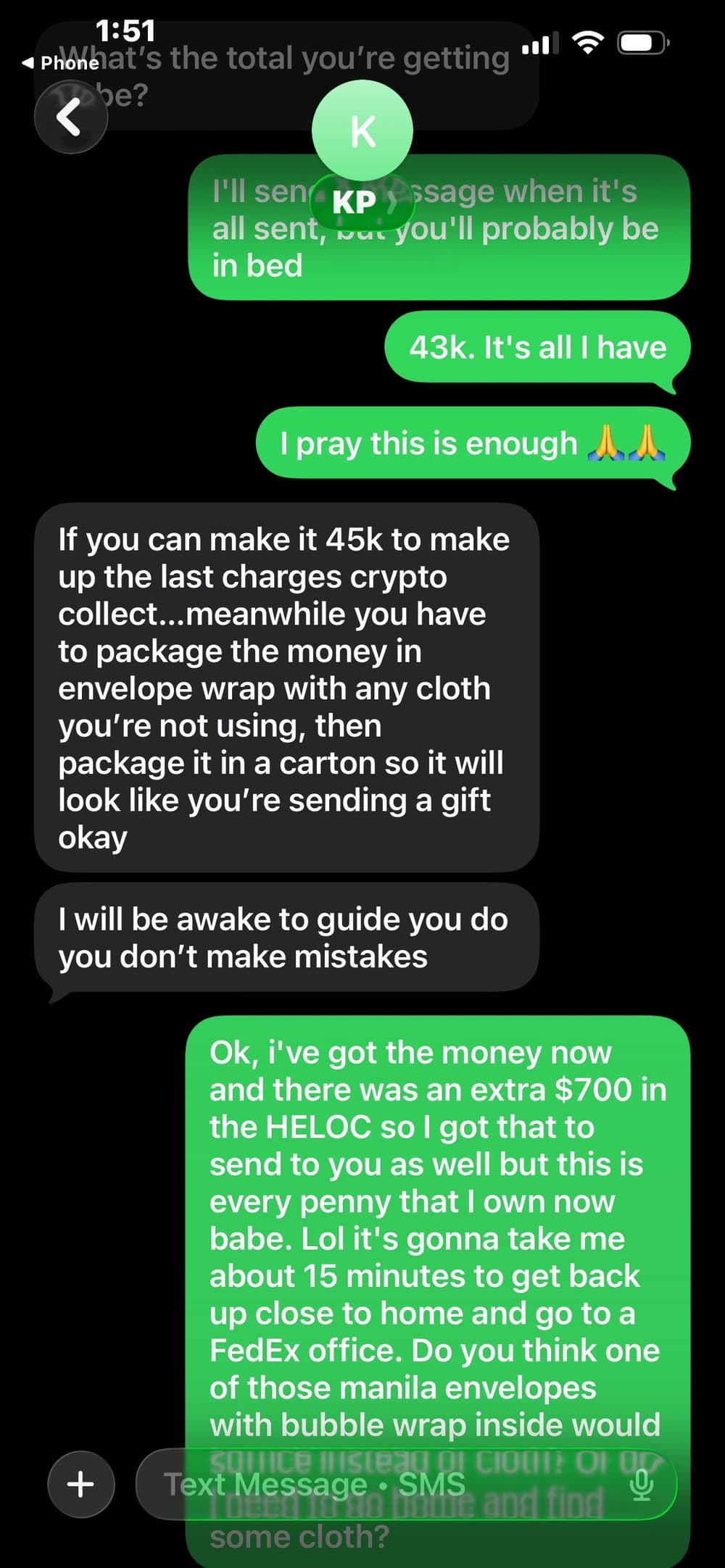
It was not safe. What followed was a devastating, highly sophisticated international romance and investment scam that would leave Johnson $850,000 in debt, her home equity stripped, and her retirement savings gone. Her story is far from unique — and if you own a home, you may be more of a target than you realize.
The Staggering Scale of Romance Scams in America
Romance scams — particularly those that blend romantic manipulation with fraudulent investment schemes — are among the fastest-growing financial crimes in the United States. According to the Federal Trade Commission, these scams now steal at least $2.1 billion per year from unsuspecting victims, representing an eightfold increase since 2020. That figure almost certainly understates the true damage, as experts widely acknowledge that these crimes are vastly underreported due to shame, embarrassment, and the deeply personal nature of the deception.
The specific variant that ensnared Johnson is known colloquially as "pig butchering," a term derived from the practice of fattening a pig before slaughter. In these scams, fraudsters invest weeks or even months building emotional trust and romantic intimacy with a target before introducing a seemingly lucrative investment opportunity — usually involving cryptocurrency. Once the victim has transferred as much money as possible, the scammer disappears entirely, taking everything with them.
Why Homeowners Are Prime Targets
While anyone can fall victim to a romance scam, homeowners represent a particularly attractive target for sophisticated fraudsters — and here's why:
- Home equity is a large, accessible asset. Many homeowners, especially those who purchased their properties years or decades ago, are sitting on substantial equity. Scammers know this and specifically encourage victims to take out home equity loans or lines of credit (HELOCs) to "invest" in fraudulent platforms.
- Homeowners tend to be older and financially stable. Older adults who own their homes outright or are close to paying them off often have strong credit scores, making it easier for them to access large sums of borrowed money quickly.
- Professional platforms create false credibility. As Johnson's case illustrates, scammers no longer lurk exclusively on dating apps. LinkedIn, Facebook, and even Instagram are now fertile ground for initial contact, and a professional-looking profile can instantly lower a target's guard.
- The emotional manipulation is extraordinarily sophisticated. Many of these scam operations are run by organized criminal enterprises employing trained "scripts" and psychological tactics designed to exploit loneliness, trust, and the very human desire for connection and financial security.
How the Scam Typically Unfolds
Understanding the playbook these scammers use is one of the most powerful tools for protection. While every case has unique elements, pig butchering and romance investment scams generally follow a recognizable pattern.
Stage 1: The Warm Introduction
Contact begins casually and innocuously — a misdialed number, a LinkedIn connection request, or a comment on a social media post. The scammer is patient and never rushes. For weeks, sometimes months, they focus entirely on building genuine emotional rapport. They remember details, send good morning messages, share personal stories, and make the victim feel uniquely seen and valued.
Stage 2: The Investment Opportunity
Once deep emotional trust has been established, the scammer casually mentions their own financial success — usually tied to cryptocurrency trading or a proprietary investment platform. They may share "screenshots" of impressive returns and eventually invite the victim to participate, often starting with a small, successful withdrawal to build confidence. This is called a "test win," and it is entirely engineered.
Stage 3: The Escalation
Encouraged by early returns, victims are persuaded to invest more — and more. This is where homeowners become especially vulnerable. Victims are coached to liquidate retirement accounts, take out home equity loans, borrow from family, and even seek personal loans. The fraudulent platform always shows spectacular gains, but withdrawals become mysteriously impossible due to invented "taxes," "fees," or "compliance holds."
Stage 4: The Vanishing Act
Once the victim has been fully "butchered" of their assets, the scammer cuts off all contact. The investment platform disappears. The romantic persona evaporates. What remains is devastating financial ruin and profound emotional trauma.
Red Flags Every Homeowner Should Know
Protecting your home equity and savings starts with recognizing the warning signs before they become life-altering losses. Be alert to these key red flags:
- Someone you have never met in person quickly develops an intense romantic or emotional attachment to you online.
- The person claims to work in an itinerant or international profession — oil rig engineer, military officer, international surgeon, or offshore consultant — that conveniently prevents an in-person meeting.
- Requests to move conversations off the original platform and onto private messaging apps like WhatsApp or Telegram.
- Any mention of cryptocurrency investment opportunities, especially tied to a platform you have never heard of.
- Pressure — even gentle, loving pressure — to invest larger and larger amounts of money.
- Difficulty withdrawing funds from an investment platform despite promises of high returns.
What To Do If You Suspect a Scam
If something feels wrong, trust that instinct immediately. Stop all financial transfers and do not send any additional money under any circumstances, regardless of the reason given. Preserve all communications — screenshots, emails, transaction records — and report the scam to the FTC at ReportFraud.ftc.gov, the FBI's Internet Crime Complaint Center (IC3) at ic3.gov, and your state's attorney general office. Contact your bank or lender immediately if funds have already been transferred, as early intervention occasionally makes partial recovery possible.
Most importantly, know that falling victim to one of these scams is not a reflection of intelligence or naivety. These are professionally engineered operations backed by criminal organizations with extensive resources and expertise in human psychology. Anola Johnson is smart, successful, and worldly — and she was still targeted and deceived. Her courage in sharing her story is a gift to every homeowner who might otherwise believe it could never happen to them.
The Bottom Line
Your home equity represents years — perhaps decades — of hard work and financial discipline. Romance scammers know this, and they are specifically trained to help you hand it over willingly. Awareness is your first and most powerful line of defense. Share this information with the homeowners in your life, because the next "hello" on LinkedIn could cost someone everything.