
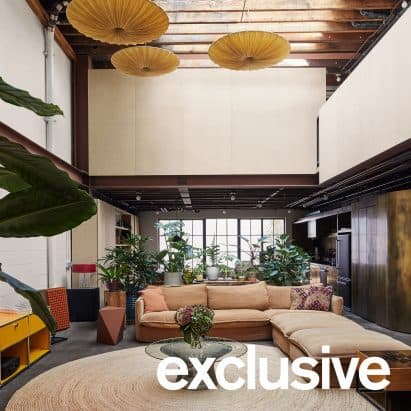
Space4Architecture Breathes New Life Into a Brooklyn Warehouse
In a city constantly reinventing itself, few architectural gestures feel as compelling as a well-executed adaptive reuse project. New York-based studio Space4Architecture has done exactly that, transforming a former Brooklyn warehouse into a thoughtfully designed private residence. The project stands as a compelling example of how industrial structures can be repurposed into warm, livable spaces without erasing the raw character that makes them so architecturally rich in the first place.
Warehouse conversions have long captured the imagination of architects, designers, and homeowners alike. The promise of soaring ceilings, expansive floor plates, and robust materiality offers a blank canvas that traditional residential typologies rarely provide. Yet the challenge is equally significant: how do you introduce the warmth, intimacy, and functional complexity of a home into a space originally built for storage, manufacturing, or distribution? Space4Architecture's Brooklyn project offers a thoughtful and inspiring answer.
What Is Adaptive Reuse and Why Does It Matter?
Before diving into the specifics of this project, it is worth understanding why adaptive reuse architecture has become such an important conversation in contemporary design and urban planning. Adaptive reuse refers to the process of repurposing an existing building for a use other than the one it was originally designed for. Rather than demolishing a structure and starting fresh, architects find creative ways to give old buildings a second life.
From an environmental standpoint, adaptive reuse is significantly more sustainable than new construction. The embodied carbon already locked into the existing structure — the concrete, steel, brick, and timber — is preserved rather than sent to landfill. Less new material is required, construction timelines are often shorter, and the neighborhood retains a piece of its physical history. In a borough like Brooklyn, where industrial heritage is woven into the very identity of neighborhoods like Bushwick, Greenpoint, and Red Hook, preserving these structures carries cultural weight as well as environmental value.
The Space4Architecture Approach to the Brooklyn Conversion
Space4Architecture is a New York City studio known for its attentive, detail-driven approach to residential and mixed-use design. Their work consistently reflects a sensitivity to place, history, and the specific needs of the people who will inhabit their buildings. The Brooklyn warehouse conversion is no exception.
The project involved converting an existing warehouse structure into a full private residence, retaining the building's industrial bones while weaving in the domestic elements required for comfortable modern living. Rather than masking the warehouse's origins, the studio appears to have embraced them, allowing the existing structure's material palette — exposed brick, heavy timber, and raw concrete — to set the tone for the entire interior.
This approach reflects a broader design philosophy that values authenticity over polish. In an era when many luxury renovations sand down every rough edge in favor of pristine finishes and high-gloss surfaces, Space4Architecture's commitment to preserving the warehouse's character feels refreshingly grounded.
Key Design Features of the Brooklyn Warehouse Home
While full project details continue to emerge, several defining characteristics make this conversion stand out among residential adaptive reuse projects in New York City.
- Preserved Industrial Structure: The original warehouse framework has been maintained wherever possible, keeping the generous ceiling heights and structural expressiveness that give the building its distinctive presence. These elements immediately communicate the building's history and provide a spatial drama that purpose-built homes rarely achieve.
- Integration of Natural Light: One of the persistent challenges in warehouse conversions is the lack of windows typical of industrial buildings. Space4Architecture has addressed this by introducing new openings and glazing strategies that flood the interior with natural light, a critical factor in making a large industrial shell feel like a genuine home.
- Material Continuity: The material language moves seamlessly between old and new. Existing brick walls sit alongside contemporary joinery and fittings, creating a dialogue between past and present that adds layers of meaning to every room. This interplay of materials is one of the hallmarks of successful warehouse-to-residence conversions.
- Thoughtful Space Planning: Transforming a single open warehouse floor into a multi-room residence requires careful planning. Space4Architecture has organized the program to take advantage of the building's scale while still creating intimate, human-scaled spaces for sleeping, cooking, and relaxing.
- Connection to Outdoor Space: Urban residential projects in Brooklyn increasingly prioritize access to outdoor areas. This conversion incorporates exterior spaces that complement the interior's industrial character, extending the living environment beyond the building's walls.
Brooklyn as a Canvas for Innovative Residential Design
Brooklyn has long been one of New York City's most fertile grounds for architectural experimentation. Its stock of 19th and early 20th century industrial buildings — warehouses, factories, and manufacturing lofts — presents an extraordinary opportunity for architects willing to engage seriously with existing structures. Neighborhoods like Williamsburg, DUMBO, and Red Hook have seen some of the most inventive residential conversions in the country over the past two decades, and that tradition shows no sign of slowing.
The Space4Architecture project adds meaningfully to this legacy. By approaching the warehouse not as an obstacle to be overcome but as a collaborator in the design process, the studio has produced a residence that feels both specific to its place and broadly instructive for anyone thinking about the future of urban housing.
Why Warehouse Conversions Are Shaping the Future of Urban Living
As cities grapple with housing shortages, climate commitments, and the need to preserve cultural identity, warehouse conversions represent one of the most promising approaches to residential development. They reduce construction waste, leverage existing infrastructure, honor neighborhood history, and frequently deliver spatial qualities that new construction simply cannot replicate.
Projects like Space4Architecture's Brooklyn residence demonstrate that the highest quality of contemporary living does not require starting from scratch. Sometimes the most sophisticated design move is knowing what to keep, what to transform, and what to let speak for itself. In Brooklyn's ever-evolving architectural landscape, this warehouse conversion is a welcome reminder of that truth.
Final Thoughts
Space4Architecture's transformation of a Brooklyn warehouse into a private residence is more than a stylish renovation — it is a statement about how cities should engage with their existing building stock. Sensitive, skillful, and deeply respectful of the structure's origins, the project offers a model for adaptive reuse that balances preservation with innovation. As demand for thoughtful urban housing continues to grow, projects like this one point the way forward for architects, developers, and homeowners willing to see potential where others might see only an old building waiting to be torn down.