
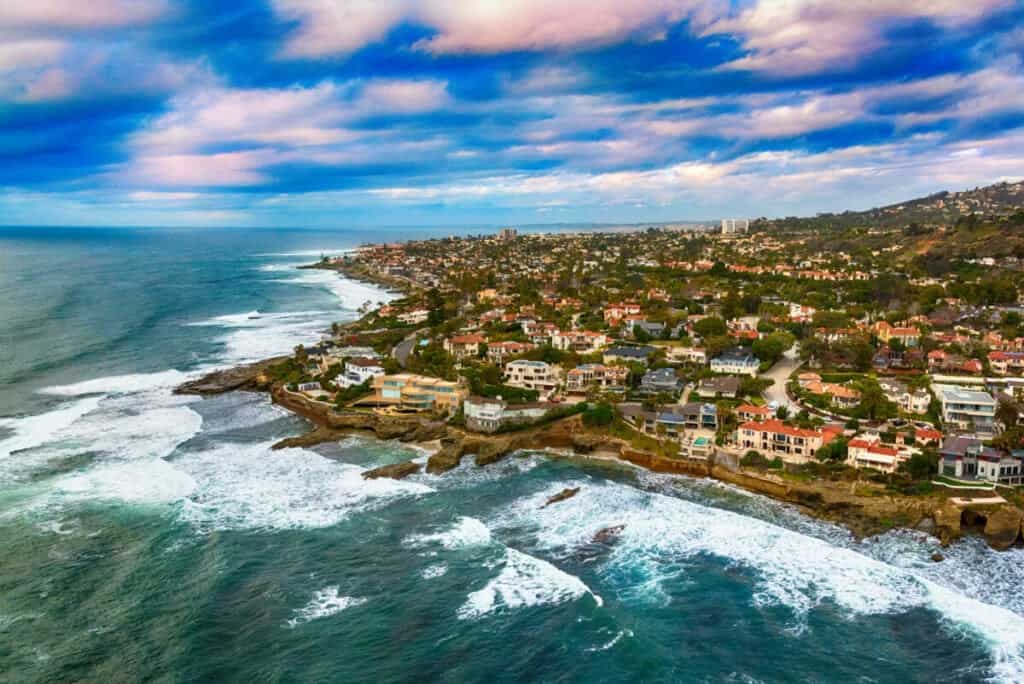
The 10 Most Expensive Cities in the U.S. in 2026
For millions of Americans, the dream of homeownership has never felt further out of reach. Between persistently high mortgage rates and home prices that surged dramatically during the pandemic, the cost of living in many U.S. cities has climbed to historic levels. If you've been wondering which cities are the hardest on your wallet in 2026, the answer is largely the same as it's been for years — California dominates the list, with a few other coastal metros joining the ranks. Here's a deep dive into the most expensive cities in the U.S. in 2026 and what's behind the sky-high costs.
Why Housing Costs Have Stayed So High
Before getting into the specific cities, it's worth understanding the broader forces at work. Home prices skyrocketed during the COVID-19 pandemic as remote work drove relocation demand, inventory dried up, and historically low interest rates made borrowing cheap. When the Federal Reserve began aggressively raising rates to combat inflation, mortgage payments became even less affordable despite some cooling in raw home prices. The combination of elevated prices and high borrowing costs has pushed monthly housing payments near record highs in many metros, straining household budgets and suppressing demand — yet not enough to bring prices down to pre-pandemic levels in the most desirable markets.
For a useful benchmark, housing economists generally consider spending more than 30% of gross income on housing to be a financial burden. In the cities below, median earners are spending far more than that — in some cases, more than double that threshold.
The Most Expensive Cities in the U.S. in 2026
1. San Francisco, California
San Francisco tops the list as the single most expensive city in the United States. Median earners in the city need to allocate well over 60% of their income just to cover housing costs. The city's notoriously tight housing supply, strict zoning regulations, and persistent demand from the technology sector have kept prices elevated even as remote work allowed some residents to relocate. San Francisco remains a global hub for finance and innovation, and that status comes with a steep price tag for anyone trying to put down roots.
2. Anaheim, California
Anaheim claims the second spot, a ranking that surprises many people who think of it primarily as the home of Disneyland. But Southern California's relentless demand for housing, fueled by population density and limited new construction, has made Anaheim one of the priciest places to live in the country. Proximity to Los Angeles and Orange County's strong job market have kept demand strong even as affordability deteriorates.
3. Los Angeles, California
Los Angeles rounds out the top three, where median earners similarly spend over 60% of their income on housing. The city's sprawling geography has done little to ease the crunch, as desirable neighborhoods command enormous premiums and inventory remains tight. The entertainment, tech, and creative industries continue to attract high-earning residents, further pricing out middle-income households.
4–7. More California Cities
California's grip on this list is remarkable — the state accounts for seven of the ten most expensive cities in the U.S. in 2026. Other California markets making the list include cities along the coast and in the greater Bay Area, where land constraints, high demand, and regulatory barriers to new housing construction have created a near-permanent affordability crisis. Cities in the San Diego metro area, the broader Los Angeles region, and Northern California tech corridors all appear, reflecting just how pervasive the cost-of-living problem has become across the entire state.
8–10. Coastal Cities Beyond California
Rounding out the top ten are a handful of cities outside California, but still firmly rooted on the coasts. Cities in the New York metro area and the Pacific Northwest have long been known for high costs, and 2026 is no different. Limited housing stock, strong employment markets, and geographic constraints — whether it's ocean, mountains, or existing development — all contribute to costs that far outpace what the average American household can comfortably afford.
What This Means for Renters and Buyers
The implications of this data go well beyond simple sticker shock. When housing consumes 60% or more of a household's income, there is little left over for savings, healthcare, education, transportation, or retirement. This creates cascading financial stress across entire communities and forces many workers — teachers, nurses, service workers, and others essential to a city's functioning — to commute from far-flung suburbs or leave the region entirely.
For prospective buyers, the math is especially daunting. A home purchase in any of these cities requires not only a substantial income but also a large down payment that takes years to accumulate, all while paying high rents in the same unaffordable market. Many would-be buyers are choosing to wait, relocate to more affordable metros, or remain renters indefinitely.
Are Prices Starting to Level Off?
There is cautious optimism in some corners of the market. Home price growth has moderated compared to the frenzied pace of 2020–2022, and in some submarkets prices have edged down slightly from their peaks. However, "leveling off" still means prices remain dramatically higher than they were five years ago. Until mortgage rates fall meaningfully or a significant supply of new housing enters the market, affordability in the most expensive U.S. cities is unlikely to improve substantially in the near term.
Tips for Navigating the Most Expensive Housing Markets
- Get pre-approved early. In competitive markets, knowing exactly what you can borrow gives you a significant advantage and keeps your search focused on realistic options.
- Explore adjacent markets. Cities just outside the most expensive metros often offer dramatically lower prices with reasonable commute times, especially as hybrid work schedules remain common.
- Consider total cost of ownership. Property taxes, HOA fees, insurance, and maintenance can add thousands of dollars per year on top of mortgage payments — factor these into your budget before committing.
- Work with a local expert. In high-stakes, fast-moving markets, working with an experienced local real estate agent can mean the difference between landing a home and missing out.
- Track rate movements. Even a modest dip in mortgage rates can meaningfully change your monthly payment and buying power, so stay informed and be ready to act when conditions shift in your favor.
The Bottom Line
The most expensive cities in the U.S. in 2026 are concentrated on the coasts, with California leading the charge by a wide margin. San Francisco, Anaheim, and Los Angeles sit at the very top, demanding more than 60% of a median earner's income for housing alone. While prices have shown early signs of stabilizing, the affordability gap remains enormous for most households. Whether you're thinking about buying, renting, or simply trying to plan your financial future, understanding the true cost of living in these markets is the essential first step.