
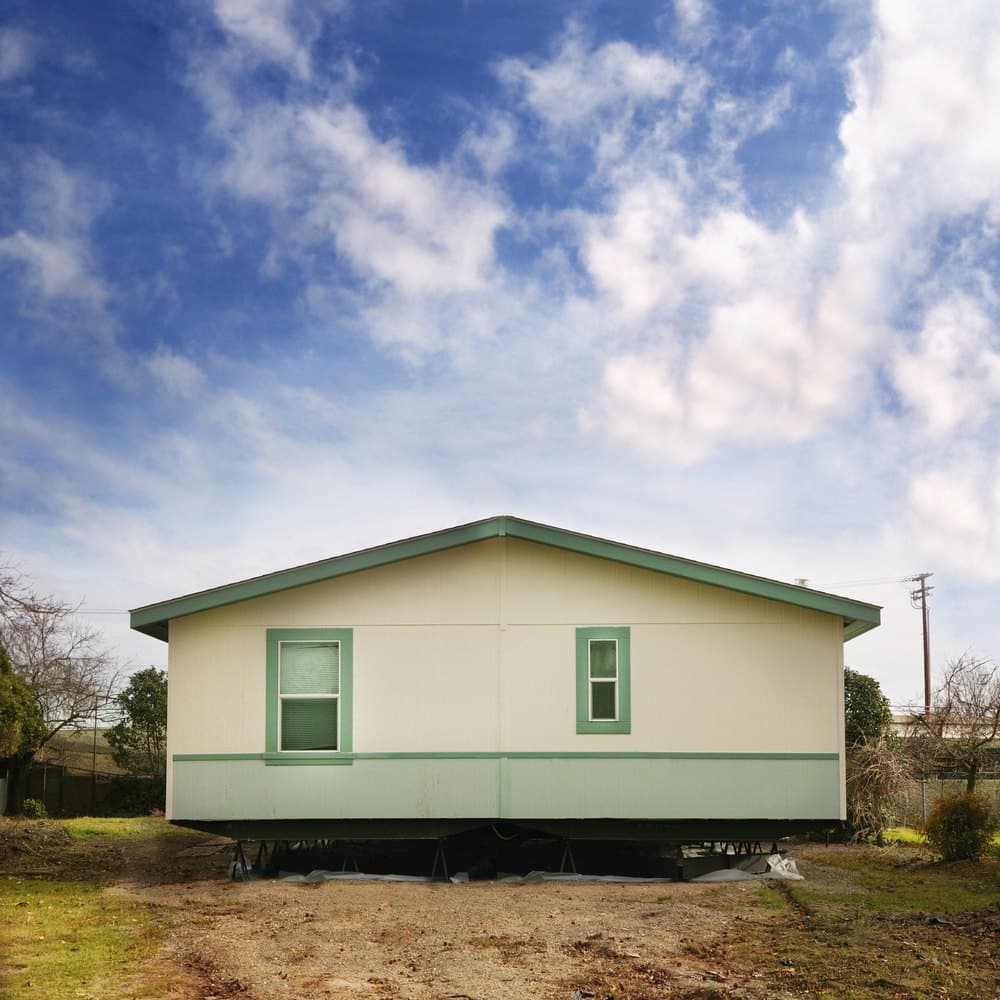
Trump Administration Pushes to Streamline Prefab Home Construction
The U.S. Department of Housing and Urban Development (HUD) has taken a significant step toward addressing America's persistent housing shortage by proposing new rules that would make manufactured and prefab homes easier and more cost-effective to build. Released on June 12, 2026, the proposed rule targets longstanding regulatory definitions that housing advocates say have held back innovation in factory-built housing for decades.
If finalized, the changes could reshape how millions of Americans access affordable homeownership — and mark one of the most consequential updates to manufactured housing policy in recent memory.
What Is HUD Proposing?
At the heart of HUD's proposed rule is a reinterpretation of what legally qualifies as a "manufactured home." Currently, federal regulations require that all sections of a manufactured home be built on a permanent steel chassis. This requirement has long been seen as a barrier to developing multistory prefab homes, which are more difficult to construct and transport on traditional chassis systems.
The proposed rule would remove or significantly ease that chassis requirement, opening the door for manufacturers to build taller, more complex prefab structures in controlled factory environments. These homes could then be delivered in sections to their final site and assembled on-location — a model that has proven highly successful in countries like Japan, Sweden, and the United Kingdom.
The public has 60 days to submit comments on the proposed changes, with HUD accepting input through August 11, 2026. After the comment period closes, the agency will review feedback and refine the rule before moving toward finalization.
Why This Matters for America's Housing Crisis
The United States is grappling with a well-documented housing shortage that has driven home prices and rents to historic highs in cities and suburbs alike. Economists and housing policy experts estimate the country is short by several million housing units, a gap that conventional construction methods have struggled to close quickly enough.
Manufactured and modular housing have long been proposed as a faster, more affordable alternative to traditional site-built homes. Factory construction allows builders to work in climate-controlled settings, reduce material waste, cut labor costs, and significantly shorten construction timelines. Despite these advantages, outdated regulatory definitions have limited the types of factory-built homes that could be legally classified — and financed — as manufactured housing.
HUD Secretary Scott Turner made the administration's priorities clear in an official statement: "America needs more housing, and manufactured housing is part of the solution. We are removing unnecessary barriers, encouraging innovation, and helping American manufacturers deliver more affordable housing options for American families."
The Legislative Push: 21st Century Road to Housing Act
HUD's regulatory proposal does not exist in isolation. Congress is currently on the brink of passing the 21st Century Road to Housing Act, a wide-ranging housing bill that includes a parallel provision to ease the chassis requirement for manufactured homes. The dual-track approach — pursuing both regulatory and legislative reform simultaneously — signals a coordinated effort by the Trump administration to accelerate housing production through every available channel.
The alignment between executive rulemaking and congressional legislation strengthens the likelihood that these changes will take effect relatively quickly, providing manufacturers and developers with a more predictable regulatory environment in which to invest and innovate.
Benefits of Easing the Chassis Requirement
Removing the mandatory chassis requirement is expected to unlock several important benefits for the housing industry and consumers alike:
- Multistory manufactured homes: Builders will be able to design and construct two- and three-story factory-built homes without the structural constraints imposed by traditional chassis systems. This is particularly valuable in urban and suburban areas where land is limited and density is essential.
- Lower construction costs: Factory production inherently reduces per-unit costs by streamlining labor, minimizing weather-related delays, and enabling bulk purchasing of materials. Removing design restrictions should push those savings even further.
- Faster delivery times: Prefab homes built in sections can be delivered and assembled on-site in a matter of days rather than months, helping communities respond more rapidly to housing demand.
- Greater design flexibility: Architects and manufacturers will have more freedom to innovate in form, layout, and aesthetics — helping to shed the stigma that has historically been associated with manufactured housing.
- Expanded financing access: Homes that meet HUD's manufactured housing definitions can qualify for specific federal loan programs, making them more accessible to lower- and middle-income buyers.
Industry and Advocate Reactions
Housing advocates and manufactured home industry groups have broadly welcomed the proposed rule, viewing it as long-overdue recognition of the role factory-built housing can play in solving the affordability crisis. Builders who have been pushing for modernized regulations argue that the current chassis rule was written for a different era and does not reflect the engineering capabilities or market demands of today's housing sector.
Consumer advocacy groups have also signaled cautious optimism, noting that expanding the supply of affordable homeownership options is critical for working families, first-time buyers, and retirees on fixed incomes who have been priced out of traditional housing markets.
What Happens Next?
With the public comment window open until August 11, 2026, stakeholders across the housing spectrum — from individual homebuyers to large-scale manufacturers — have an opportunity to weigh in on the proposed changes. HUD will use that feedback to refine and finalize the rule, with implementation expected in the months that follow.
In the meantime, the industry will be watching closely as the 21st Century Road to Housing Act advances through Congress. If both the legislative and regulatory pathways succeed, the combined effect could represent a turning point for manufactured housing in the United States — one that brings factory-built homes firmly into the mainstream of American real estate.
The Bottom Line
The Trump administration's push to update manufactured housing definitions is a notable policy development in the ongoing effort to tackle America's housing affordability crisis. By removing the chassis requirement and enabling the construction of multistory prefab homes, HUD is betting that factory-built housing can deliver the scale, speed, and cost savings that the traditional construction market has so far been unable to provide. Whether this regulatory shift translates into meaningful relief for homebuyers will depend on how quickly manufacturers can scale up — and how effectively the broader housing finance and zoning systems adapt to meet the moment.