
Why Choosing the Right Driveway Material Matters
Your driveway is one of the first things people notice when they arrive at your home. It sets the tone for your property's curb appeal and plays a practical role in daily life — from supporting the weight of vehicles to managing rainwater runoff. But with so many types of driveway materials available, it can be hard to know where to start.
The right material depends on a combination of factors: your local climate, your budget, how much maintenance you're willing to do, and the aesthetic you want to achieve. Whether you're replacing a cracked surface, building a new driveway from scratch, or simply exploring your options, this guide will walk you through the most popular choices and help you decide which one fits your needs best.
The Most Popular Types of Driveway Materials
1. Asphalt
Asphalt is one of the most widely used driveway materials in the United States, and for good reason. It's relatively affordable upfront, quick to install, and holds up well in cold climates because it flexes slightly during freeze-thaw cycles rather than cracking like more rigid materials.
Asphalt driveways typically cost between $2 and $5 per square foot to install and have a lifespan of 20 to 30 years with proper care. However, they do require periodic sealing — usually every three to five years — to prevent cracking and surface degradation. Asphalt also tends to soften in extreme heat, which can be a drawback in warmer regions.
- Best for: Cold climates, budget-conscious homeowners
- Lifespan: 20–30 years with maintenance
- Maintenance level: Moderate (requires sealing)
2. Concrete
Concrete is a step up in both cost and longevity. A concrete driveway typically runs $4 to $8 per square foot and can last 30 to 50 years when properly installed and maintained. It handles heavy loads well and doesn't require the same frequent sealing that asphalt does.
One of the biggest advantages of concrete is its versatility. It can be stamped, stained, or textured to mimic the look of more expensive materials like brick or stone, giving you design flexibility without the premium price tag. On the downside, concrete can crack in regions with significant freeze-thaw activity, and repairs tend to be more visible than with asphalt.
- Best for: Warm to moderate climates, homeowners seeking longevity
- Lifespan: 30–50 years
- Maintenance level: Low to moderate
3. Gravel
Gravel is one of the most affordable driveway options available, often costing as little as $1 to $3 per square foot. It drains exceptionally well, which makes it a smart choice for properties prone to runoff or erosion. Gravel is also easy to install and can be replenished over time without major rework.
That said, gravel driveways require regular maintenance to keep them looking tidy. Stones can scatter onto lawns or roads, and the surface can develop ruts over time, especially in high-traffic areas. Gravel may also not be suitable for steep driveways, as it tends to shift and wash away with heavy rain.
- Best for: Rural properties, large driveways, drainage-heavy areas
- Lifespan: Indefinite with replenishment
- Maintenance level: Moderate (raking and topping off needed)
4. Pavers (Brick or Concrete)
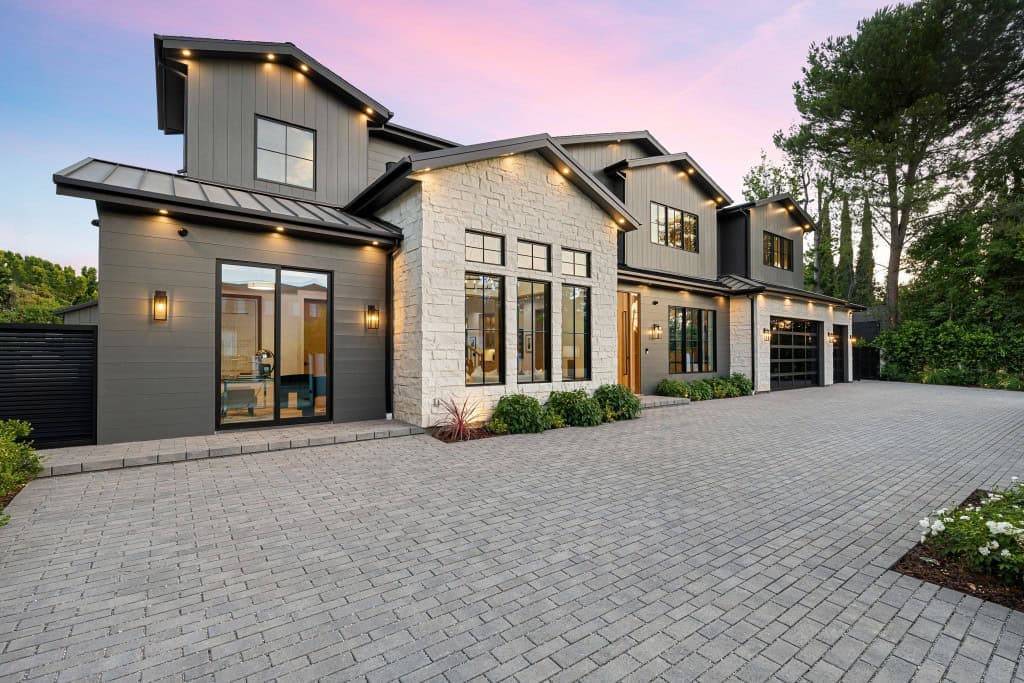
Paver driveways — whether made from brick, concrete, or natural stone — are the premium end of the spectrum. They're visually striking, highly durable, and individual pavers can be replaced if damaged, making long-term repairs less invasive and more cost-effective than resurfacing an entire slab.
Installation costs typically range from $10 to $30 per square foot depending on the material and pattern complexity. Brick pavers tend to be the most expensive but offer a classic, timeless appearance that can significantly boost a home's resale value. The main drawbacks are the higher upfront cost and the time required for installation.
- Best for: High-end curb appeal, long-term investment
- Lifespan: 25–50+ years
- Maintenance level: Low (occasional weed removal and re-sanding of joints)
5. Permeable Pavers and Gravel Systems
Permeable driveway systems are growing in popularity, particularly in areas with strict stormwater management regulations. These systems allow rainwater to filter through the surface and into the ground rather than running off into storm drains. Options include permeable concrete, permeable asphalt, interlocking plastic grids filled with gravel or grass, and open-jointed pavers.
While the upfront cost can be higher than traditional materials, permeable systems can reduce the need for additional drainage infrastructure and may qualify for local rebates or green building credits in some areas.
- Best for: Eco-conscious homeowners, regions with drainage requirements
- Lifespan: 20–30 years depending on system type
- Maintenance level: Low to moderate (occasional vacuuming of debris from pores)
Key Factors to Consider When Choosing a Driveway Material
Climate and Weather Patterns
Where you live should heavily influence your material choice. Asphalt performs well in cold, snowy climates because it flexes with temperature changes. Concrete, while durable, can crack under severe freeze-thaw cycles. In hot southern climates, concrete tends to outperform asphalt, which can soften in high heat. Gravel and permeable systems work well in rainy climates where drainage is a priority.
Budget
Factor in both installation costs and long-term maintenance expenses. Gravel may be cheap upfront but requires ongoing attention. Concrete and pavers cost more initially but can deliver better value over decades. Always request multiple quotes from licensed contractors before committing to a material or installer.
Aesthetic Goals
Think about how the driveway will complement your home's exterior. A rustic stone home might look best with a gravel or natural stone paver driveway, while a modern suburban home might suit clean, stamped concrete or sleek pavers. The right material should feel like a natural extension of your home's design language.
HOA Rules and Local Codes
Some homeowners associations have restrictions on driveway materials, colors, or finishes. Similarly, certain municipalities have stormwater regulations that may require or incentivize permeable surfaces. Always check local requirements before finalizing your decision.
Final Thoughts
There's no single best driveway material — the right choice depends on your specific property, climate, budget, and priorities. Asphalt and gravel offer affordability and practicality. Concrete delivers longevity and design flexibility. Pavers bring premium aesthetics and long-term value. And permeable systems serve both environmental and functional goals.
Taking the time to compare your options carefully — and consulting with a qualified contractor — will help ensure your driveway not only looks great on day one, but continues to perform well and add value to your home for decades to come.