
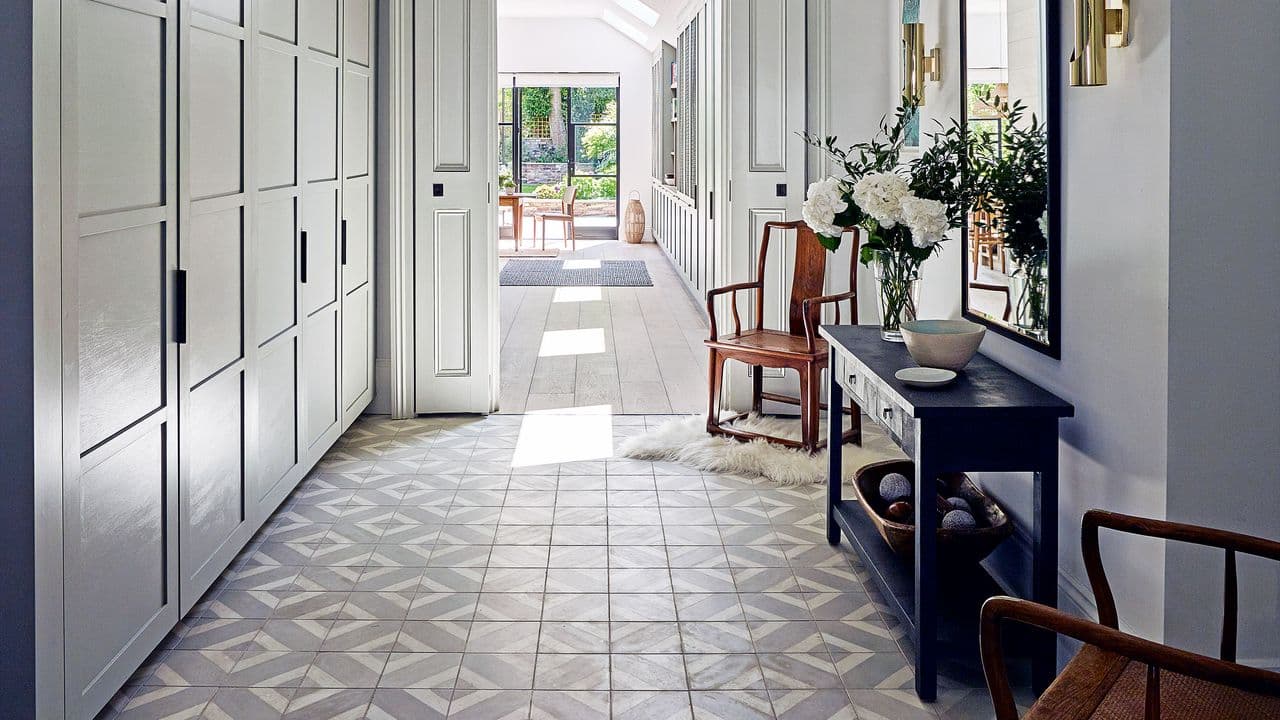
Why Your Entryway Shoe Storage Isn't Working Anymore
If you've ever tripped over a pile of sneakers on your way out the door or spent three minutes hunting for a matching pair buried under a bench, you already know the truth: traditional shoe storage has been failing us for years. The classic horizontal shoe rack — that low-slung, multi-tiered contraption that sprawls across your entryway floor — was designed for a different era of home living. Today's homes, particularly apartments and smaller single-family houses, simply don't have the floor space to spare. That's exactly why a new wave of vertical shoe organizers is sweeping through interior design communities, and homeowners who have made the switch are never looking back.
The concept is straightforward but surprisingly powerful: instead of spreading shoes outward, you store them upward. By shifting storage from a horizontal footprint to a vertical one, many homeowners report effectively doubling — and in some cases tripling — the usable floor space in their entryways. What once felt like a cramped, chaotic landing zone can become a clean, functional, and even stylish first impression of your home.
What Exactly Is a Vertical Shoe Organizer?
Unlike traditional shoe racks that lay pairs flat or angle them outward in rows along the floor, vertical shoe organizers are designed to mount on walls, fit inside narrow cabinet columns, or stack shoes in a front-facing tilt that dramatically reduces the floor area each pair occupies. The most popular styles include wall-mounted pocket panels, slim tower cabinets with flip-out compartments, over-the-door hanging organizers, and modular stacking cubes that build upward rather than outward.
The key innovation driving this trend is the use of unused vertical wall space that most entryways have in abundance. While the average entryway might offer only a few square feet of open floor, it often has four to eight feet of open wall space that sits completely empty. Vertical organizers tap into that overlooked real estate and put it to work.
The Space-Doubling Effect: How It Actually Works
Consider a standard household with two adults and two children — a family of four that collectively owns somewhere between twenty and thirty pairs of shoes in active rotation. A traditional floor rack accommodating that many pairs might stretch three to four feet wide and take up considerable depth along a wall, leaving little room for anything else in a narrow entryway hallway.
A wall-mounted vertical organizer designed to hold the same number of shoes can reduce that floor footprint to nearly zero. A slim tower cabinet with individual flip-front compartments for each pair typically occupies no more than twelve to fourteen inches of floor depth and can hold twelve to twenty-four pairs in a neat, door-concealed column. Mount two side by side on a single wall and you've housed your entire family's shoe collection in less than three feet of wall width — leaving the rest of the entryway completely open for movement, a rug, a small bench for putting shoes on, or decorative elements that make the space feel welcoming.
Top Vertical Shoe Storage Solutions Trending Right Now
Flip-Front Tower Cabinets
These sleek, narrow cabinets feature individual compartments with doors that flip down to reveal and retrieve a single pair of shoes. They're particularly popular because they hide footwear entirely, giving entryways a clean and uncluttered appearance. Many models are available in wood finishes, white lacquer, or matte black to match modern and minimalist interiors.
Wall-Mounted Angled Shelves
A more open and affordable option, angled wall shelves hold shoes at a downward tilt so the heel rests on the lower peg and the toe points toward the wall. This keeps pairs easily visible and accessible while consuming almost no floor space at all. These work particularly well in mudrooms or alongside a coat wall in a dedicated entryway nook.
Over-the-Door Pocket Organizers
Often underestimated, a high-quality over-the-door shoe organizer with deep, reinforced pockets can hold twelve to twenty-four pairs on the back of a single door. For renters or anyone who can't make wall modifications, this is one of the most effective and affordable vertical storage upgrades available.
Modular Stacking Shoe Cubbies
These buildable cube units start at floor level and stack as high as needed, growing with your collection. Each cube holds one pair and can be arranged in columns for a vertical emphasis. They offer flexibility and a clean grid aesthetic that works well in contemporary entryway designs.
Beyond Storage: The Organizational Benefits You Didn't Expect
Switching to vertical shoe storage doesn't just free up floor space — it fundamentally changes how your household interacts with shoes on a daily basis. When every pair has a designated, visible slot, the habits around putting shoes away tend to improve naturally. There's no more tossing a sneaker in the general direction of a rack and hoping it lands; each pair has a clear home, which makes both storing and retrieving shoes faster and more intuitive.
Families with children especially notice the difference. Labeled compartments at kid-friendly heights give younger household members ownership over their own shoe organization, reducing the morning chaos that often erupts when no one can find their shoes before school.
How to Choose the Right Vertical Organizer for Your Entryway
Before purchasing, measure your available wall height and width carefully. Identify whether you need a freestanding unit, a wall-mounted solution, or a door-hung option based on your rental or ownership status. Consider the number of shoes you need to store in regular rotation — not your entire collection, just the pairs used weekly — and choose a unit sized for that number with a little room to grow. Finally, think about aesthetics: a beautiful organizer you actually enjoy looking at is far more likely to stay tidy than a purely utilitarian one that you mentally tune out.
The standard floor-hugging shoe rack had a good run. But with entryway space at a premium and smart vertical solutions more accessible and affordable than ever, there has never been a better time to look up — and store up — for a cleaner, more spacious home entrance.