
The Home Feature Nearly Every Buyer Wants — But Agents Won't Talk About
Ask most homebuyers what they want in a neighborhood, and the answer comes up again and again: walkability. The ability to stroll to a coffee shop, a park, a grocery store, or a local restaurant ranks among the most desired qualities in a home's surrounding community. Yet a growing number of real estate agents are becoming hesitant — even fearful — of using the word "walkable" in their listings, conversations, and marketing materials. The reason may surprise you.
Why Walkability Is So Important to American Homebuyers
Walkability has become one of the defining factors in how people choose where to live. According to a 2023 survey by the National Association of Realtors®, nearly 8 in 10 Americans say that walkability is "very" or "somewhat" important when selecting a neighborhood. Even more telling, nearly as many buyers report a willingness to pay a premium for a home located in a walkable area — meaning easy access to shops, parks, dining, and other everyday amenities without requiring a car.
This isn't just a preference among younger urban dwellers. Families, retirees, and professionals across age groups consistently rank walkability as a top priority. Communities with good walkability tend to offer higher quality of life, lower transportation costs, and stronger social connectivity — all things that resonate deeply with modern buyers navigating an already competitive housing market.
Given this demand, you might expect real estate agents to be shouting the word "walkable" from every listing page and open house flyer. Instead, some are doing the opposite — staying silent on the topic entirely.
The Fair Housing Concern Behind the Silence
The tension emerged publicly at a recent meeting of the Smart Growth Advisory Board at the National Association of Realtors® annual Legislative Meetings. During a discussion of survey data highlighting how much buyers value walkability, at least one agent raised a pointed concern: using the term "walkable" in listing descriptions and client conversations could potentially violate fair housing laws.
The logic goes like this — not everyone can walk. For people with disabilities who rely on wheelchairs, walkers, or other mobility aids, the word "walkable" may feel exclusionary or imply that a neighborhood is designed only for those without mobility limitations. Some fair housing advocates warn that describing a community this way could unintentionally discriminate against people with physical disabilities, which is protected under the Fair Housing Act.
"I must speak out right now about the nexus between fair housing and our smart growth principles," one agent said at the meeting, urging the committee to revisit the language used and to examine the "implicit bias" the term may carry.
This created an awkward moment for the group, given that "creating walkable neighborhoods" is explicitly listed as one of the Smart Growth Advisory Board's own core principles.
What Real Estate Law Says About the Term
Jan Bozeman, an attorney at Williams Teusink, is among the legal voices who have weighed in on this nuanced issue. The concern is not entirely without merit — fair housing law is broad and requires careful attention to language that could be interpreted as steering buyers toward or away from a neighborhood based on protected characteristics, including disability status.
That said, legal interpretations vary, and many housing attorneys argue that describing a neighborhood's physical features — including proximity to amenities that are accessible on foot — is fundamentally different from making discriminatory statements about who should or should not live there. The key distinction is whether the language describes an objective characteristic of the location versus implying that certain people are more or less welcome.
Still, the fear of legal liability, however well-founded or not, has led some agents to self-censor. In a profession where one wrong word in a listing can trigger a complaint, caution has become the default.
What This Means for Buyers and Sellers
For buyers, this evolving conversation means you may need to ask more specific questions when searching for a home in a desirable location. Rather than relying on an agent to volunteer information about a neighborhood's walkability, consider asking directly about:
- The distance and accessibility of nearby grocery stores, pharmacies, and parks
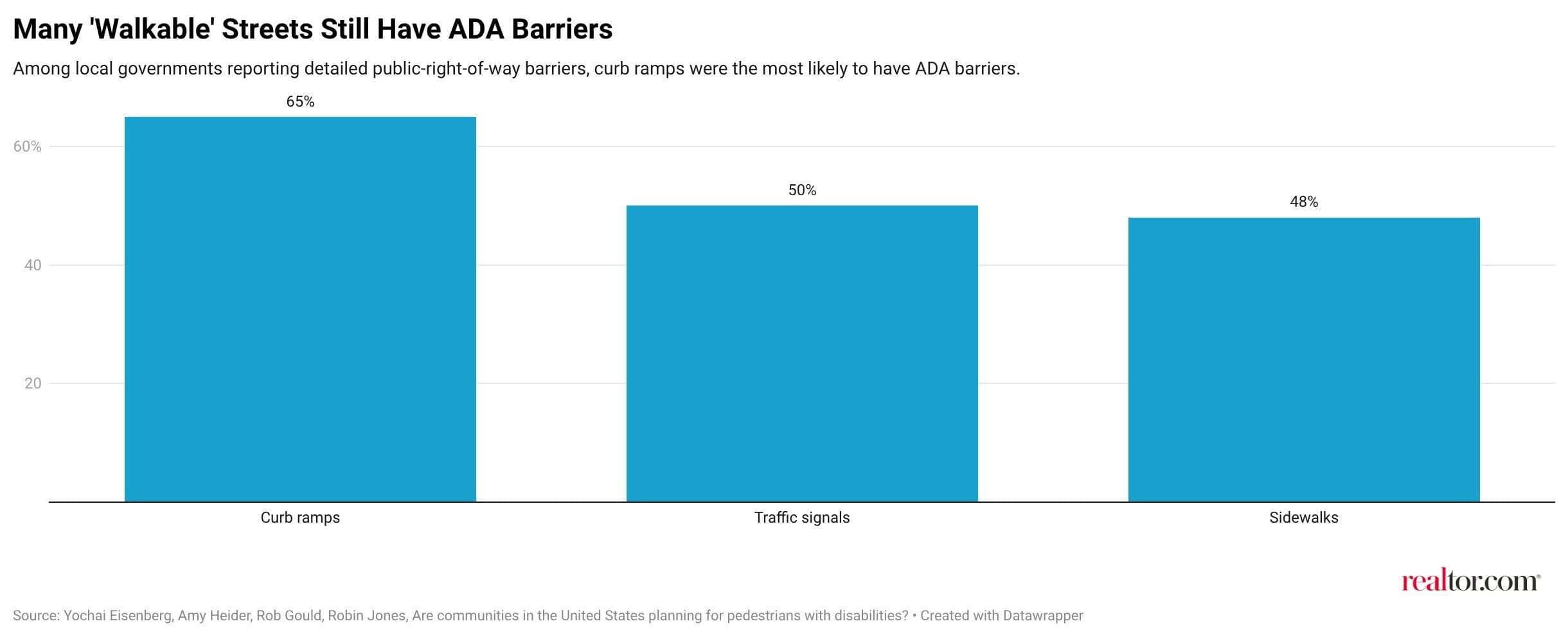
- Whether streets and sidewalks are well-maintained and ADA compliant
- Public transit availability and frequency in the area
- Walk Score ratings, which are publicly available tools that quantify neighborhood walkability
For sellers, understanding that walkability commands a price premium is valuable — but framing it appropriately in listing language may require some thoughtfulness. Highlighting proximity to amenities, ease of access to services, and neighborhood connectivity can convey the same appeal without triggering legal concerns.
The Bigger Picture: Language, Inclusion, and Real Estate
The debate over the word "walkable" is part of a broader reckoning happening across the real estate industry over how language shapes perception, inclusion, and access. Words like "master bedroom," "up-and-coming neighborhood," and even certain school district references have all faced scrutiny in recent years for carrying unintentional discriminatory overtones.
What makes the walkability debate particularly complex is that walkable neighborhoods are generally considered beneficial for people of all abilities — including those who use mobility aids, since well-designed walkable areas typically feature accessible sidewalks, curb cuts, and public spaces. In many ways, advocating for walkability and advocating for accessibility go hand in hand.
The challenge for the real estate industry is finding language that communicates the genuine value of these communities without inadvertently marginalizing the very residents who stand to benefit from them most.
Bottom Line
Walkability remains one of the most sought-after features in American real estate, commanding buyer attention and price premiums alike. But as the industry grapples with fair housing compliance and inclusive language, the way agents talk about it is under the microscope. Whether you are buying, selling, or simply curious about what makes a great neighborhood, understanding this tension helps you navigate the conversation — and ask the right questions — with greater confidence.