
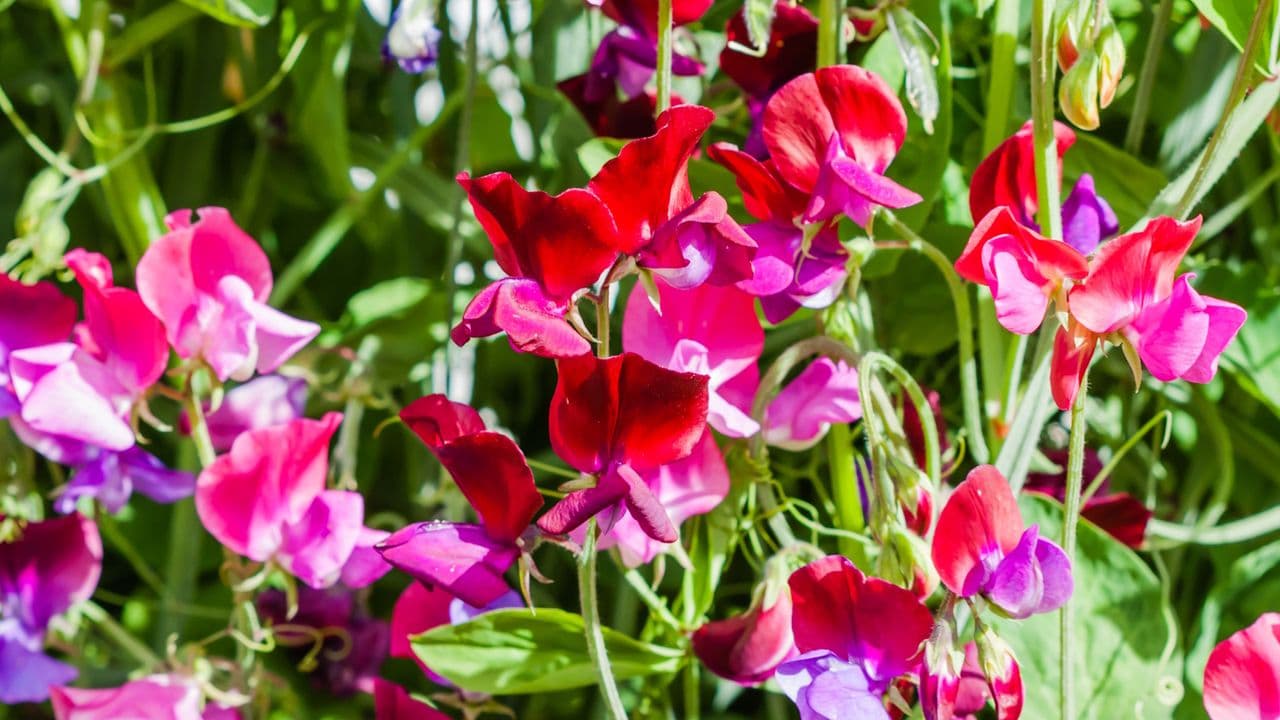
Why June Is the Most Important Month for Sweet Peas
If you want armfuls of fragrant, jewel-colored sweet peas filling your vases from July right through to September, then what you do in June makes all the difference. This is the pivotal month when your plants are establishing their climbing stems, setting their first flower buds, and building the root system that will sustain weeks of blooming. Get June right, and your sweet peas will reward you generously. Neglect them now, and they'll rush to set seed, collapse in the heat, and be finished long before summer is over.
Whether you're growing sweet peas up a wigwam of canes in a cottage garden border or in dedicated rows on an allotment, the tasks outlined below will transform a short-lived flush of flowers into a truly continuous display. None of them are complicated — but together they make an extraordinary difference.
Keep Picking (or Deadheading) Every Single Stem
This is the single most important thing you can do with sweet peas in June, and it cannot be overstated: pick every flower before it fades. Sweet peas are annuals with one evolutionary goal — to produce seed. The moment a flower is pollinated and begins forming a seedpod, the plant receives a chemical signal that its job is nearly done. Flower production slows, stems shorten, and within weeks the plant begins to decline.
By removing every bloom — whether you cut them for a vase or simply deadhead spent flowers — you are interrupting that signal and tricking the plant into continuing to flower. In June, when plants are just hitting their stride, you should be going over your sweet peas every two to three days at minimum. Check carefully behind the blooms for developing seedpods, which are easy to miss and equally damaging to flower production if left in place.
The good news is that cutting sweet peas for the house counts as deadheading. You are literally harvesting your way to more flowers. Cut stems when the lowest flower on the spike is just opening, place them immediately into water, and enjoy some of the most intoxicatingly scented flowers a garden can produce.
Feed Regularly for Strong Stems and Vibrant Color
Sweet peas are hungry plants, and June is when their appetite peaks. To sustain the kind of vigorous, long-stemmed flower production you're aiming for, you need to feed them every seven to ten days with a high-potash liquid fertilizer. A tomato feed works perfectly and is widely available. High potash encourages flowering and strengthens the cell walls of stems, which means both more blooms and longer vase life.
Avoid high-nitrogen feeds at this stage. Nitrogen promotes leafy, lush growth — which sounds appealing but actually diverts the plant's energy away from flowers. If your sweet peas look pale or yellowish, a single feed with a balanced fertilizer can perk them up, but then switch straight back to a potash-rich formula.
Water well before applying any liquid feed to avoid scorching roots, and try to feed in the cooler part of the day — early morning or evening — especially as temperatures begin to climb through June.
Water Deeply and Consistently
Sweet peas have surprisingly deep root systems, and they need consistent moisture to keep performing through warm weather. Irregular watering — dry spells followed by a sudden drenching — causes stress that can trigger early bolting and short flower stems. Aim to water deeply two or three times a week rather than giving a light sprinkle every day. Deep watering encourages roots to chase moisture downward, making the plants more resilient in dry spells.
Mulching around the base of your sweet peas in June is one of the best investments of time you can make. A layer of garden compost, well-rotted manure, or even straw will lock in soil moisture, regulate soil temperature, and suppress weeds that would otherwise compete for water and nutrients. Keep the mulch slightly away from the main stems to prevent rotting at the base.
Train and Tie In Climbing Stems
Sweet peas climb by tendrils, and in June they can put on remarkable amounts of growth in a very short time. Left to their own devices, stems tangle together, airflow is reduced, and the risk of fungal problems like powdery mildew increases. Take a few minutes every week to guide new growth upward, tying loose stems to canes or netting with soft twine or sweet pea rings.
For the longest possible cut flower stems — a key goal if you're growing for the vase — consider pinching out tendrils and side shoots on cordon-grown plants. This traditional method, used by exhibitors and florists, channels all the plant's energy into a single main stem producing long, elegant flower spikes rather than a bushy tangle of shorter ones.
Watch Out for Pests and Disease
Aphids love sweet peas, congregating particularly around soft new shoot tips and flower buds. In June, check your plants regularly and deal with infestations early. A strong jet of water dislodges aphids effectively without chemicals, or you can use an organic insecticidal soap spray. Encouraging natural predators like ladybirds and lacewings by planting companion flowers nearby is a longer-term strategy worth adopting.
Powdery mildew can become a problem in hot, dry June weather, particularly if plants are crowded or stressed. Good airflow through regular training, avoiding overhead watering, and keeping plants well-fed and hydrated are your best defenses.
The Reward Is Worth Every Minute
Sweet peas grown with care through June will give you something that no supermarket bouquet can replicate: genuinely fragrant, home-grown cut flowers that fill a room with scent and color from midsummer onward. The simple routine of picking, feeding, watering, and training takes only minutes each visit but pays dividends for months. Start these habits now, and June becomes the month that makes your whole sweet pea season.