
The Universal Pain of Moving: Why Your Budget Never Survives Contact with Moving Day
When NASA pitched the International Space Station to Congress back in 1984, agency officials promised the program would cost no more than $8 billion. By the time the station was fully operational, the total bill had ballooned to well over $100 billion. The culprit? The cargo was heavier than expected, and it took far more trips than even the country's best scientists had anticipated.
If that story sounds familiar, it's because it mirrors what happens to millions of ordinary Americans every single time they pack up and move. Underestimating the time, the supplies, and the total budget required to relocate is one of the most common—and expensive—mistakes in personal finance. And it turns out that even rocket scientists aren't immune.
Bill Mulholland, CEO of Agoyu, a tech-forward moving company, puts it plainly: "Almost anyone who has moved before has gone through the experience of being told one price, and then it nearly doubles when they get the final bill." The good news, he says, is that you don't need a degree in rocket science to keep your moving costs under control. You just need a better, more accurate estimate from the very beginning.
Why Moving Costs Are So Hard to Predict
The core problem with moving budgets is that no two moves are alike. The variables that ultimately determine your final bill are numerous, interconnected, and surprisingly easy to overlook during the planning phase. Distance, volume, access challenges, timing, insurance, packing materials, and labor rates all feed into a final number that can look very different from the quote you received weeks earlier.
Mulholland explains that the price breakdown changes dramatically depending on whether you're moving locally or across state lines. Local moves are typically billed by the hour, which means that every extra box, every tight stairwell, and every parking situation that forces movers to carry items an extra hundred feet adds real dollars to your final tab. Long-distance moves, on the other hand, are almost always priced by weight—which is where many consumers get caught completely off guard.
The Weight Problem Nobody Talks About
Most people have no reliable sense of how much their belongings actually weigh. A three-bedroom house that feels manageable on moving day can easily tip the scales at 10,000 pounds or more once furniture, appliances, books, kitchen items, and clothing are all accounted for. When a long-distance moving quote is based on an underestimated weight, the final bill can jump significantly once the truck is actually loaded and weighed at a certified scale.
This is one of the most common sources of sticker shock in the moving industry, and it's one that consumers are poorly equipped to anticipate on their own. Unlike buying a car or booking a flight, where prices are relatively standardized and transparent, moving quotes have historically been more art than science—leaving plenty of room for surprises.
Hidden Costs That Inflate Your Moving Bill
Beyond the base rate, a range of additional charges can quietly push your total well past your original budget. Being aware of these in advance is one of the most effective ways to protect yourself financially during a move.
- Packing materials: Boxes, tape, bubble wrap, and specialty containers for fragile or oversized items add up faster than most people expect. Professional packing services, if you opt for them, can add hundreds or even thousands of dollars to your bill.
- Fuel surcharges: Many moving companies pass fuel costs directly to consumers, and these fees can fluctuate significantly depending on current gas prices and the distance of your move.
- Long carry fees: If movers have to transport your belongings a significant distance from the truck to your door—due to parking restrictions, building layouts, or long driveways—expect an additional charge.
- Elevator and stair fees: Moving into or out of a multi-story building or a walk-up apartment often comes with extra labor costs that aren't always included in an initial estimate.
- Storage costs: If your new home isn't ready the moment you vacate your old one, short-term storage can add a meaningful expense that catches many movers off guard.
- Timing premiums: Moving during peak season—typically late spring through early fall—or on weekends tends to cost more than moving mid-week or during the winter months.
How Technology Is Changing the Moving Industry
The traditional moving quote process has long been frustratingly imprecise. An estimator visits your home, eyeballs your belongings, and produces a number that may or may not reflect reality once moving day arrives. New technology is beginning to change that equation in meaningful ways.
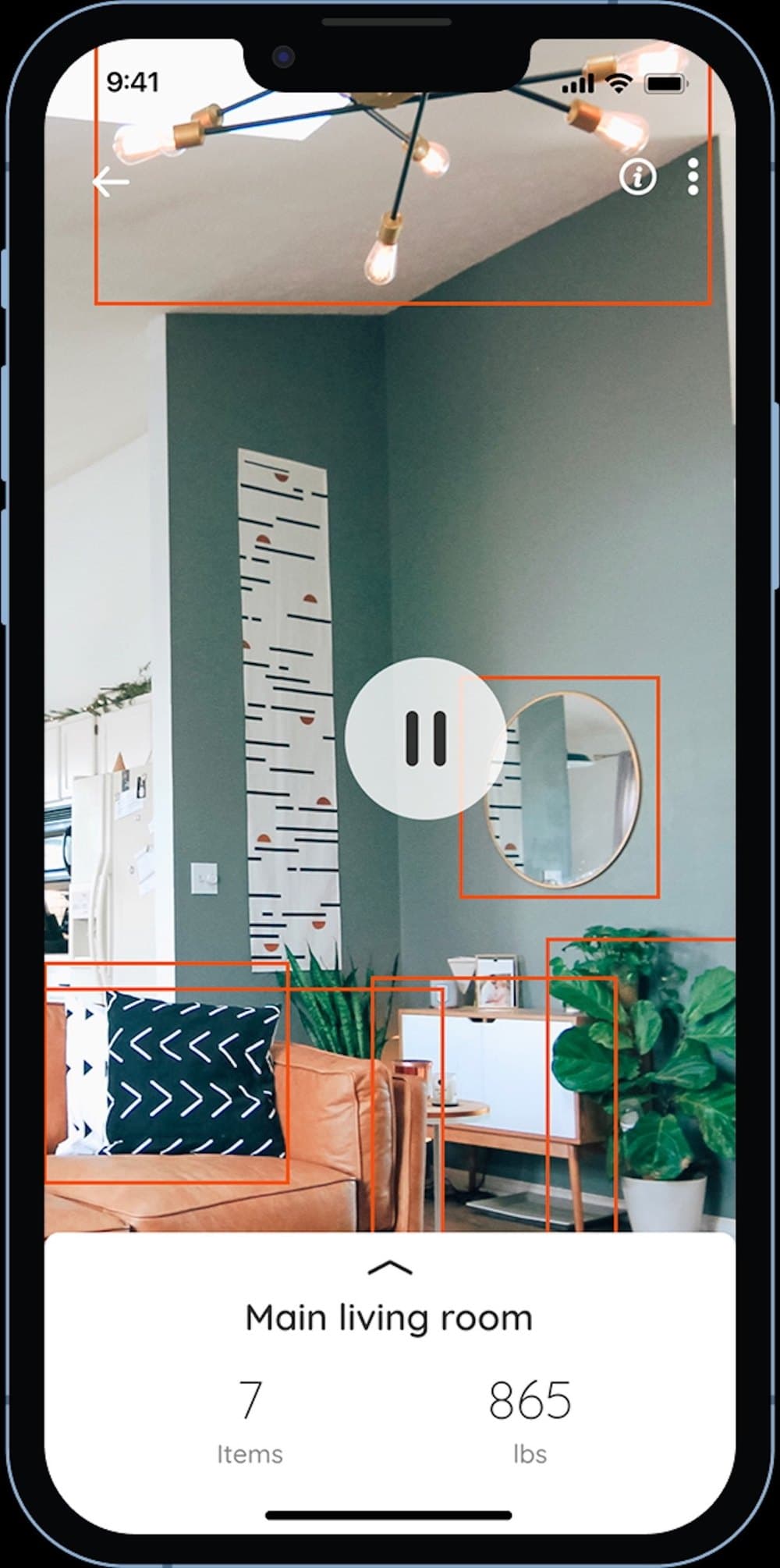
Companies like Agoyu are developing tools that use more data-driven approaches to estimate move costs, reducing the gap between initial quotes and final bills. By leveraging digital inventory tools, virtual walkthroughs, and algorithmic pricing models, these platforms aim to give consumers a clearer, more honest picture of what their move will actually cost before they sign anything.
For consumers, the practical implication is straightforward: the more information you can give a moving company upfront—detailed inventories, accurate measurements, honest descriptions of access challenges—the more accurate your estimate will be. Technology is making it easier to capture and communicate that information without requiring an in-person visit.
What You Can Do Right Now to Control Moving Costs
While the industry continues to evolve, there are practical steps every mover can take today to minimize budget surprises and keep costs as close to the original estimate as possible.
Start by decluttering aggressively before you request any quotes. Every item you sell, donate, or discard is weight and volume that won't appear on your final bill. Then, when gathering estimates, get at least three quotes from reputable companies and make sure each one is based on the same detailed inventory. Ask each company explicitly about their additional fee structure—fuel surcharges, long carry fees, stair charges, and anything else that might apply to your specific situation.
If you're moving long distance, ask whether the estimate is binding or non-binding. A binding estimate guarantees the quoted price regardless of actual weight, while a non-binding estimate can legally increase if your shipment weighs more than projected. Understanding that distinction alone could save you hundreds of dollars.
Finally, build a buffer into your moving budget from the start. Most financial advisors suggest adding 10 to 15 percent to your moving estimate as a contingency fund. Even NASA wishes someone had told them to do that.