
NYC Rent Freeze Passes 7-1: What It Means for Tenants and Landlords
In a vote that sent shockwaves through New York City's already turbulent housing market, the Rent Guidelines Board approved a 0% rent increase on one- and two-year leases, delivering Mayor Zohran Mamdani one of the most significant political victories of his young administration. The landmark 7-1 decision has been celebrated by tenant advocates and renters across the five boroughs, while simultaneously igniting fury among landlords, property owners, and economists who warn the freeze could make the city's housing crisis far worse in the long run.
What the Rent Guidelines Board Actually Decided
The Rent Guidelines Board, the independent body responsible for setting annual rent adjustments for New York City's roughly one million rent-stabilized apartments, voted Thursday night to hold the line at a 0% increase. That means tenants in rent-stabilized units with leases renewing under this new ruling will see no change to their monthly rent — a rare outcome that tenant advocates have fought for over many years.
The vote was 7-1, a decisive margin that left little ambiguity about where the board stood. The sole dissenting vote came from Arpit Gupta, an economist who was appointed to the board in 2022 by then-Mayor Eric Adams. Gupta's opposition aligned with broader concerns voiced by financial and real estate experts in the weeks leading up to the decision.
Mamdani Calls It a Historic Victory
Mayor Zohran Mamdani wasted no time in claiming the win. In a statement released immediately following the vote, Mamdani called the decision "a historic victory for New York City tenants," adding that it represents "the relief that working people across our city deserve." For Mamdani, who has built much of his political brand around housing affordability and tenant protections, the rent freeze is arguably the most tangible policy outcome of his mayoralty so far.
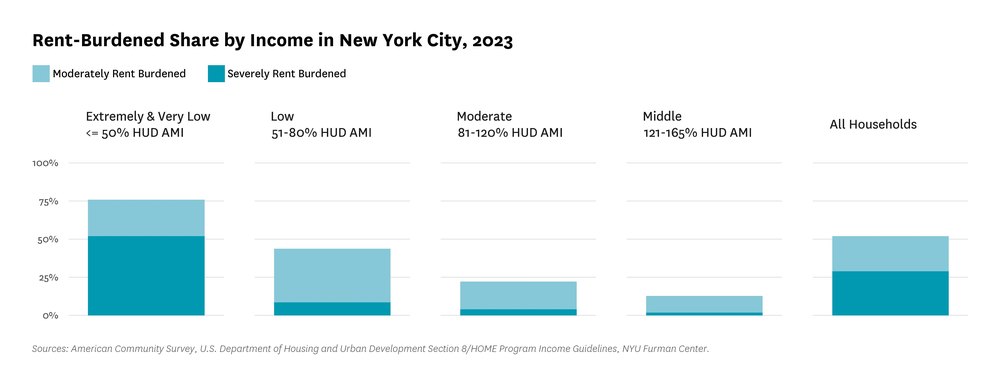
The decision lands at a moment when New York City renters are under extraordinary financial pressure. Median asking rents in the city have remained stubbornly high, vacancy rates are near record lows, and the cost of living continues to squeeze working- and middle-class households. For many tenants in rent-stabilized apartments, a 0% increase is not just a relief — it is a lifeline.
The Moment That Stoked Controversy
While the final vote may have gone 7-1 in favor of the freeze, the meeting itself was anything but calm. It was board member Maksim Wynn's statement that generated some of the evening's most heated moments. Wynn, the owner's representative on the board, began by expressing his primary concern about the financial health of rent-stabilized buildings — only to be largely drowned out by a raucous crowd that chanted, blew whistles, and booed through nearly the entirety of his remarks.
Despite the noise, Wynn's message carried weight. He raised concerns about buildings falling into financial distress — a scenario he argued could ultimately harm the very tenants the freeze is meant to protect. Ultimately, however, Wynn voted in favor of the freeze, making his position one of reluctant agreement rather than outright opposition.
Landlord Backlash Is Swift and Sharp
Not everyone in the room was celebrating. Ann Korchak, president of the Small Property Owners of New York (SPONY) — an organization whose membership is composed largely of owners of 100% rent-stabilized buildings — issued a blunt response immediately after the decision came down.
"This vote was an absolute farce," Korchak said via statement, reflecting the broader mood among property owners who had lobbied against the freeze in the days and weeks preceding the vote.
The frustration among landlords is rooted in practical financial concerns. Building owners argue that the costs of maintaining, insuring, and financing residential properties have risen substantially in recent years, driven by higher insurance premiums, increased labor costs, rising interest rates, and inflation in construction materials. Without the ability to pass any portion of those increased costs on to renters through modest rent adjustments, some landlords say they will be unable to make necessary repairs and upgrades — which could lead to building deterioration and, eventually, fewer units available to rent at all.
Economists Warn of Unintended Consequences
The concerns raised by Wynn and echoed by landlord groups are not limited to the property-owning class. Economists and housing policy experts have long cautioned that aggressive rent control measures, while providing short-term relief to existing tenants, can produce significant unintended consequences over time.
Among the most commonly cited risks are reduced investment in housing maintenance, a slowdown in new housing development, and a tightening of the overall rental market as landlords convert or remove units from the rental pool. Critics of the rent freeze argue that the real solution to New York City's affordability crisis lies in increasing the supply of housing — not in capping the returns that landlords can generate from existing units.
What Happens Next for NYC Renters and Property Owners
The 0% rent increase approved by the Rent Guidelines Board will apply to rent-stabilized leases renewed under the new guidelines. Tenants in those units will not see their monthly bills go up as a direct result of this ruling. However, the longer-term effects of the freeze remain to be seen, and both sides of the debate are already positioning for the political battles ahead.
- Tenants in rent-stabilized apartments will see no rent increase on renewing leases under the new ruling.
- Landlords and property owner groups are expected to challenge the decision and push back through political and legal channels.
- Economists continue to debate whether freezing rents addresses the root causes of New York City's housing affordability crisis or merely delays a deeper reckoning.
- Mayor Mamdani is likely to use this victory as a springboard for further housing policy initiatives.
A City Divided on Housing
The 7-1 vote in favor of the rent freeze encapsulates a broader tension that has defined New York City's housing debate for decades: the conflict between the immediate need to protect existing tenants from unaffordable rent hikes and the longer-term imperative to maintain a healthy, well-funded, and growing housing stock. Mamdani's win is real and significant, but it is unlikely to be the final word. With landlords angered, economists cautious, and a housing shortage that shows no signs of resolving itself quickly, the debate over how best to make New York City affordable for everyone is far from over.
For now, though, millions of rent-stabilized tenants across the five boroughs have at least one less financial worry heading into their next lease renewal — and that, for Mayor Zohran Mamdani, is exactly the point.