
NYC Rent Freeze: A Historic 7-1 Vote Reshapes the City's Housing Landscape
In a move that sent shockwaves through New York City's real estate community, the city's Rent Guidelines Board voted 7-1 on Thursday night to approve a 0% rent increase on both one- and two-year leases. The decision represents one of the most significant housing policy moments in recent memory and hands Mayor Zohran Mamdani what many are calling his largest political victory since taking office. While tenants flooded social media with celebrations and cheers rang out across rent-stabilized neighborhoods, landlords and property owners were quick to voice their frustration and concern.
For millions of New Yorkers living in rent-stabilized apartments, the freeze means one thing above all else: no rent hike this year. In a city where the cost of living has placed extraordinary pressure on working families, that assurance is more than symbolic. But for the owners and operators of the city's aging housing stock, the picture looks considerably darker — and the debate over what this vote really means for New York's long-term housing future is only just beginning.
What the Vote Means for NYC Renters
The Rent Guidelines Board's decision applies to apartments covered under the city's rent stabilization system, which protects a significant portion of New York City's rental housing stock. Under the approved freeze, landlords of one- and two-year lease apartments subject to rent stabilization are prohibited from raising rents during the coming lease cycle. For tenants already struggling with rising grocery prices, healthcare costs, and utility bills, the rent freeze offers a critical lifeline.
Mayor Mamdani did not shy away from framing the vote in sweeping terms. "This is a historic victory for New York City tenants," he said in a statement released shortly after the board's decision. "This is the relief that working people across our city deserve." His comments reflect a broader political posture that has defined his tenure: centering the needs of working-class and low-income New Yorkers in housing policy discussions that have historically been dominated by real estate interests.
The vote passed 7-1, with only Arpit Gupta — an economist appointed to the board in 2022 by then-Mayor Eric Adams — casting a dissenting vote. Every other board member voted in favor of the freeze, signaling a clear ideological alignment with the mayor's housing agenda and a willingness to act boldly despite pushback from the property sector.
A Moment of Drama: Maksim Wynn's Controversial Statement
While the final tally was decisive, the meeting itself was anything but orderly. Among the most talked-about moments of the evening was a statement delivered by Maksim Wynn, the board's owner's representative. Wynn began his remarks by expressing his primary concern for rent-stabilized buildings, but he was almost immediately drowned out by a raucous crowd that chanted, blew whistles, and booed through the near-entirety of his statement.
Despite the hostile atmosphere, Wynn pressed on to raise substantive concerns about the financial health of the city's buildings. He warned of the risk of more housing falling into distress — a scenario that, he argued, would ultimately hurt the very tenants the freeze is designed to protect. In a somewhat surprising turn, Wynn ultimately voted in favor of the freeze, even as he made clear he harbored reservations about its long-term implications. His position illustrated the complicated tensions embedded in this debate: even voices nominally representing property owners are not uniformly opposed to tenant protections when political realities are taken into account.
Landlords and Economists Push Back Hard
Not everyone was willing to split the difference. Ann Korchak, president of the Small Property Owners of New York (SPONY) — an organization whose membership is composed largely of owners of 100% rent-stabilized buildings — issued a scathing response immediately following the vote. "This vote was an absolute farce," she said via statement, signaling the depth of frustration among small property owners who argue they operate on thin margins and depend on incremental rent increases to cover rising maintenance, insurance, and operating costs.
Korchak's reaction was far from isolated. In the days and weeks leading up to the vote, landlords, economists, and housing policy experts sounded repeated alarms about the potential consequences of a rent freeze. Their central argument is one of long-term risk: when property owners cannot generate sufficient revenue from their buildings, deferred maintenance becomes inevitable, buildings fall into disrepair, and the overall quality of the city's housing stock declines. In the most severe cases, buildings can enter financial distress and ultimately leave the rental market altogether — reducing the supply of affordable housing rather than expanding it.
Critics also point to the compounding effect of multiple years of constrained rent increases. While a single-year freeze may seem manageable in isolation, consecutive freezes or below-inflation increases can gradually erode the financial viability of operating rent-stabilized properties, particularly for small landlords who do not have the capital reserves of larger real estate corporations.
The Bigger Picture: NYC's Housing Crisis in Context
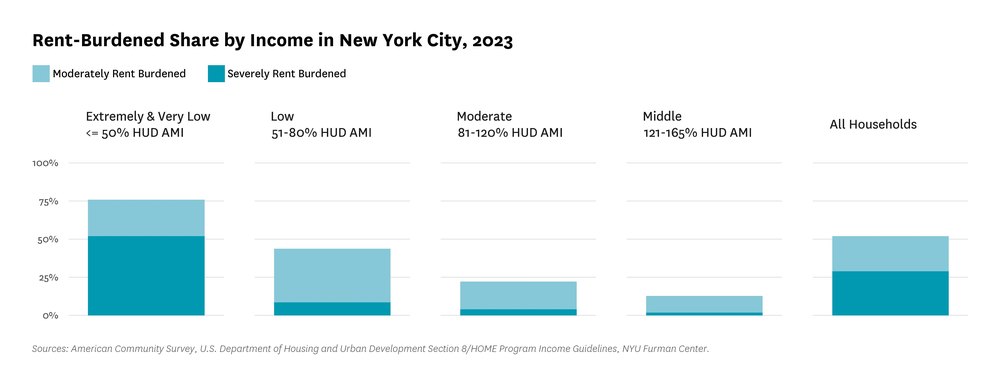
The rent freeze debate cannot be separated from the broader housing crisis gripping New York City. Vacancy rates remain near historic lows, demand for affordable units far outpaces supply, and new construction has struggled to keep pace with population and household formation. Mayor Mamdani has positioned himself as a champion for bold solutions to these structural problems, and the rent freeze is perhaps the clearest expression yet of that ambition.
Yet the tension at the heart of the policy remains unresolved. Tenant advocates argue that rent stabilization is essential to preserving economic diversity in a city at risk of becoming unaffordable for working- and middle-class families. Landlord groups counter that the same policies, taken too far, discourage investment in housing and accelerate the decline of older building stock that much of the city's affordable inventory depends on.
What Comes Next for NYC Renters and Landlords
With the rent freeze now officially approved, attention will shift to implementation and its ripple effects across the city's rental market. Landlords are expected to explore every legal avenue available to them, and advocacy groups on both sides will closely monitor how the freeze affects building conditions, eviction rates, and housing supply in the months ahead.
For Mayor Mamdani, the 7-1 vote is a powerful mandate — but it is also a challenge. If the rent freeze leads to deteriorating building conditions or a reduction in available housing stock, the political calculus could shift quickly. For now, however, the mayor and the millions of New Yorkers in rent-stabilized apartments have reason to mark this moment as a turning point in the city's ongoing struggle over who gets to call New York City home — and at what cost.