
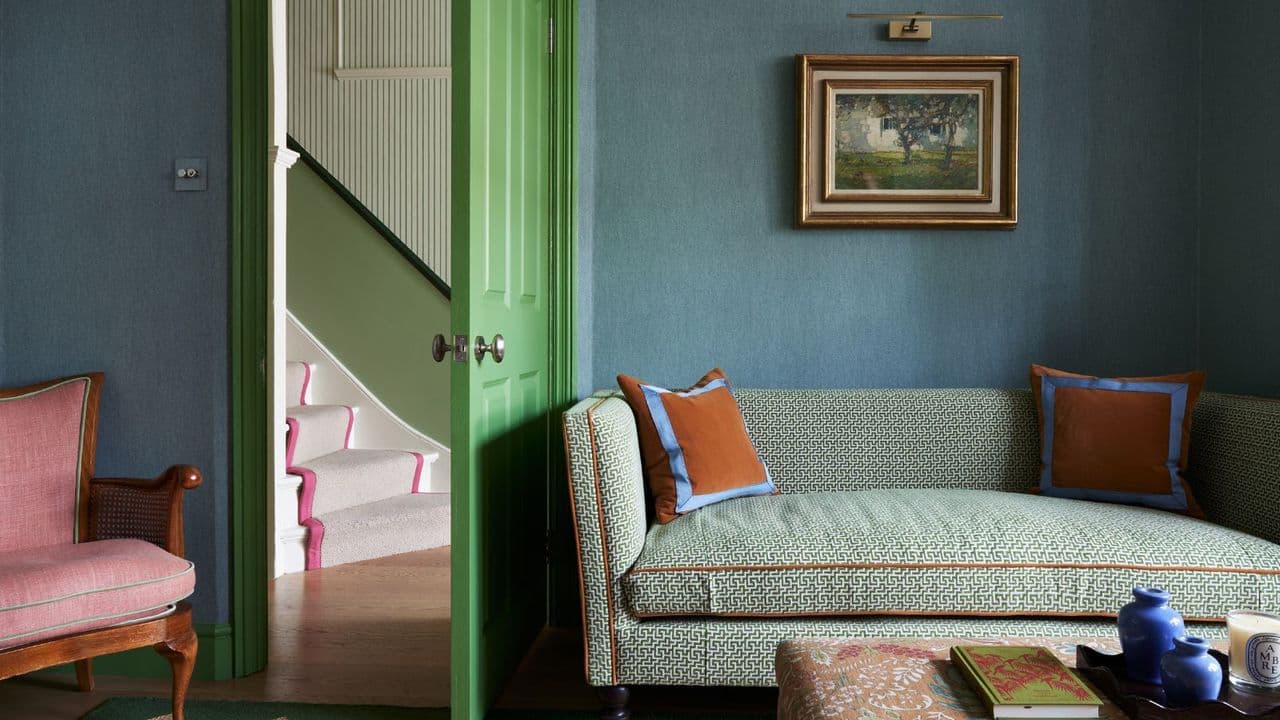
Why Small Design Details Make or Break a Home's Aesthetic
You've invested in quality furniture. You've painted the walls a chic neutral. You've even added a few carefully chosen accessories. Yet something still feels off — the space doesn't quite look as elevated or polished as you imagined. The culprit is almost never the big purchases. It's the small, easily overlooked design details that silently undermine everything else you've done right.
Interior designers know that luxury isn't just about expensive pieces — it's about intentionality and cohesion. Whether you're refreshing a single room or rethinking your entire home, understanding these seven common design pitfalls will help you identify exactly what's holding your space back and, more importantly, how to correct each one.
1. Curtains Hung Too Low or Too Short
Nothing signals "afterthought" in a room quite like curtains that hover just above the window frame or, worse, fail to reach the floor. This is one of the most widespread and most damaging design mistakes homeowners make. Short curtains make ceilings feel low, rooms feel cramped, and windows feel small — even when they're not.
The fix is straightforward: always mount your curtain rod as close to the ceiling as possible, and choose panels that puddle slightly or just kiss the floor. This simple change draws the eye upward, elongates the walls, and instantly lends the room a more refined, intentional look. When shopping for curtains, always measure floor to ceiling, not just the window opening.
2. Mismatched or Generic Hardware
Cabinet knobs, drawer pulls, door handles, and light switch plates are the jewelry of a home. When they're mismatched, builder-grade brass, or simply ignored, they drag down the perceived quality of an otherwise thoughtfully designed kitchen or bathroom. Many homeowners overlook hardware entirely because it feels minor — but designers consider it one of the highest-impact, lowest-cost upgrades available.
Choose a single metal finish and commit to it throughout a room. Brushed gold, matte black, and unlacquered brass are all currently popular for a reason — they add warmth and sophistication. Replacing hardware takes less than an hour and can transform cabinetry that cost thousands into something that looks twice as expensive.
3. Rugs That Are Too Small
A rug that's too small for a room creates the visual effect of a postage stamp floating in a sea of flooring. It makes furniture arrangements look unanchored and the space feel disconnected. This is arguably the single most common decorating mistake in living rooms and dining rooms alike.
As a general rule, all key furniture legs in a seating arrangement should sit on the rug, or at minimum the front legs should. In a dining room, the rug should extend at least 24 inches beyond each side of the table so chairs remain on it even when pulled out. When in doubt, size up. A larger rug always makes a room feel more grounded, more generous, and more deliberate.
4. Poor Lighting Layering
Relying solely on a single overhead light source is one of the fastest ways to make a space feel flat, institutional, and uninviting. Overhead lighting alone creates harsh shadows, washes out color, and removes the warmth that makes a room feel livable. Elevated homes use layered lighting: ambient, task, and accent sources working together.
Introduce floor lamps, table lamps, sconces, and candles alongside your overhead fixtures. Use dimmers wherever possible. The goal is to create pools of warm light at varying heights, which adds depth, intimacy, and visual interest. A room that looks stunning during the day should feel equally beautiful at night — and layered lighting is how designers achieve that.
5. Clutter Masquerading as Decor
There's a meaningful difference between curated styling and accumulated clutter. When every surface is covered — with trinkets, mail, candles, books, and decorative objects all competing for attention — the overall effect becomes visually noisy and exhausting rather than inviting. Elevated interiors embrace negative space.
Edit ruthlessly. For every surface, ask whether each item earns its place visually and emotionally. Group objects in odd numbers, vary heights, and leave generous breathing room between groupings. A few well-chosen objects displayed with intention will always look more sophisticated than a crowded surface, no matter how individually beautiful each piece might be.
6. Ignoring Scale and Proportion
A petite sofa in a grand room, or a towering armoire in a tiny bedroom — scale mismatches create an underlying unease that people feel even if they can't articulate why. Furniture and decor that are out of proportion with the architecture of a space make a room feel amateur, even if the individual pieces are high quality.
Before purchasing furniture, measure your room carefully and sketch a basic floor plan. Consider ceiling height when selecting artwork, mirrors, and lighting fixtures. Oversized art, in particular, is a designer's secret weapon for making a room feel bold and intentional rather than timid and incomplete.
7. Neglecting the Fifth Wall — Your Ceiling
The ceiling is one of the most underutilized surfaces in residential design. Left as plain white afterthought in room after room, it represents a massive missed opportunity. Designers often refer to the ceiling as the fifth wall, and treating it as such can dramatically elevate a space.
Consider painting your ceiling in a soft contrasting tone, adding wallpaper for unexpected drama, installing crown molding, or simply adding a statement light fixture that treats the ceiling as an anchor point rather than a blank void. Even the subtlest ceiling treatment signals the kind of thoughtful attention to detail that separates a truly elevated home from one that's merely furnished.
Final Thoughts: Elevation Is in the Details
The gap between a home that looks polished and one that feels almost-there is rarely a matter of budget. It's a matter of attention. Curtains hung correctly, hardware chosen with intention, rugs sized generously, lighting layered warmly, surfaces edited carefully, proportions respected, and ceilings acknowledged — these seven details cost relatively little to address but deliver an outsized return in how refined and elevated your home ultimately feels. Start with one room, apply these principles systematically, and the transformation will speak for itself.