
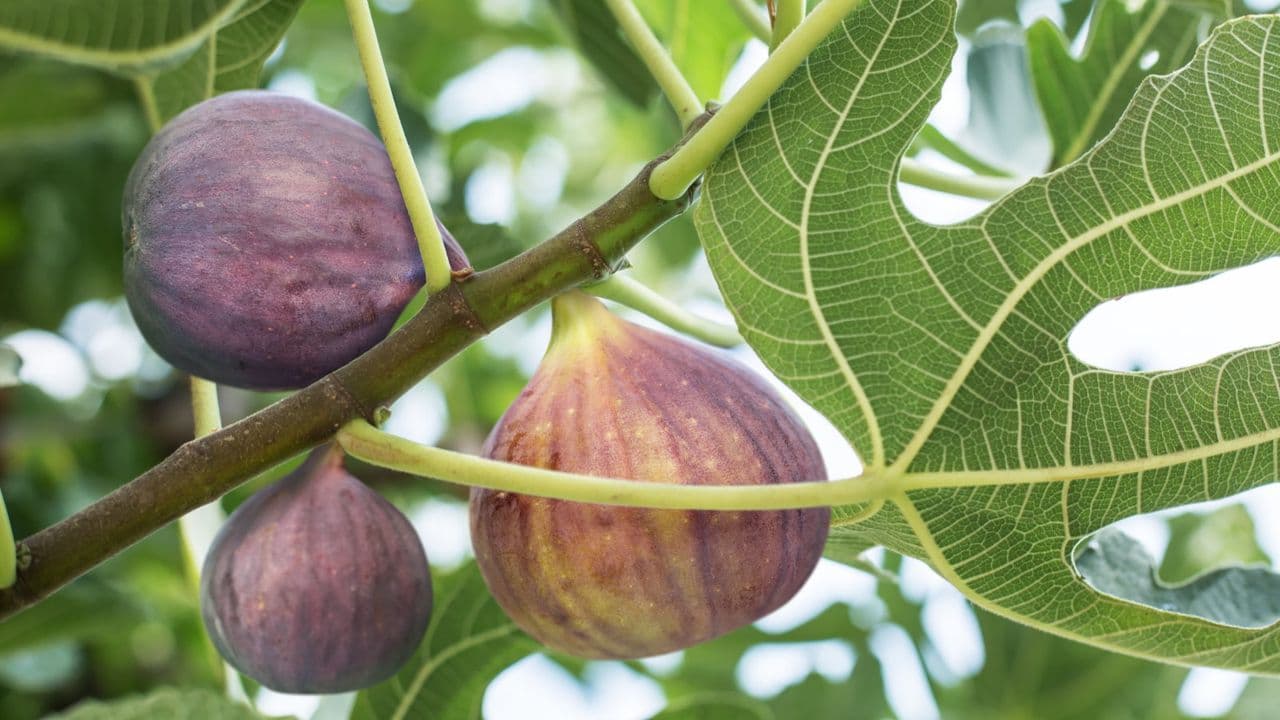
Why Your Fig Tree Isn't Producing as Much Fruit as It Should
Few things are more satisfying than walking into your garden and plucking a plump, sun-warmed fig straight from the branch. Yet for many gardeners, the fig tree standing in their yard never quite lives up to its potential. It looks healthy enough — the leaves are lush and green — but the fruit is sparse, small, or simply never seems to ripen properly. If this sounds familiar, you are not alone, and the good news is that the solution is simpler than you might think.
The secret to a truly fruit-laden fig tree does not lie in expensive fertilizers or complicated techniques. It comes down to three straightforward tasks that, when performed at the right time and in the right way, completely transform your tree's productivity. Master these, and you can look forward to basket after basket of sweet, golden figs all summer long.
Understanding the Fig Tree Before You Begin
Before diving into the three tasks, it helps to understand what a fig tree actually needs to thrive. Figs (Ficus carica) are warm-climate plants that originated in the Middle East and western Asia. They are hardy, drought-tolerant, and remarkably adaptable — which is precisely why so many gardeners assume they will produce abundantly with zero attention. In reality, like any fruit-bearing plant, the fig tree responds dramatically to proper care. It rewards attentive gardeners with prolific fruiting and punishes neglect with mediocre yields.
The fig produces fruit through a fascinating process — in mild climates, trees often yield two crops per year: a smaller early crop called the breba crop in late spring, and the main crop in late summer through early autumn. To maximize both, the tree needs to channel as much energy as possible into fruit development rather than wasting resources on unnecessary growth or fighting off stress. That is exactly what the following three tasks are designed to achieve.
Task 1: Strategic Pruning at the Right Time of Year
Pruning is the single most powerful tool you have for increasing fig production, and it is also the task most often done incorrectly. Many gardeners either skip pruning entirely or trim their fig trees at the wrong time of year, inadvertently cutting off the very branches that would have borne fruit.
The ideal time to prune a fig tree is in late winter or very early spring, just before new growth begins. At this point the tree is still dormant, making it easy to see the branch structure clearly. Your goal during pruning is threefold: remove any dead, diseased, or crossing branches; open up the canopy to allow sunlight and air to penetrate to the interior; and limit the height of the tree to a manageable level so that harvesting is easy and energy is not wasted on excessive vegetative growth.
A well-pruned fig tree directs its energy into fewer, stronger branches, and those branches produce far more fruit than an overcrowded, unpruned tree ever could. As a general rule, aim to remove about 20 to 30 percent of the previous year's growth each season. Do not be timid — figs are resilient plants that bounce back quickly and respond to pruning with vigorous, fruit-bearing new growth.
Task 2: Targeted Fertilization to Fuel Fruit Production
Fig trees are not heavy feeders, but they do benefit significantly from targeted fertilization at key moments in the growing season. The most common mistake is over-fertilizing with nitrogen-rich products, which encourages lush leafy growth at the direct expense of fruit. What the fig tree actually needs is a balanced approach that shifts focus toward fruit development as the season progresses.
Begin in early spring with a balanced, slow-release fertilizer to give the tree a healthy start as it breaks dormancy. Once the tree is actively growing and flower buds begin to form — typically in late spring — switch to a fertilizer with a lower nitrogen content and higher levels of phosphorus and potassium. These two nutrients are critical for flower development, fruit set, and the sugar content of the ripe fig.
Organic options work particularly well for fig trees. Compost, well-rotted manure, and wood ash are all excellent amendments that improve soil structure while delivering nutrients steadily over time. A layer of compost worked gently into the soil around the base of the tree in spring, combined with a potassium-rich feed during the fruiting period, can make a noticeable difference in both the quantity and the quality of your harvest.
Task 3: Consistent and Intelligent Watering
Water management is the third pillar of fig tree success, and it is one that trips up even experienced gardeners. Figs are drought-tolerant once established, but inconsistent watering during the critical fruit development phase causes a host of problems, including fruit drop, split figs, and reduced sweetness.
The key is deep, infrequent watering rather than shallow, frequent irrigation. Water deeply once or twice a week during dry periods, allowing the moisture to penetrate well into the root zone. This encourages roots to grow downward in search of water, creating a stronger, more resilient tree.
The Role of Mulching in Water Retention
One of the most effective and underused strategies for keeping fig trees consistently hydrated is mulching. Apply a generous layer of organic mulch — straw, wood chips, or shredded leaves work beautifully — around the base of the tree, keeping it a few inches away from the trunk itself. Mulch conserves soil moisture, regulates soil temperature, suppresses competing weeds, and breaks down over time to enrich the soil. It is, in many ways, like giving your fig tree a slow-release water and nutrition system all in one.
Putting It All Together for a Summer Full of Sweet Figs
The beauty of these three tasks is in their simplicity. Prune with confidence in late winter to shape the tree and stimulate productive new growth. Fertilize intelligently, beginning with balance in spring and shifting toward fruit-supportive nutrients as the season progresses. Water consistently and deeply, and lock that moisture in with a thick layer of mulch.
None of these tasks requires specialized equipment, professional knowledge, or hours of weekend labor. Yet together, they create exactly the conditions a fig tree needs to pour its energy into what you actually want: an abundance of sweet, luscious fruit that ripens gradually through summer and into early autumn, giving you weeks of fresh eating, preserving, and sharing with anyone lucky enough to be your neighbor.
Start with these three tasks this season, and do not be surprised if your once-modest fig tree becomes the most talked-about plant in your garden. A fruit-laden fig tree is not a matter of luck — it is the natural result of giving the tree exactly what it needs, at exactly the right moment.