
Why Homeowners Need a Locksmith More Than You Think
Most people only think about calling a locksmith when they're standing outside their front door at midnight, keys nowhere to be found. But the reality is that professional locksmiths offer a wide range of services that go far beyond emergency lockouts. Whether you're moving into a new home, upgrading your security system, or dealing with a broken lock, a licensed locksmith can be one of the most valuable service professionals you call all year.
Understanding the most common reasons homeowners call a locksmith — and what to expect during each visit — helps you act quickly, budget appropriately, and choose the right professional for the job. Here are five situations where picking up the phone and calling a locksmith is absolutely the right move.
1. Being Locked Out of Your Home
The classic scenario. You step outside to grab the mail, the door swings shut behind you, and your keys are sitting on the kitchen counter. Or perhaps you return home late at night after a long trip only to discover your key won't turn in the lock. Home lockouts are by far the most common reason people call a locksmith, and they can happen to absolutely anyone.
When you call a locksmith for a lockout, expect a response time that typically ranges from 20 to 45 minutes depending on your location and time of day. A professional locksmith will use specialized tools to pick or bypass the lock without damaging your door or frame. In most cases, the process takes only a few minutes once they arrive.
Before calling, confirm you're using a licensed and insured locksmith by checking reviews and verifying credentials. Be prepared to show proof of residency — a piece of mail or a photo ID with your address — since reputable locksmiths will always verify that you have the right to enter the property.
What to Expect
- Arrival within 20–45 minutes in most urban areas
- Non-destructive entry using lock picks or bypass tools
- Proof of identity or residency may be required
- Cost typically ranges from $75 to $150 for standard residential lockouts
2. Rekeying Locks After Moving Into a New Home
Buying a new home is exciting, but it also comes with an invisible security risk most new homeowners overlook: you have no idea how many copies of your keys are floating around. The previous owners may have given copies to neighbors, housekeepers, family members, contractors, or real estate agents. Any one of those keys still works on your new locks.
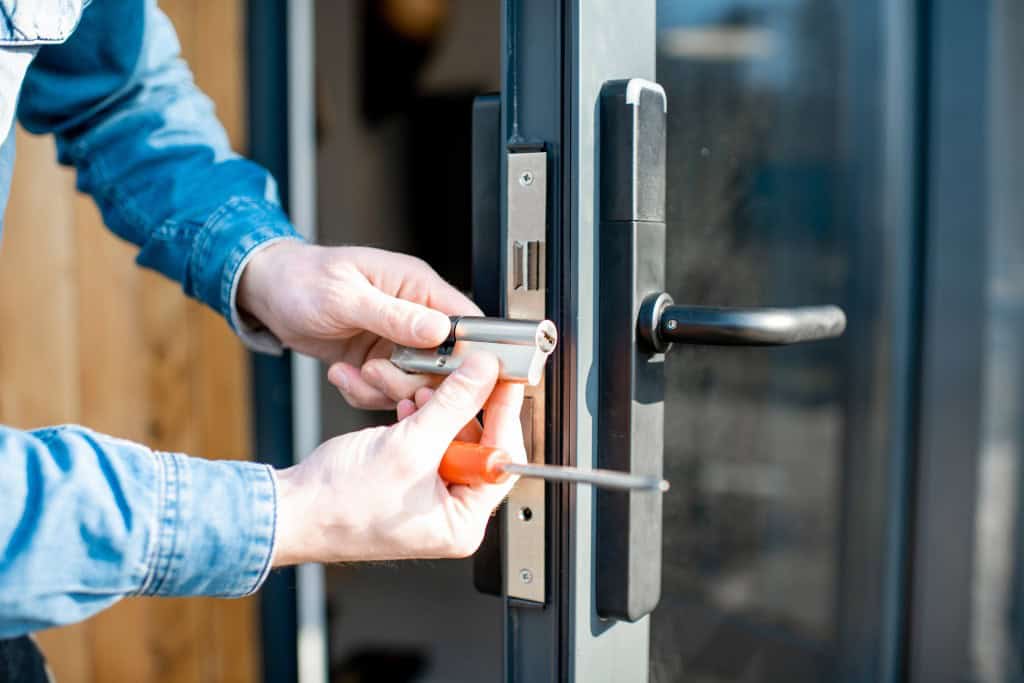
Rekeying is the solution. Unlike replacing an entire lock, rekeying involves a locksmith adjusting the internal pins of your existing lock cylinders so that the old keys no longer work. New keys are then cut to match the updated configuration. It's faster and far more affordable than full lock replacement, making it the preferred choice for most new homeowners.
Security experts consistently recommend rekeying all exterior locks within the first week of moving into any new home. This single, affordable step gives you complete control over who has access to your property from day one.
What to Expect
- A locksmith can typically rekey all exterior locks in one to two hours
- Cost is usually $20 to $50 per lock cylinder, plus a service call fee
- You'll receive a set of freshly cut keys that match the updated pins
- No damage to existing hardware — the locks themselves remain in place
3. Dealing With Broken or Damaged Locks
Locks wear out over time. Years of daily use, exposure to weather, and the occasional forceful slam can all cause a lock to malfunction. If your key is difficult to turn, the deadbolt sticks, or the lock suddenly stops latching altogether, you're dealing with a damaged lock that needs professional attention right away.
A broken lock isn't just an inconvenience — it's a genuine security vulnerability. A lock that doesn't engage properly offers little resistance to an intruder. A locksmith can assess whether the lock can be repaired or needs to be fully replaced, and they'll have the appropriate hardware on hand to complete the job during the same visit in most cases.
What to Expect
- Thorough diagnosis of the lock mechanism before any work begins
- Minor repairs such as lubrication, realignment, or pin replacement for simple issues
- Full lock replacement if the hardware is beyond repair
- Costs vary widely based on lock type, typically $100 to $300 for replacement
4. Lost or Stolen Keys
Losing your keys is frustrating. Having them stolen is frightening. In either case, the smart response is the same: contact a locksmith immediately rather than hoping for the best. If your keys are simply lost somewhere in your home or car, you may be tempted to wait and see if they turn up. But if there's any chance your keys left your possession outside your home — dropped at a store, left at a restaurant, or taken during a theft — you should treat it as a security emergency.
The most effective solution is to have your locks rekeyed or replaced as soon as possible. A locksmith can also cut new duplicate keys once the lock situation is resolved, giving you fresh spares to distribute to trusted family members without the old vulnerability.
5. Installing or Upgrading to Smart Locks and High-Security Systems
The final reason — and an increasingly popular one — is the proactive upgrade. As smart home technology becomes more accessible and affordable, a growing number of homeowners are replacing traditional key-and-deadbolt setups with smart locks, keypad entry systems, and high-security deadbolts that offer significantly better protection against lock picking and forced entry.
While some smart locks are marketed as DIY-friendly, professional installation ensures that the lock is properly aligned, fully functional, and integrated correctly with your existing door hardware and smart home ecosystem. A licensed locksmith can also advise you on the best lock grade for your specific door type and security needs.
What to Expect
- A consultation to assess your current door hardware and security gaps
- Professional installation and calibration of smart or high-security locks
- Guidance on features like auto-lock, remote access, and guest codes
- Installation costs typically range from $100 to $300 depending on lock complexity
How to Choose the Right Locksmith
Regardless of why you're calling, choosing a reputable locksmith matters. Look for a professional who is licensed in your state, carries liability insurance, and has verifiable reviews on platforms like Google or the Better Business Bureau. Be cautious of locksmiths who quote an unusually low price over the phone only to charge dramatically more upon arrival — a common scam known as bait-and-switch pricing.
Whenever possible, identify a trusted local locksmith before an emergency arises. Save their number in your phone so you're not scrambling to find one at two in the morning when you're standing on your doorstep in the rain.
Final Thoughts
Locksmiths are far more than emergency responders for lockouts. They are trained security professionals who help homeowners protect their properties at every stage — from the day they move in to the day they upgrade to the latest smart security technology. Whether you need a simple rekey, a broken lock replaced, or a whole-home security assessment, knowing what to expect from a locksmith visit helps you make confident, informed decisions that keep your home and family safer.