
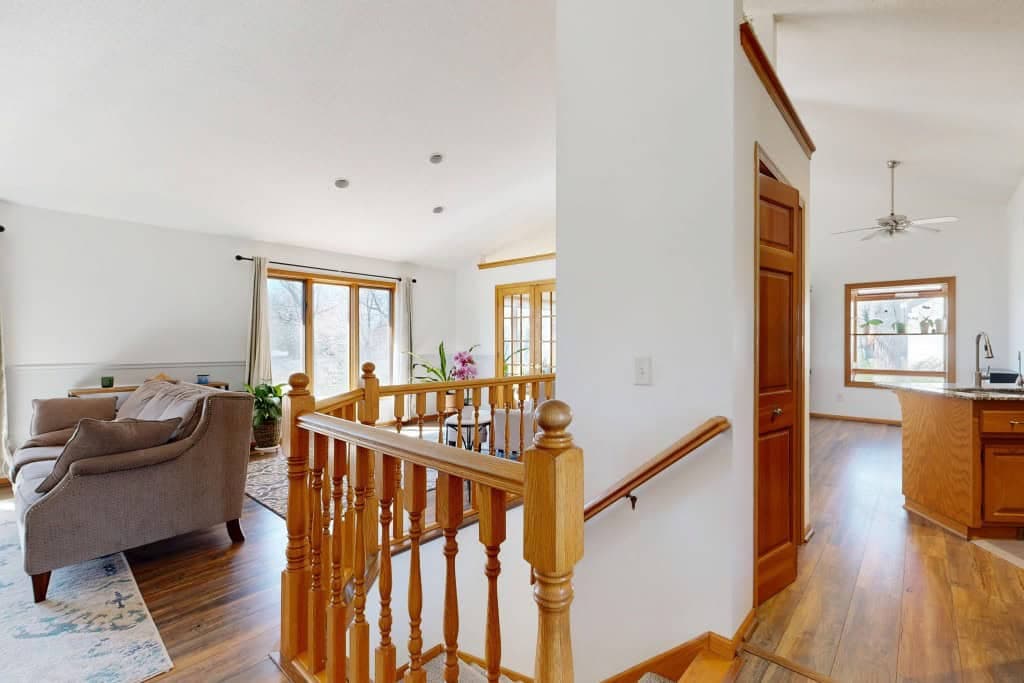
Why Home Listing Photos Deserve a Closer Look
Online listings are often the very first step in the homebuying process, and photos can shape a buyer's impression within seconds. A beautifully staged kitchen or a sunlit living room might make you eager to schedule a showing — but savvy buyers know there's more to those images than meets the eye. Professional photography can highlight a home's best features, but it can also inadvertently reveal important details about its condition, layout, and upkeep.
Knowing what to look for when viewing house photos can save you time, money, and heartache. Red flags buried in listing images may signal deferred maintenance, structural problems, or a seller trying to obscure unflattering aspects of the property. Before you fall in love with a home online, take a few extra minutes to analyze the photos with a critical eye. Here's what to watch out for.
Missing or Noticeably Absent Rooms
One of the most telling red flags in home listing photos is what isn't there. A well-prepared listing typically includes photos of every major room — kitchen, living room, primary bedroom, bathrooms, and often the laundry area. If a listing conspicuously skips a room, that absence is worth noting.
A missing bathroom photo might hint at outdated fixtures, mold, or water damage. No basement photos could suggest flooding, poor finishes, or structural concerns. If the listing only shows the most visually appealing corners of the home and glosses over entire areas, ask yourself why — and make sure those spaces are on your list to inspect during an in-person visit.
Photos That Are Too Dark or Too Heavily Edited
Lighting in listing photos can be both an art and a deception. Extremely dark photos may indicate that a room has limited natural light or that the photographer was trying to obscure cosmetic issues. On the other end of the spectrum, heavily brightened or HDR-processed images can wash out details like wall stains, ceiling discoloration, or uneven flooring.
Look for photos where the lighting seems dramatically inconsistent from room to room, or where walls appear artificially white. If the images look more like digital paintings than real photographs, the home may not look anything like that in person. Natural, evenly lit photos are generally the most honest representation of a property.
Evidence of Water Damage or Moisture Issues
Water damage is one of the most expensive problems a homeowner can face, and listing photos sometimes capture evidence of it unintentionally — or sellers hope buyers won't notice. When scanning house photos, keep an eye out for:
- Stained or discolored ceiling tiles or drywall
- Warped or buckled flooring, especially in kitchens and bathrooms
- Dark spots along baseboards or around window frames
- Visible mold or mildew, particularly in bathrooms and basements
- Peeling or bubbling paint on walls or ceilings
Even a small water stain can point to a larger, ongoing issue. If you spot any of these signs in the photos, it's important to ask the seller about the history of water intrusion and to prioritize a thorough home inspection.
Overly Strategic Staging and Unusual Furniture Placement
Staging is a standard and legitimate part of selling a home, but there's a difference between thoughtful presentation and strategic concealment. Pay attention to furniture or rugs that seem oddly placed — they may be covering damaged flooring, stained carpet, or even holes in the wall. A large bookshelf pushed awkwardly against a wall, or a rug in an unexpected location, can sometimes be hiding cosmetic or structural issues underneath.
Similarly, rooms that appear extremely cluttered or crammed with oversized furniture may be using those items to distract from the room's actual dimensions. Wide-angle lenses are commonly used in real estate photography and can make rooms appear significantly larger than they are. Always cross-reference the square footage listed and ask for room measurements if you're serious about a property.
Deferred Maintenance Visible from the Outside
Exterior shots tell a story too. Peeling paint, cracked driveways, sagging gutters, missing roof shingles, or overgrown landscaping can all point to a homeowner who has delayed routine upkeep. While none of these are necessarily dealbreakers, they're important signals that the home may require significant investment after purchase.
Also take note of the condition of the roof in any aerial or exterior photos. An aging or visibly worn roof is a major expense — replacements can easily cost $10,000 or more depending on the size and material. If the roof looks questionable in photos, it should be a priority item for your home inspector.
Few Photos or Low-Quality Images
In today's market, most serious sellers invest in professional photography. A listing with only two or three blurry, poorly lit photos may indicate a seller who isn't motivated, a property that doesn't photograph well, or a home with conditions the seller would rather not document. While it's not always the case, a sparse photo gallery is a reason to ask more questions before committing your time to a tour.
What to Do When You Spot Red Flags
Noticing red flags in listing photos doesn't necessarily mean you should cross a property off your list. It means you should go into any showing with your eyes wide open and your questions ready. Here's how to handle it:
- Ask your real estate agent to request additional photos or video walkthroughs before visiting in person.
- Request the seller's disclosure documents, which legally require sellers to reveal known issues in most states.
- Hire a licensed home inspector to evaluate the property thoroughly before closing.
- Bring a trusted contractor or experienced friend to the showing if you spot significant concerns.
Real estate listing photos are marketing materials first and foremost, but they're also a window into a home's true condition. Taking the time to analyze them carefully — rather than simply scrolling for aesthetics — puts you in a much stronger position as a buyer. The more informed you are before you walk through the door, the better equipped you'll be to make a smart, confident offer.