
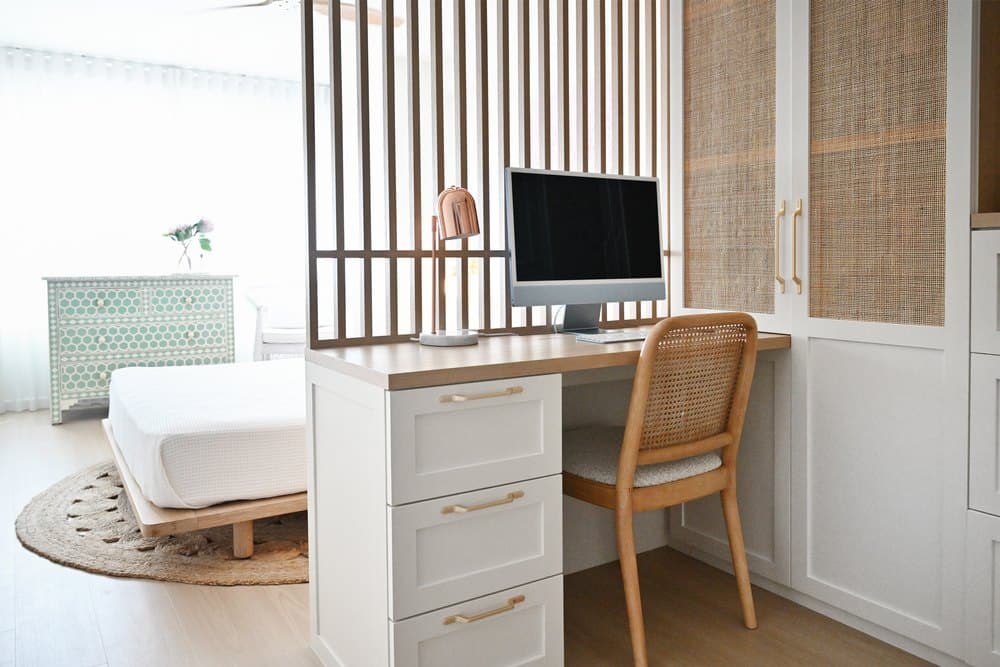
The Remote Work Dream: Not So Perfect After All
When the pandemic forced millions of Americans into their spare bedrooms and kitchen tables, remote work quickly became the new normal. Workers traded morning commutes for an extra hour of sleep, swapped office dress codes for comfortable loungewear, and redesigned their lives around the convenience of the home office. For a time, it felt like a permanent upgrade to the American work experience.
But years later, a more complicated picture is emerging. A landmark new study published in the prestigious journal Science reveals that remote work is strongly associated with increased isolation, mental distress, and depression—even among workers who say they actually prefer working from home. As the researchers pointedly note, "Workers may not realize the costs of remote work for their well-being, which may take time to accumulate."
That quiet, creeping cost is now prompting a fresh conversation: Is it time to rethink the home office entirely? And with return-to-office mandates accelerating across the country, could letting go of your dedicated workspace actually make you both happier and financially better off?
How Remote Work Reshaped American Homes and Lives
The impact of remote work on American housing was nothing short of seismic. According to a 2020 Realtor.com® survey, half of remote workers reported working from a dedicated home office, while the other half made do with kitchen tables, couches, and whatever quiet corner they could find. More striking, 63 percent of respondents said they planned to buy a new home specifically because of their ability to work remotely.
The ripple effects were enormous. People left expensive urban centers in search of more square footage. Suburbs and smaller cities experienced unexpected population booms. Renovation projects skyrocketed as homeowners converted guest rooms, basements, and garages into professional-grade workspaces. Millions relocated entirely, following the promise of more space, lower costs of living, and the freedom that remote work seemed to guarantee.
What began as a temporary pandemic measure quickly became a lifestyle—one that millions of Americans built their housing decisions, financial commitments, and daily routines around.
The Hidden Mental Health Cost of Working From Home
Despite the obvious perks—no commute, flexible scheduling, and the comfort of home—remote work carries a hidden price tag that researchers are only now fully quantifying. The Science study findings are striking precisely because they challenge the narrative that remote workers are universally thriving.
Social isolation is one of the most significant culprits. In a traditional office environment, workers benefit from spontaneous conversations, informal collaboration, shared lunches, and the subtle but meaningful sense of community that comes from simply being around other people. Remote work quietly strips away these interactions, often without workers consciously noticing the loss until it accumulates into something heavier.
The result, according to researchers, is a measurable increase in feelings of loneliness, anxiety, and depression. This is not limited to introverts who struggle socially—it affects a broad cross-section of remote workers, including those who genuinely believe they prefer working from home. The mind, it turns out, needs human connection in ways that video calls and Slack messages simply cannot replicate.
Return-to-Office Mandates: A Forced Reset That Might Actually Help
Major employers across industries are now rolling out return-to-office mandates with increasing urgency. While many workers have pushed back against these policies, the emerging mental health data suggests that returning to in-person work may offer genuine wellbeing benefits that remote arrangements quietly erode over time.
Commuting, long maligned as a daily inconvenience, may actually serve an important psychological function. The physical transition between home and work creates a mental boundary that helps people shift between different modes of thinking and being. Without it, the lines between professional and personal life blur in ways that fuel stress and burnout.
Returning to the office also restores access to the social infrastructure that workplaces naturally provide—mentorship, camaraderie, spontaneous problem-solving, and the simple act of sharing physical space with colleagues who share your goals. These are not small things. They are foundational to human connection and professional satisfaction.
Convert Your Home Office: Unlock Hidden Value in Your Home
For homeowners navigating a return to the office, the shift raises a practical and potentially lucrative question: What do you do with all that dedicated workspace? If you're no longer working from home full-time, your home office may be prime real estate just waiting to be repurposed.
Converting a home office into a more functional living space can meaningfully increase both your quality of life and your property's market value. Here are some high-impact conversion ideas worth considering:
- Guest bedroom: Adding a proper sleeping space increases your home's bedroom count, which is one of the most influential factors in determining property value and resale appeal.
- Nursery or children's room: Growing families can put former office space to immediate use, improving daily functionality without costly additions.
- Home gym: Health-conscious buyers increasingly prioritize dedicated fitness spaces, making this a smart investment for resale.
- Creative studio or hobby room: A well-designed multipurpose room that highlights flexibility appeals to a wide range of buyers.
- Rental income space: In some markets, converting a home office into a rentable room or accessory dwelling unit can generate meaningful monthly income.
Rethinking What "Home" Really Means
The pandemic era forced a rapid, often unplanned reimagining of the American home. Spaces were carved out of necessity, not always out of desire. Now, with the remote work experiment showing real cracks in its promise, homeowners have an opportunity to be more intentional about how they use every square foot they own.
If the science is telling us that remote work quietly chips away at our mental health over time, and if return-to-office policies are putting dedicated home workspaces back into question, then the home office may have already served its purpose. Converting it into something that genuinely enhances your daily life—or your home's financial value—is not a retreat. It's a smart, forward-looking decision.
The commute you once dreaded may turn out to be the daily reset you didn't know you needed. And the spare room you turned into a workspace might just become the most valuable room in your house once you let it become something else entirely.