
Picture It: A Housing Crisis That Demands Creative Solutions
Forty years ago, the idea of four older women sharing a home in Miami felt like the setup to a beloved sitcom. Today, that same concept—seniors living together as roommates under one roof—is quickly becoming one of America's most practical responses to a deepening housing affordability crisis.
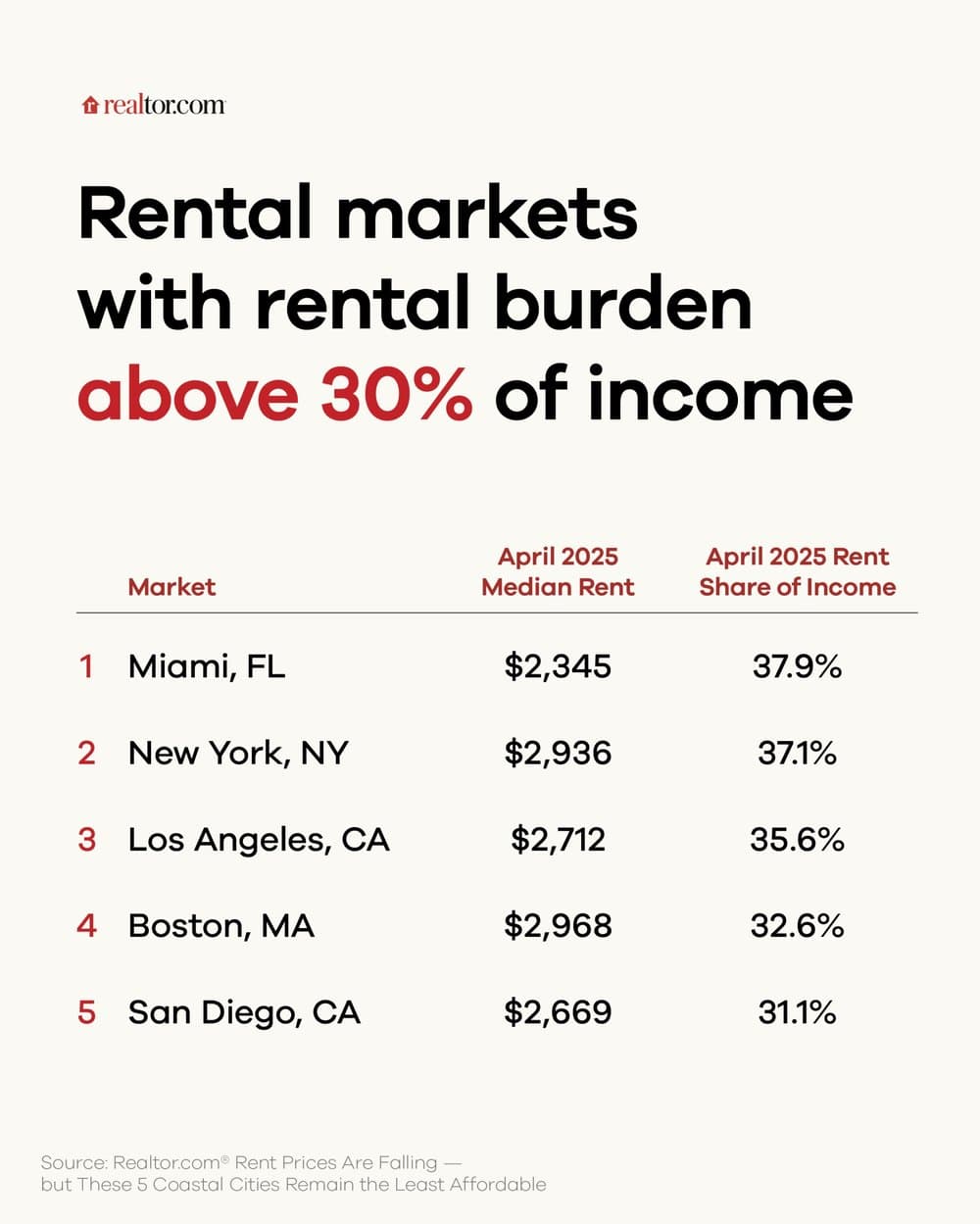
With rents climbing to historic highs in cities across the country and homeownership costs like property taxes and insurance premiums continuing to skyrocket, millions of Americans are being squeezed from both sides of the housing market. For older adults on fixed incomes, that pressure is especially acute. Enter the so-called "Golden Girls" housing model: a living arrangement where unrelated adults, often seniors, share a home by renting individual rooms from a homeowner.
It sounds simple. It is simple. And it works. So why are some lawmakers working to stop it?
What Is the Golden Girls Housing Model?
The Golden Girls housing model—sometimes called home-sharing or single-room occupancy (SRO) housing—is exactly what it sounds like. A homeowner rents out one or more spare rooms in their home to long-term tenants. Both parties benefit: the homeowner generates rental income that helps offset rising costs, while the tenant gains affordable, stable housing without the burden of signing an entire lease on their own.
This arrangement is particularly attractive for seniors who may own a home that feels too large after children have moved out, but who still need financial support to maintain it. On the flip side, solo renters—especially older adults living alone—gain not just a roof over their heads, but also companionship and a built-in sense of community.
Economists and housing advocates have increasingly pointed to home-sharing as a low-cost, high-impact tool for easing local housing shortages without requiring new construction or major government investment. Several states have already recognized this and moved to formalize the practice through legislation.
States Leading the Way on Home-Sharing Laws
Iowa, Colorado, Oregon, and Washington have all enacted laws that explicitly allow unrelated adults to live together by renting individual rooms within a private home. These states have updated their zoning codes and housing regulations to carve out legal space for SRO-style arrangements, giving homeowners and tenants alike the legal clarity they need to enter into such agreements confidently.
The results in these states have been encouraging. Home-sharing programs have helped match seniors who have extra space with renters who need affordable housing, reducing isolation among older adults while simultaneously putting a small but meaningful dent in local housing shortages. Advocates argue that this model is scalable, equitable, and urgently needed everywhere—not just in the handful of states that have embraced it so far.
Connecticut's Golden Girls Bill: A Step Forward, Then a Stumble
Connecticut appeared ready to join the ranks of forward-thinking states when its own version of home-sharing legislation—quickly nicknamed the "Golden Girls bill"—sailed through the state Senate earlier this year. The bill would have allowed homeowners across Connecticut to legally rent individual rooms in their homes to long-term tenants, opening up thousands of potential housing units without a single new structure being built.
The Senate vote was decisive, and supporters celebrated what seemed like an inevitable and commonsense victory for affordable housing. But when the bill moved to the state House, momentum stalled. Lawmakers in the lower chamber raised concerns about how widespread home-sharing might affect neighborhoods, community character, and existing zoning frameworks—concerns that, while not unfounded, struck many housing advocates as obstacles being placed in front of a desperately needed solution.
Connecticut's experience reflects a broader tension playing out in state legislatures across the country: the conflict between communities that want to preserve the status quo and the urgent, undeniable need to create more affordable housing options for an aging population.
Why Are Some Lawmakers Pushing Back?
Opposition to home-sharing legislation tends to cluster around a few key concerns. Some lawmakers worry about the impact on single-family neighborhoods, arguing that increasing the density of occupants in residential areas could strain parking, utilities, and community resources. Others raise questions about tenant protections and whether the existing legal frameworks are equipped to handle disputes between homeowners and room-renters.
There are also concerns—some legitimate, some less so—about the line between home-sharing and short-term rental platforms like Airbnb. Critics worry that loosening SRO regulations could inadvertently open the door to commercial rental activity that changes the fabric of residential neighborhoods. Supporters of the Golden Girls model counter that long-term home-sharing arrangements are fundamentally different from tourist-focused short-term rentals, and that clear legislative language can easily distinguish between the two.
The Case for Embracing Senior Home-Sharing
The numbers make a compelling case on their own. America's senior population is growing rapidly, and many older adults are struggling to age in place as housing costs consume an ever-larger share of fixed retirement incomes. At the same time, a significant percentage of senior homeowners are sitting on underutilized space—spare bedrooms that could house another person while generating income for the homeowner.
Home-sharing programs that connect these two groups have shown measurable success in cities and states where they operate. Beyond the financial benefits, research consistently shows that social connection is one of the most powerful predictors of health and longevity among older adults. Living with a housemate reduces isolation, encourages daily interaction, and can even decrease reliance on formal care services.
What Needs to Happen Next
For the Golden Girls housing model to reach its full potential, state and local governments need to take several concrete steps. Zoning codes must be updated to clearly permit long-term SRO arrangements in residential areas. Tenant and homeowner rights must be defined to ensure both parties have legal recourse in disputes. And public awareness campaigns are needed to connect willing homeowners with prospective tenants through trusted home-sharing matching programs.
The states that have already passed home-sharing legislation offer a roadmap. Their experiences demonstrate that these laws can be implemented without upending neighborhood character or creating new housing problems—and that the benefits, both financial and social, are real and measurable.
The Bottom Line
America's housing crisis is not going to be solved by any single policy or program. But the Golden Girls model—affordable, human-scale, and grounded in community—deserves a serious place in the conversation. For seniors who need income, for renters who need space, and for communities that need relief from housing pressure, home-sharing is not a quirky throwback to a 1980s sitcom. It is a practical, proven, and urgently needed solution. Lawmakers who stand in its way should be prepared to explain why the status quo is worth protecting more than the people it is failing.